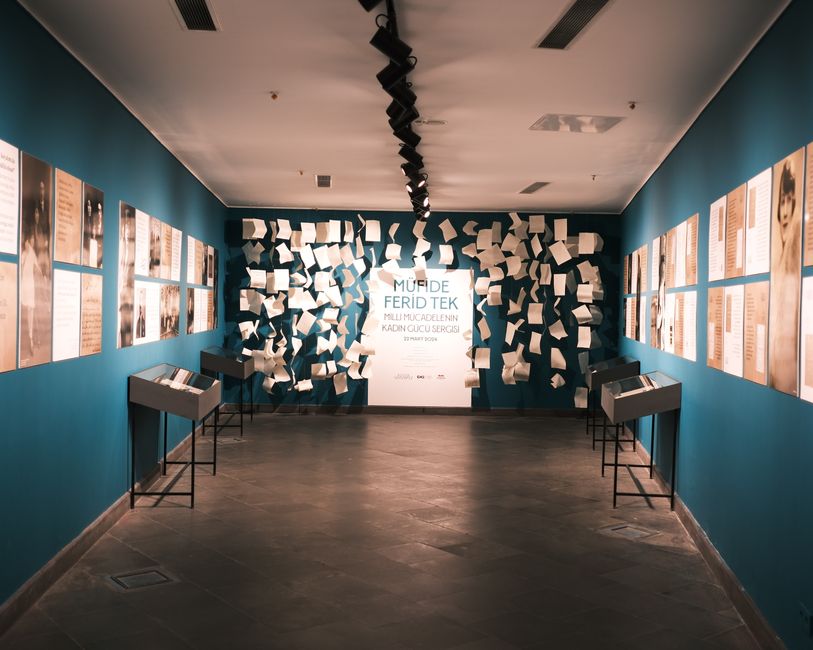
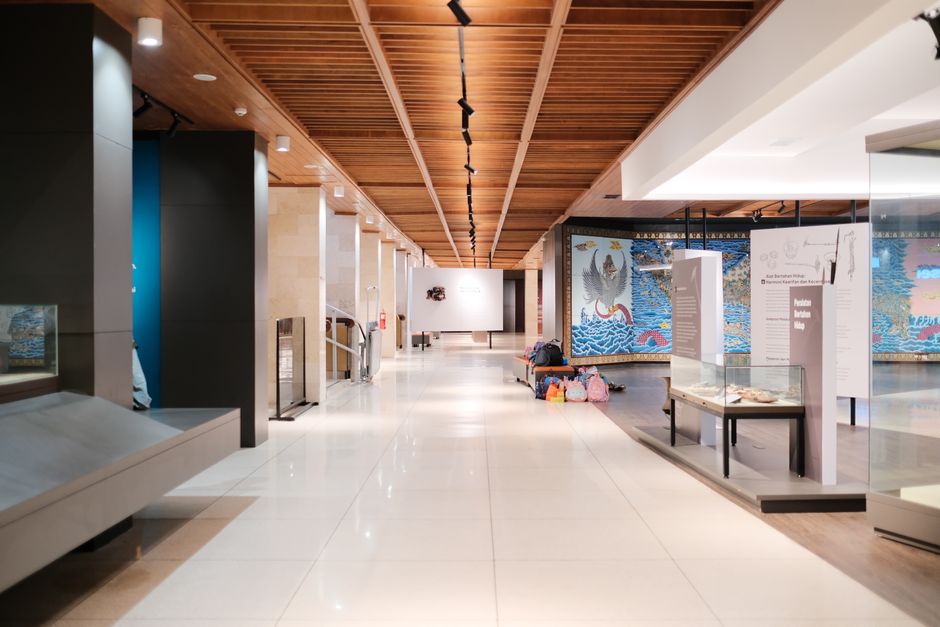
Miami's nightlife landscape is shifting. Not toward bigger bottle service or flashier rooftops, but inward—into converted warehouses, artist-run galleries, and intimate performance spaces where the door staff often know your name because they're the same people who hung the work on the walls.
The change reflects a broader cultural realignment happening across the city. After years of chasing tourism dollars through massive clubs and hotels, a growing network of independent operators and artists is building something different: venues designed around community rather than capacity. The movement matters now because it's happening as Miami's population is changing. The median age in Miami-Dade County dropped to 39.2 years in 2024, skewing younger than it was a decade ago, and that demographic shift is reshaping what people actually want to do on a Friday night.
Walk through Wynwood these days and you'll see the bones of this shift. The neighborhood's galleries—many of them artist-owned collectives rather than commercial spaces—host live performances three to five nights a week. Spaces like Wynwood Walls have evolved beyond street art tourism; the district now functions as an unofficial creative district with galleries tucked into side streets off NW 25th Street. But the real action is happening in parallel. The Allapattah neighborhood, two miles west of downtown Miami, has become the movement's secondary hub. A cluster of artist studios on SW 8th Street opened their doors to public programming only two years ago. Now there are monthly art walks drawing 400 to 600 people.
Where the Money Isn't Going
The numbers tell part of the story. Nightclub revenues across Miami-Dade dropped 12 percent between 2022 and 2024, according to data from the Miami Downtown Development Authority. Meanwhile, attendance at artist-run events and independent gallery nights increased 34 percent during the same period. That's not a massive shift in absolute terms—we're talking roughly $2.1 million in new spending on independent venues against a $17.8 million nightclub market—but the trajectory matters. Young professionals are voting with their wallets, choosing $15 entry fees and local DJs over $150 minimums at South Beach megaclubs.
The operators driving this shift tend to be artists themselves. Most don't have MBAs. Many work day jobs in design, music production, or hospitality to fund their spaces. The economics are tight. A typical gallery-slash-performance-venue in Wynwood or Allapattah runs on 40 to 60 percent margins after rent, licensing, and insurance. That's half what a traditional nightclub makes. But the operators aren't chasing unicorn growth. They're building for longevity, reinvesting profits into equipment and programming rather than expansion.
What Comes Next
The movement faces real pressure. Real estate prices in Wynwood have tripled since 2018, pushing several established artist collectives out of the neighborhood entirely. The city's noise ordinance—set at 55 decibels after 10 p.m. in residential areas—has forced several venues to move or reduce live music hours. Some operators are exploring hybrid models, hosting afternoon art fairs and early evening performances to avoid late-night friction with neighbors.
If you're interested in what's happening, pay attention to this fall. The Allapattah Arts Alliance is launching a formal district designation process with the city, which could unlock public funding for programming. That approval isn't guaranteed—it requires city commission support and community sign-off—but approval would legitimize what's been an informal movement for years. More practically, most venues post schedules on Instagram rather than traditional websites. Follow @wynwoodwalls, @allapattaharts, and check the event boards at individual galleries. Entry is usually cash or Venmo. The scene moves fast.
This article was compiled by AI and screened before publishing. See our editorial standards.