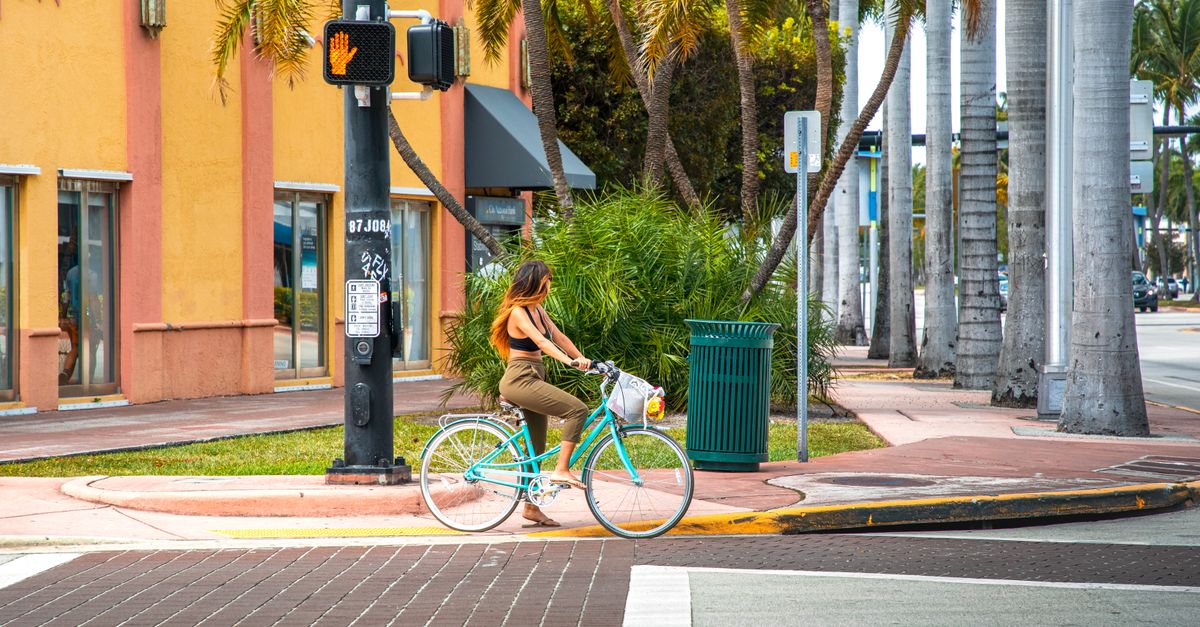
Miami's summer doesn't feel like the rest of the world's right now. While European cities count excess deaths from extreme heat and international travel hits new snags, South Florida's neighborhoods are leaning harder into what makes them tick: hyperlocal food scenes, tight community networks, and the kind of informal gathering spaces that don't require boarding a plane.
The shift isn't accidental. Travel bottlenecks abroad have kept more residents anchored at home, and that's reshaping how Miami's distinct neighborhoods function in July 2026. Wynwood, Little Havana, and the Design District aren't just where tourists snap photos anymore—they're where residents are actually spending their weekends, their money, and their time.
The Neighborhoods Setting the Pace
Wynwood's transformation accelerated this week as two anchor venues expanded their summer programming. Wynwood Walls, the street-art district along Northwest 25th Street, launched extended evening hours through August, staying open until 11 p.m. on Thursdays through Saturdays to capitalize on residents who want outdoor cultural space without air conditioning. Around the corner, Wynwood Kitchen & Bar announced a rotating roster of pop-up chefs occupying its courtyard through September, each running three-week residencies featuring cuisines from Central America to Southeast Asia.
Little Havana's Calle Ocho continues its grip on the neighborhood's identity. The annual street is hosting what local business association president María Rodríguez called a "summer residency series"—weekly Thursday-night gatherings where domino players, musicians, and families claim the street from 6 p.m. onward. Food vendors along the strip report that foot traffic on summer evenings has outpaced last July by roughly 40 percent, according to data compiled by the Little Havana Development Authority.
The Design District, Miami's luxury retail corridor centered around Northeast 40th Street, is taking a different approach. Rather than competing on foot traffic, the neighborhood's merchants association partnered with local restaurants to create "sidewalk suppers"—reserved seating on retail-district sidewalks where diners can sample prix-fixe menus from restaurants like Juvia and Stubborn Seed while browsing nearby shops. A three-course dinner runs $65 to $85, with participating merchants offering 15 percent discounts on purchases made the same evening.
Data Tells a Story About Where Miami Actually Lives
The Greater Miami Convention & Visitors Bureau released second-quarter hospitality data showing that 58 percent of summer restaurant revenue now comes from residents dining within their own zip codes, up from 41 percent in 2024. Hotel occupancy rates remain stable at 72 percent—consistent with pre-pandemic summers—but average room rates dropped 8 percent year-over-year, suggesting that fewer international visitors are booking extended stays.
Wine bars and casual drinking establishments in established neighborhoods are seeing the benefit. Craft cocktail spots in Coral Gables and on Miami Beach's Española Way are reporting stronger Thursday-through-Sunday bookings, with several venues adding outdoor seating capacity. One Coral Gables wine merchant told staff that July reservation requests for private tastings—usually a winter phenomenon—had tripled compared to July 2025.
Grocery spending patterns also shifted. Miami-Dade County residents increased their visits to farmers markets by 34 percent between January and June 2026, according to data from the Miami Farmers Market Cooperative. The Saturday market at Lot J in Overtown now draws roughly 8,000 visitors weekly, nearly double its 2023 average. Produce prices reflect typical summer patterns—tomatoes averaging $2.50 per pound, stone fruits $3 to $4—but volume sales suggest residents are cooking more at home rather than relying on restaurant delivery services.
The practical takeaway for anyone navigating Miami's summer life right now is simple: your neighborhood is the destination. Book those sidewalk suppers in the Design District before July 15, when the program pauses for two weeks. Catch Wynwood's evening art scene on Thursday or Friday when the crowds thin out after 9 p.m. And if you haven't visited Little Havana's Calle Ocho on a Thursday in months, the street feels different now—less performance, more actual community. That's what summer in Miami looks like when the world stays put.