policy
Miami City Council Approves Infrastructure and Workforce Expansion Plan to Boost Local Jobs and Services
New investments promise to improve transportation, public safety, and affordable housing, impacting daily life for Miami residents.
How we reported this
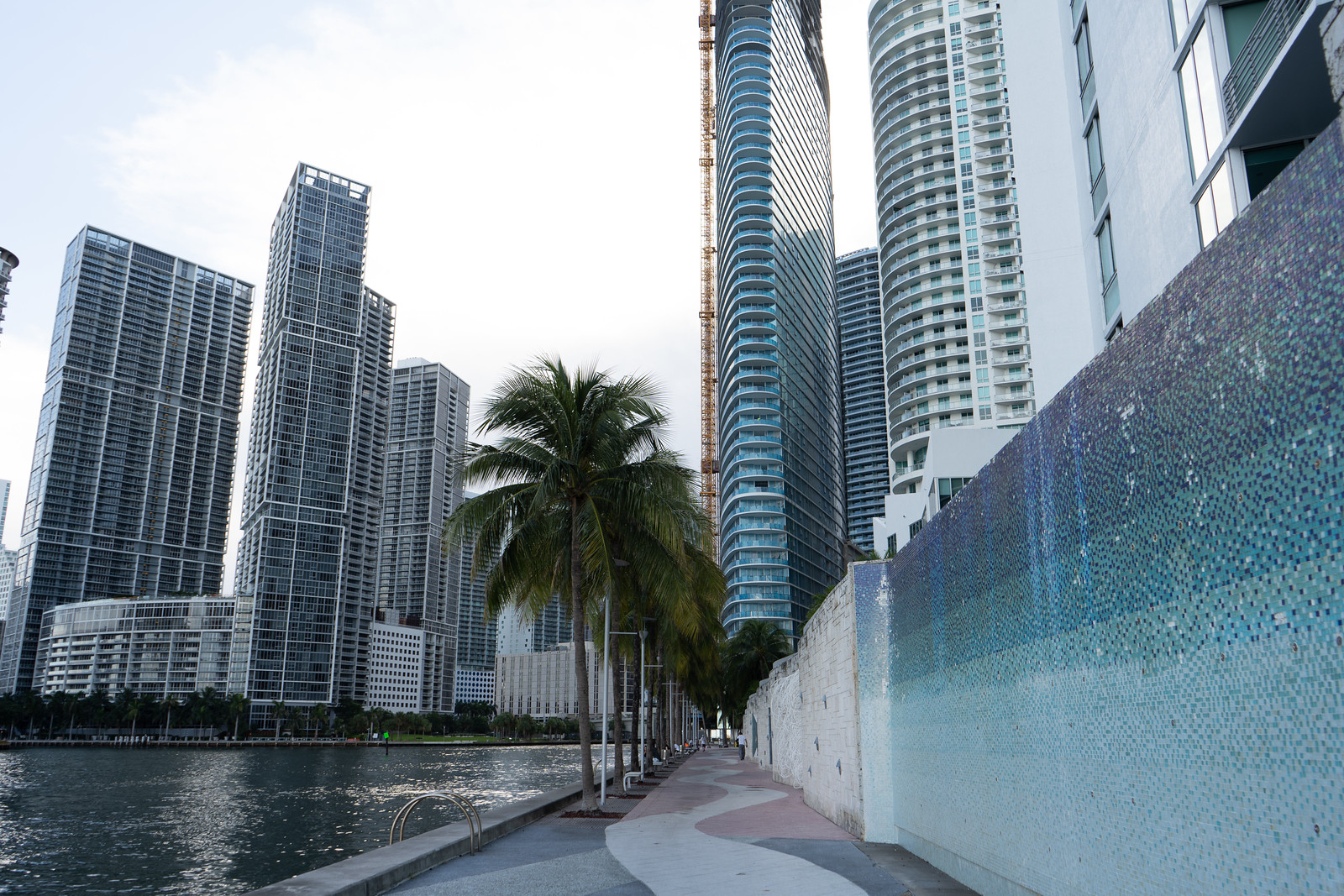
Miami's City Council voted 7-2 on July 9 to approve a comprehensive package aimed at expanding local infrastructure, enhancing city services, and creating jobs. The plan includes $240 million allocated towards transportation upgrades, public safety enhancements, and affordable housing developments over the next three years. This initiative directly affects residents by addressing key priorities in employment opportunities, municipal service delivery, and urban development.
The timing comes amid growing concerns over Miami's population growth and aging infrastructure. The city's population reached an estimated 485,000 this year, nearly 10 percent higher than in 2020, increasing pressure on roads, public transit, and housing stock. Council members emphasized the need to respond to the heightened demand for reliable services and affordable living options, particularly as local unemployment rates remain above the national average at 4.8 percent compared with 3.6 percent nationwide, according to the Florida Department of Economic Opportunity.
Impact on Residents' Daily Commute and Housing Stability
The approved measures include a $120 million investment in expanding the city's rapid bus transit network, upgrades to traffic signal technology aimed at reducing congestion on major corridors such as Coral Way and Flagler Street, and enhancements to bike lanes. This infrastructure focus is projected to reduce average commute times by up to 15 percent in targeted neighborhoods, benefiting thousands of daily travelers.
In the housing sector, $60 million of the budget will fund new affordable housing projects primarily in Little Havana and Liberty City. These developments are expected to create approximately 600 new housing units deed-restricted for residents earning below 60 percent of the area median income. The policy seeks to alleviate long-standing affordability challenges, easing rental burdens for families who on average spend 38 percent of their income on housing, according to Miami-Dade County Housing Authority reports.
Funding Details and Future Implementation
The funding strategy relies on a combination of municipal bonds, state grants, and federal infrastructure funds allocated via the 2024 Bipartisan Infrastructure Law. The city plans to issue $150 million in bonds ahead of August, complemented by $70 million in expected federal grants over the next two fiscal years. The remaining $20 million will come from reallocations within the existing budget focused on improving public safety and emergency response capacity.
City officials project that the new projects will generate approximately 3,500 construction and long-term operational jobs, according to estimates contained in the official city budget documents. Workforce development initiatives tied to the infrastructure plan include partnerships with Miami Dade College and local trade unions to train residents in construction, public transit operations, and emergency services.
Implementation begins this summer, with construction on the bus rapid transit corridors scheduled to start in September and affordable housing projects rolling out in early 2027. City agencies have committed to quarterly public updates to track progress and community impact metrics. Local residents can expect phased improvements impacting transportation options, housing availability, and job market prospects throughout the next three years.