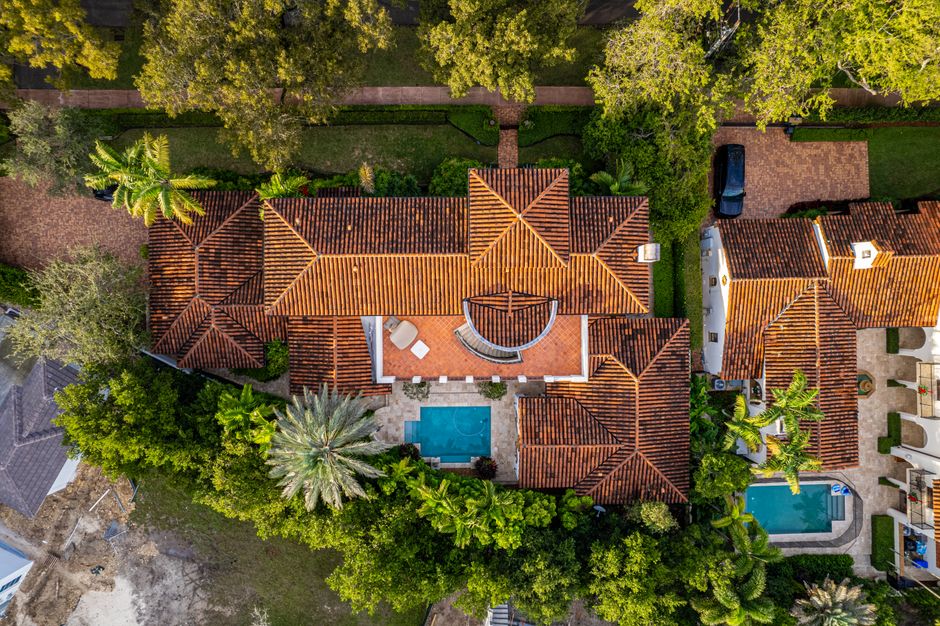
Miami’s single-family home prices are surging away from the city’s condo and apartment market this summer, with the gap between house and unit values on track to reach the widest level since pre-pandemic highs.
Buyers and sellers across Miami-Dade County are watching this divergence closely. The local market has taken on renewed importance as international events batter global real estate, send more capital pouring into South Florida, and spur locals to recalibrate their plans. With luxury buyers shifting their focus and everyday residents feeling the pinch, understanding where Miami’s property market is heading has become urgent—especially as another hurricane season heats up.
Coral Gables Houses Surge, Downtown Units Stall
On the ground, the split is striking. In Coral Gables, single-family homes along Granada Boulevard are now regularly listing for $2.5 to $3 million, according to MLS data reviewed Friday. That’s nearly a 10 percent jump in median price over twelve months. Meanwhile, two-bedroom condos at Icon Brickell in Downtown or Axis on Brickell continue to trade around $650,000, up barely two percent since last July, according to figures provided by the Miami Association of Realtors.
Developers in Edgewater and Midtown have taken notice. “Buyers are demanding more outdoor space, more privacy,” said a representative for Swire Group, the multinational behind Brickell City Centre, in their quarterly report. Inventory is tightest west of Biscayne Bay, where houses with yards in Shenandoah and The Roads are attracting sealed bids and aggressive offers. By contrast, units at booming developments like Okan Tower and the under-construction Waldorf Astoria Residences face longer days on market even with record amenities.
The Numbers Behind the Divide
According to the Miami Association of Realtors, as of June 2026, the median single-family home price in Miami-Dade stands at $690,500, a 9.6 percent annual increase. Condos and apartments, meanwhile, posted a median value of $412,000, marking only a 2.3 percent bump over the same period. Detached homes in Coconut Grove and Pinecrest now routinely command well north of $1.5 million; across the bay, high-rise units on Biscayne Boulevard are lingering once listed above $800,000.
Part of the explanation lies in the shifting pool of buyers. International residents, particularly from Latin America and Europe, are again flocking to houses in Miami’s leafy neighborhoods—bidding up limited stock as newcomers flee hotter, less stable property markets abroad. At the same time, rising HOA fees and insurance premiums on condos, especially in older towers from Sunny Isles to Brickell Key, are tempering enthusiasm for unit purchases.
What Next for Miami Buyers and Sellers?
Analysts at Miami-Dade’s Office of Housing Advocacy suggest two strategies for locals: First, keep a close eye on new listings in longtime residential enclaves like Westchester and Palmetto Bay, where some modest houses can still be found below $550,000. Second, prospective condo buyers should factor in the full cost of ownership—including projected increases in maintenance and insurance—before pulling the trigger on units in Central Miami or along Collins Avenue in Miami Beach.
This split between house and unit prices is expected to persist through the end of 2026. For buyers, timing and neighborhood selection are more important than ever. Owners on either side of the market divide should be prepared for longer negotiations—and more variation in what the market will pay. As always in Miami: location and lifestyle drive the deal.