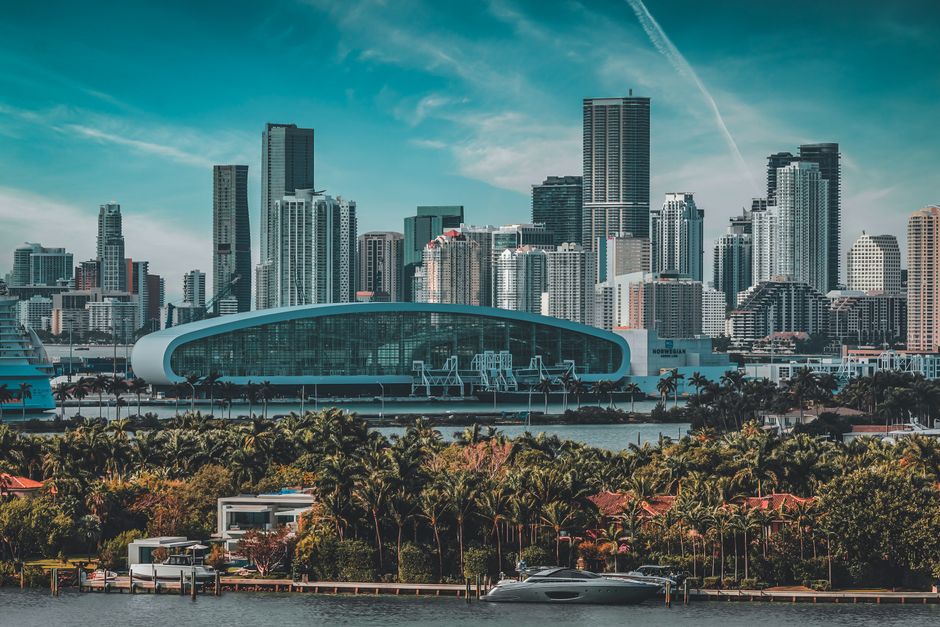
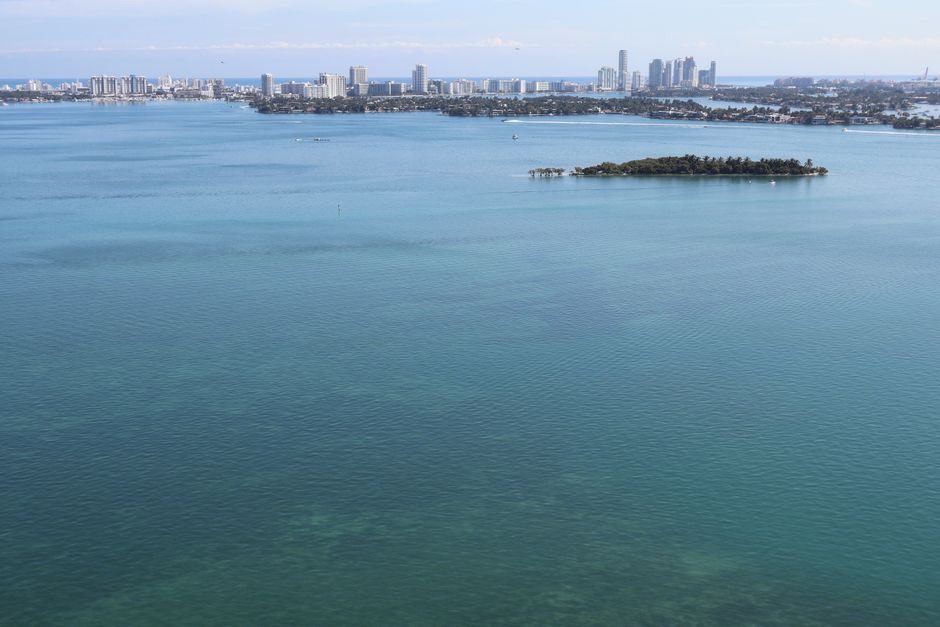
Securing a down payment on a home in Miami isn’t just a challenge—it’s often the gauntlet that locks out many first-time buyers. Despite a cooling trend in some national markets, Miami’s median single-family home price has hovered just above $680,000 since May, leaving aspiring owners scrambling to build a deposit before prices climb again.
This pressure has intensified as mortgage rates stubbornly remain above 6%. The squeeze is particularly sharp for renters in areas like Edgewater and Little Havana, where average rents have jumped 8 percent year-on-year according to Miami-Dade Housing Authority data. As hurricane season and global unrest shake the broader economy, locals are laser-focused on creative, practical ways to scrape together that crucial 10%—or more—deposit before they get priced out entirely.
Turning to Grants—and New Habits
For many Miamians, the first stop is Miami-Dade’s Homeownership Assistance Program (HAP), which can award up to $7,250 towards a first home deposit for those earning under $95,000. The City of Miami's First-Time Homebuyer Program also helps with forgivable loans up to $12,500, depending on income and home location. Both schemes require attending a HUD-certified homebuyer education workshop, with sessions frequently hosted at Neighborhood Housing Services on Northwest 12th Avenue or via Zoom.
Some buyers are getting aggressive on budgeting by shifting from luxury towers to smaller condos further west. In Allapattah, for example, a one-bedroom listed on NW 17th Ave was available last month for $290,000—less than half the Brickell median. Local banks like Banesco USA and City National Bank of Florida have recently promoted high-yield savings accounts and automated round-ups, letting buyers stash away spare change after every purchase. Traditionalists, meanwhile, are subletting spare rooms and using platforms specific to South Florida like PadSplit to accelerate savings beyond the industry-standard 20-24 months.
Data: Miami’s Deposit Problem by the Numbers
According to the Miami Association of Realtors, the average down payment for first-time buyers in Miami-Dade rose to $38,700 in the first quarter of 2026—up nearly $4,000 from the previous year. Renters now spend 43% of their yearly income, on average, just keeping up with rental costs. In neighborhoods like Coconut Grove, starter condos routinely list for above $400,000. Even a 5% down payment, after closing costs, can run over $25,000 before inspections and insurance fees.
To help buyers keep up, the Miami Urban Project at FIU launched a deposit calculator this spring, letting users model path-to-purchase scenarios by zip code, accounting for real insurance premiums—which many newcomers underestimate.
From August, several Miami-based credit unions plan to introduce new matched-savings programs specific to first-time buyers, offering a $1-for-$1 match up to $2,500 for members saving toward a home in the city limits. While small compared to the total needed, these targeted boosts can close remaining gaps or pay for unavoidable extras like condo association fees on Biscayne Boulevard properties.
With the hurricane season forecast to last until November, buyers are watching the market for any adjustment but brokers at local firm Luxe Realty Partners say the city’s steady influx of out-of-state investors is likely to keep prices buoyant through the end of the year.
For those hoping to get a foot in the door, the formula is clear: combine every available grant—apply early and gather documentation—slash nonessential spending, widen the search radius, and track the programs rolling out at Miami’s community centres and banks. As prices stabilize but stay elevated, that discipline and local know-how will be what separates the renters from the owners on closing day.