property
Miami Home Prices Jump 6.2% Year-Over-Year as Market Cooling Begins
The latest quarterly figures show Miami's housing market still running hot compared to mid-2025, even as rising insurance costs and inventory gains put pressure on sellers.
How we reported this
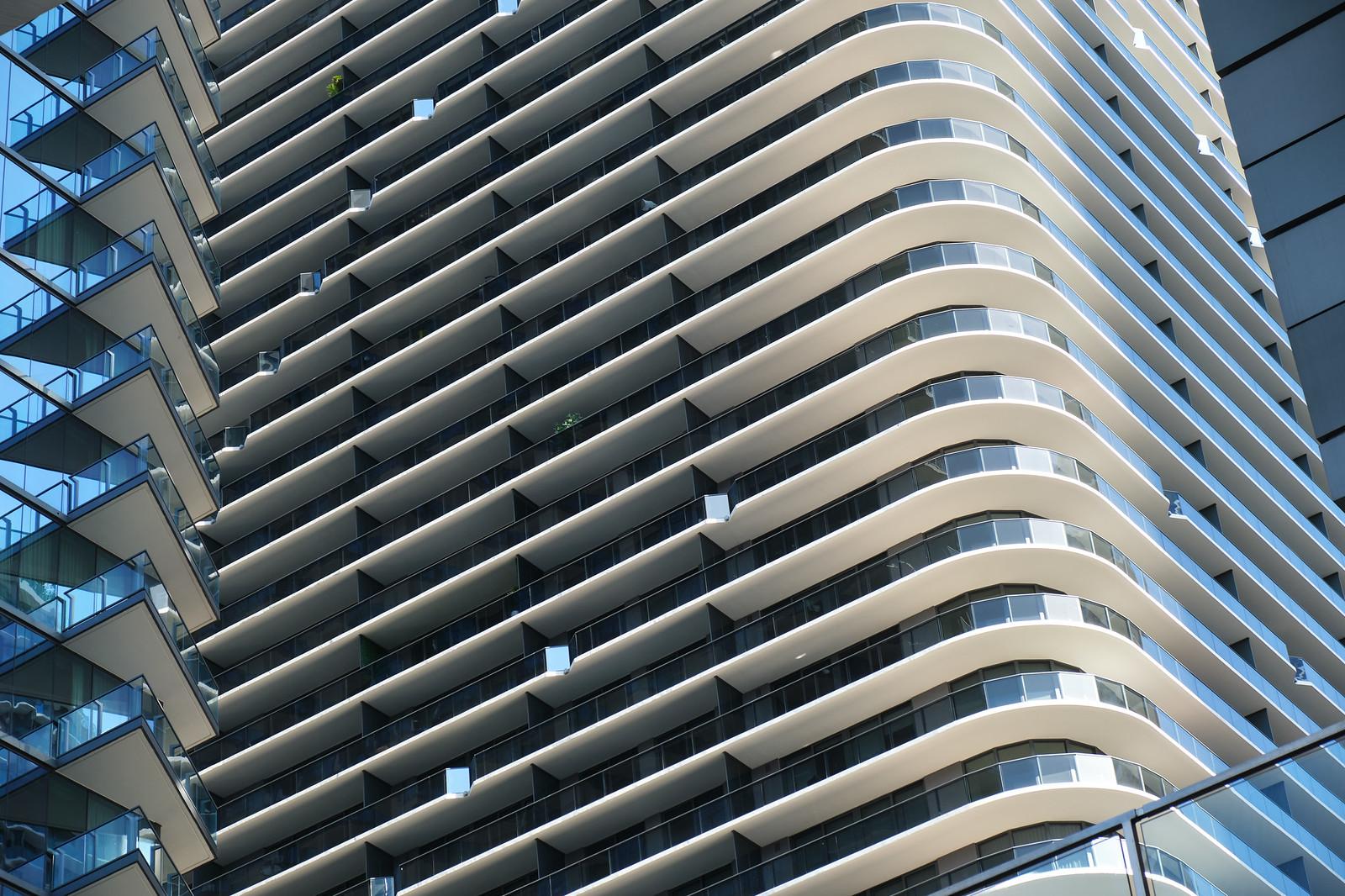
Miami's median single-family home price reached approximately $685,000 in the second quarter of 2026, up roughly 6.2 percent from the same period last year, according to market data compiled by the Miami Association of Realtors. That figure marks the fourteenth consecutive quarter of year-over-year price growth in Miami-Dade County, but it is also the slowest annual gain the market has posted since early 2023, when the post-pandemic surge was still carrying full momentum.
The timing matters. Buyers who sat out 2025 hoping for a correction never got one, and sellers who banked on double-digit appreciation every year are adjusting expectations heading into the back half of 2026. The Federal Reserve's decision to hold benchmark interest rates steady through June has kept 30-year mortgage rates hovering near 6.8 percent nationally, a figure that continues to squeeze affordability for first-time buyers even as it fails to dramatically cool demand from cash-heavy domestic and international purchasers.
Where Prices Moved, and Where They Didn't
The sharpest year-over-year gains landed in Coconut Grove and Coral Gables, two neighborhoods that have consistently outperformed the county average. Median sale prices in Coral Gables pushed past $1.4 million in Q2, up from just under $1.3 million during the same three months in 2025. Coconut Grove saw similar pressure, with waterfront and near-waterfront properties on streets like Tigertail Avenue and Main Highway trading at premiums that were unimaginable five years ago.
Brickell, long the benchmark for Miami's condo market, told a more complicated story. Median condo prices in the district edged up about 3.1 percent year-over-year, a number dampened by a wave of new inventory coming out of recently completed towers along Brickell Avenue. The Brickell City Centre corridor in particular saw asking prices trimmed on dozens of resale units as new construction delivered fresh product to a market that, for the first time in years, had options. Little Havana and Allapattah, historically more affordable entry points, posted stronger percentage gains than Brickell, with median prices in both neighborhoods climbing between 7 and 8 percent year-over-year as buyers priced out of wealthier zip codes pushed south and west.
The rental market is also sending signals. Average asking rents for a two-bedroom apartment in the Wynwood Arts District crossed $3,200 per month in June, according to figures tracked by Zumper, reinforcing why so many renters are calculating that purchase, even at today's rates, beats indefinite rent exposure.
Insurance Costs Are the Wild Card
No serious analysis of Miami real estate in mid-2026 can avoid homeowners insurance. Annual premiums for a single-family home in Miami-Dade County have risen sharply over the past three years as carriers pulled back from the Florida market or repriced risk following successive active hurricane seasons. Several brokers operating out of offices in Doral and North Miami Beach have noted that insurance quotes are now routinely factored into buyer affordability calculations the way property taxes always were, a structural shift that may act as a natural governor on how high prices can realistically climb even when demand stays strong.
The Florida Office of Insurance Regulation has been working through a series of legislative reforms passed in 2022 and 2023 designed to stabilize the market, but the full effect on premiums in high-risk coastal counties like Miami-Dade remains uneven. For buyers targeting properties east of U.S. 1, closer to the water, insurance quotes can add $30,000 or more to the annual cost of ownership.
For buyers entering the Miami market this summer, the practical reality is this: Q2's 6.2 percent gain means waiting another year carries real cost, but the narrowing pace of appreciation and a modest rise in active listings, inventory in Miami-Dade was up roughly 18 percent from a year earlier as of late June, means buyers have more negotiating room than at any point since 2021. Sellers who priced aggressively in Q1 and sat are now taking price cuts. The Brickell and Edgewater condo segments, in particular, reward patient, pre-approved buyers willing to move when a motivated seller surfaces.
This article is general information only and is not personal financial or investment advice. Consider your own circumstances and seek licensed professional advice before making financial decisions.