property
Young Professionals Flock to Little Haiti as Miami Rents Surge Elsewhere
A neighbourhood long overlooked by developers is drawing in remote workers, creatives, and first-time buyers priced out of Wynwood and Brickell.
How we reported this
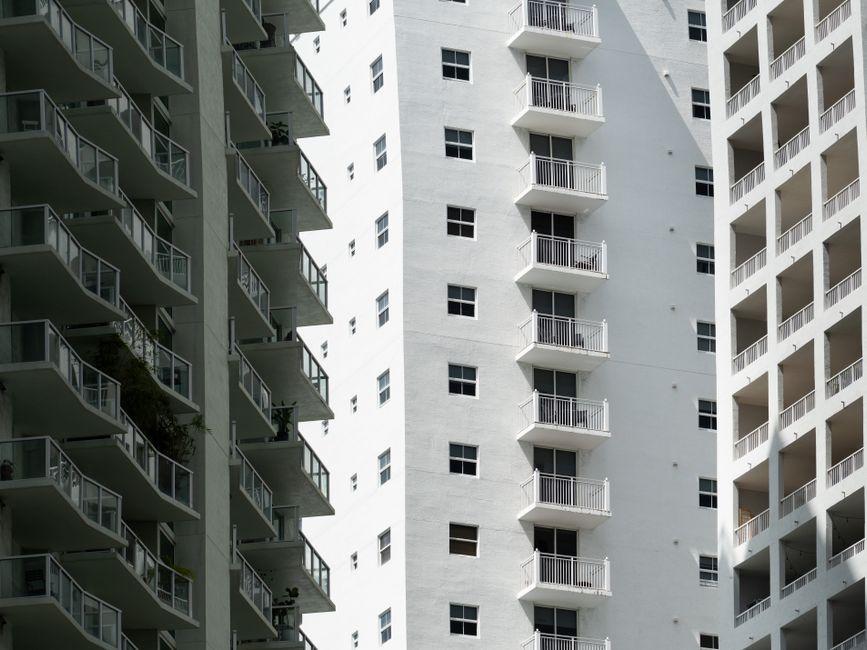
Little Haiti is moving fast. Once dismissed by real estate agents as a pass-through corridor between the Design District and Miami Shores, the neighbourhood straddling NE 2nd Avenue north of 54th Street has seen median asking prices for single-family homes climb to roughly $520,000 in mid-2026, up from around $380,000 three years ago, according to listing data tracked through Miami-Dade County property records. Young professionals, many of them remote workers in tech and finance priced out of Wynwood entirely, are doing the math and choosing Little Haiti instead.
The timing matters. Miami's overall rental vacancy rate has tightened over the past 18 months, and Brickell studio rents regularly top $2,800 per month, pushing a wave of 25-to-35-year-old renters and first-time buyers northward along the Biscayne Corridor. Little Haiti sits at the convergence of proximity to I-95 on-ramps, the Design District's cultural pull, and a stock of older Haitian-owned commercial strips on NE 2nd Avenue that are quietly changing hands or converting uses.
Coffee Shops and Murals Are Just the Start
The physical markers of gentrification are already visible on the ground. Café Afrobeat, a specialty coffee and wine bar that opened on NE 62nd Street in late 2024, draws a mixed crowd of neighbourhood longtime residents and newcomers who commute by electric scooter from new rental buildings on Biscayne Boulevard. Three blocks south, the Little Haiti Cultural Complex at 212 NE 59th Terrace continues to anchor Haitian heritage in the neighbourhood, running weekly dance and art workshops that new residents are increasingly attending alongside the community that has been there for decades.
The City of Miami's Resilient305 initiative has earmarked Little Haiti for infrastructure improvements, including upgraded stormwater drainage along NE 2nd Avenue, a practical lure for investors who saw parts of the neighbourhood flood during the 2024 storm season. The Miami Urban Future Studio, a planning research group based at the University of Miami, flagged Little Haiti in its 2025 corridor report as one of four Miami neighbourhoods where public investment was converging with private appetite faster than city planners had projected.
Condo product is entering too. A 96-unit mid-rise approved for a site near NE 2nd Avenue and 69th Street is scheduled to break ground in the fourth quarter of 2026, with pre-sales priced from $395,000. For context, comparable new construction in Edgewater, barely two miles south, starts closer to $650,000 for a similar footprint. That gap is what real estate agents working the corridor describe, in general terms, as the neighbourhood's central pitch to buyers who missed Wynwood's window a decade ago.
What Buyers and Investors Should Watch
The risk profile here is real. Little Haiti sits almost entirely within Miami-Dade County's coastal flood zone boundaries, and insurance costs for ground-floor units have risen steeply since 2023. Buyers financing through conventional mortgages should expect to budget for flood insurance that can run $4,000 to $6,000 annually on properties under $600,000, a carrying cost that erodes the price advantage over Edgewater if not accounted for upfront.
Long-term residents and community organisations, including Fanm Ayisyen Nan Miyami (Haitian Women of Miami), have been vocal in city planning meetings about displacement pressures, and any investor or buyer operating in the neighbourhood should treat community engagement as a practical due diligence step, not an afterthought. The cultural identity that makes Little Haiti legible to buyers, the murals along NE 54th Street, the botanicas, the outdoor domino tables, depends on the residents who built it remaining.
The practical advice for buyers looking at Little Haiti now: focus on blocks between 59th and 69th Streets on the eastern side of NE 2nd Avenue, where elevation grades are marginally higher and walkability to the cultural anchor institutions is strongest. Get a survey, price your insurance before you make an offer, and treat this as a five-to-seven year hold. The neighbourhood's fundamentals are moving in one direction, but the window that made Wynwood legendary for early buyers closes faster than most people expect.
This article is general information only and is not personal financial or investment advice. Consider your own circumstances and seek licensed professional advice before making financial decisions.