property
Miami's Build-to-Rent Towers Promise More Than Apartments for Renters
As buying a home in Miami drifts further out of reach for working residents, a new wave of build-to-rent developments is promising more than just an apartment, but the math still deserves scrutiny.
How we reported this
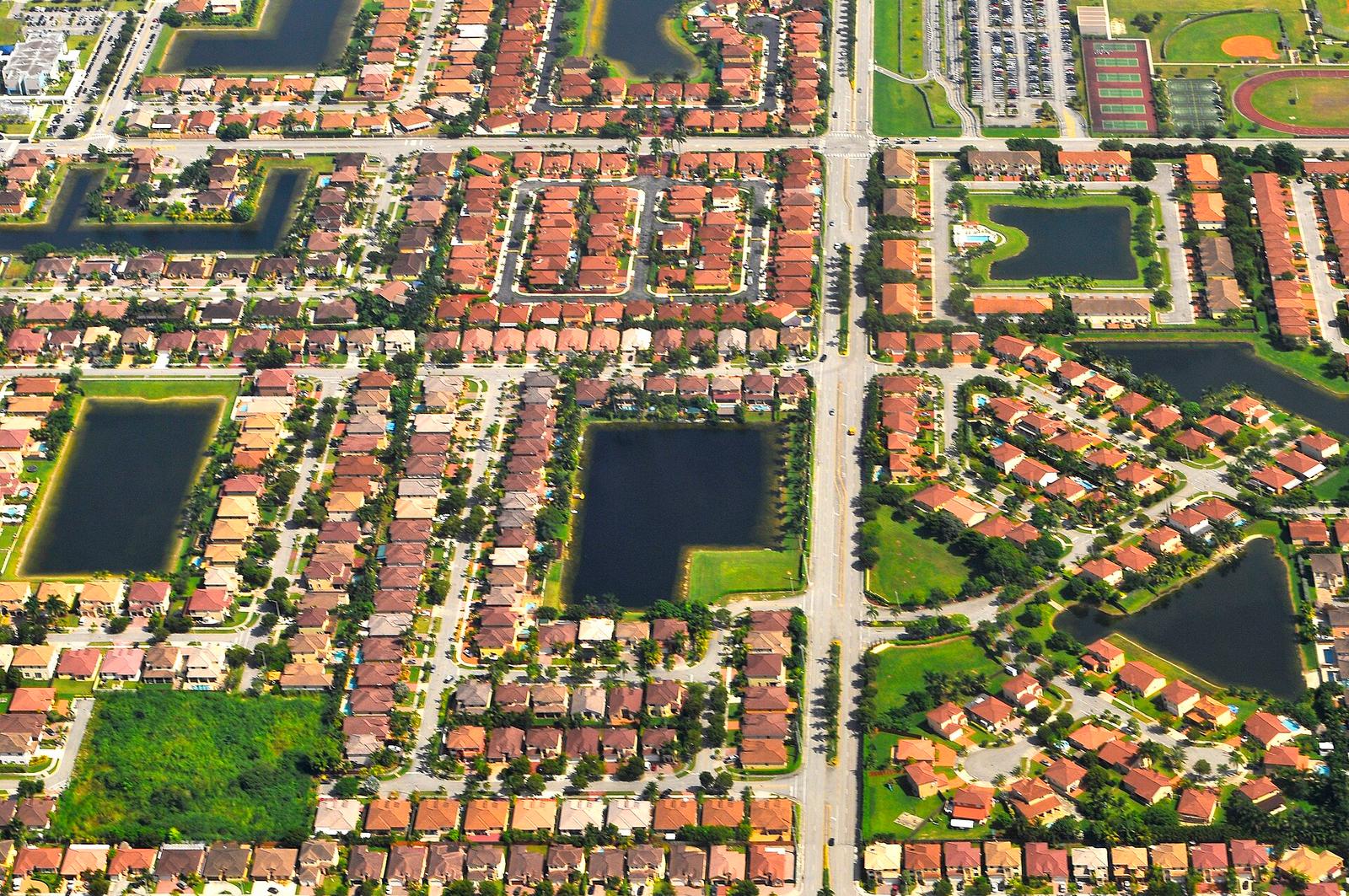
The median asking price for a single-family home in Miami-Dade County crossed $650,000 earlier this year, a threshold that has effectively shut out a broad swath of the workforce from ownership. Into that gap, developers are dropping a product class that barely existed in South Florida a decade ago: purpose-built, professionally managed rental communities designed from the foundation up for long-term tenants rather than future buyers.
This matters right now because the Federal Reserve's benchmark rate, which has kept 30-year mortgage rates hovering above 6.5 percent through the first half of 2026, shows no sign of dramatic relief before year-end. At those rates, a $650,000 purchase with a standard 20 percent down requires monthly principal and interest payments north of $3,300, before insurance, HOA fees, or property taxes that in Miami-Dade can add several hundred dollars more. Renting suddenly looks less like a consolation prize and more like a deliberate financial strategy.
What Build-to-Rent Actually Delivers in Miami
Three significant build-to-rent projects have either opened or broken ground in the Miami metro since 2024. In Allapattah, the 312-unit Flagler District Residences, a joint venture targeting the workforce housing segment, offers units ranging from studios at roughly $2,100 a month to two-bedrooms at $2,900. The pitch is consistency: no surprise condo-conversion notices, no landlord selling to an owner-occupant, no abrupt lease non-renewals.
Over in Doral, near the NW 87th Avenue corridor, a 400-unit build-to-rent community developed under Miami-Dade County's Live Local Act incentive framework is scheduled to deliver its first phase in late 2026. The Live Local Act, passed by the Florida Legislature in 2023 and amended in 2024, allows developers to bypass local zoning restrictions in exchange for reserving a portion of units at rents affordable to households earning 120 percent or less of the area median income. For a two-person household in Miami-Dade, that AMI threshold currently sits at approximately $92,000 annually, according to federal housing guidelines.
These projects tend to come loaded with amenities that older rental stock simply cannot match: co-working lounges with private phone booths, package lockers built for the volume of e-commerce deliveries, dog-washing stations, and dedicated rideshare drop-off zones. None of that is accidental. Developers design retention into the building because they hold the asset long-term rather than selling individual units, so their return depends on keeping vacancy low and turnover costs down.
The Math: Rent vs. Own in 2026 Miami
The renter-versus-buyer calculation has genuinely shifted. A household that would have needed roughly $130,000 in cash for a down payment and closing costs on a median-priced Miami home, money most renters do not have sitting liquid, can instead sign a lease and keep that capital in markets that have returned meaningfully over the past two years. The break-even horizon, the point at which buying beats renting purely on financial terms, has stretched to roughly eight to ten years in most Miami zip codes under current conditions, according to analyses using standard rent-versus-buy models that account for opportunity cost of the down payment.
That said, build-to-rent is not a charity product. Monthly rents at new institutional communities in Wynwood and Edgewater, where several smaller BTR projects have delivered since 2023, frequently exceed $2,500 for a one-bedroom. That is affordable relative to ownership costs, but still a significant line item for a household earning Miami's median household income of just under $60,000. Renters should read the lease carefully, particularly clauses governing annual rent escalations, which at some professionally managed properties are indexed to the Consumer Price Index with a cap, typically 5 percent, rather than locked flat.
For prospective tenants evaluating these communities, the practical checklist is straightforward. Confirm the ownership structure, is this genuinely a long-term rental asset, or a condo project that retained some units temporarily? Ask management what the escalation formula is before signing. Check whether the building participates in any Miami-Dade County affordability program, which could cap increases. And run the numbers against ownership not just for today, but assuming rates drop modestly by 2028, when your lease may be up for renewal and the calculus could look different again.
This article is general information only and is not personal financial or investment advice. Consider your own circumstances and seek licensed professional advice before making financial decisions.