Wellness
Napping: When It Helps and When It Hurts
Miami's heat, hustle, and late-night culture make midday rest tempting — but sleep scientists say the difference between a power nap and a sleep wrecker comes down to minutes.
4 min read
Wellness
Miami's heat, hustle, and late-night culture make midday rest tempting — but sleep scientists say the difference between a power nap and a sleep wrecker comes down to minutes.
4 min read
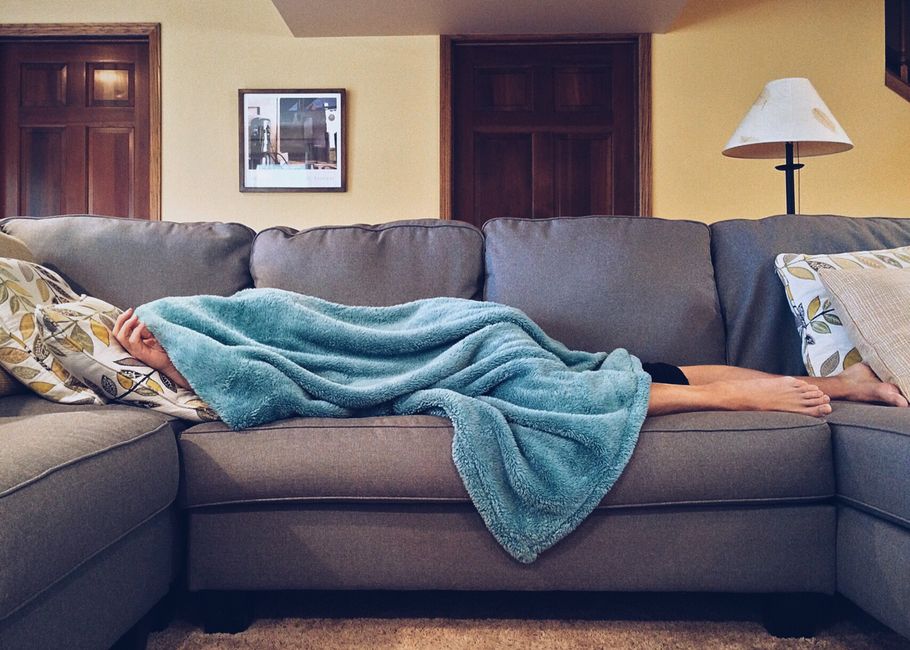
The afternoon crash hits hard at 2 p.m. on Brickell Avenue. Office workers duck into coffee shops along SW 8th Street, fitness studios on Coral Way report a midday lull in class bookings, and at least a dozen wellness apps now ping Miami users with "rest reminders" between noon and 3 p.m. The nap, long dismissed as a sign of laziness in American work culture, has quietly become a health conversation worth taking seriously — and the science behind it is more specific than most people realize.
The timing matters because hormones, sleep cycles, and Miami's particular rhythms are colliding. The city runs late by almost any national standard: a 2024 survey by the American Academy of Sleep Medicine found that adults in South Florida reported average weeknight bedtimes roughly 45 minutes later than the national median of 11:08 p.m. Add summer heat that keeps Wynwood and Little Havana residents awake well past midnight, and the case for supplemental daytime rest looks compelling. But sleep researchers warn that an unplanned, poorly timed nap can undermine nighttime sleep quality and leave you groggier than before you lay down.
Sleep science is fairly consistent on one number: 20 minutes. A nap shorter than that keeps you in the lighter Stage 1 and Stage 2 sleep phases, delivering a measurable boost in alertness and motor performance without triggering the deeper slow-wave sleep that causes "sleep inertia" — that disoriented, heavy-limbed feeling you get waking from a long afternoon snooze. Research published in the journal Sleep Health in January 2025 showed that participants who napped for 20 minutes performed 34 percent better on sustained attention tasks than those who skipped rest entirely.
Go past 30 minutes, and the calculus changes. Crossing into slow-wave sleep mid-afternoon suppresses adenosine, the chemical that builds sleep pressure across the day. Less sleep pressure at bedtime means more time lying awake at 11 p.m., more fragmented sleep overnight, and a feedback loop that can deepen into chronic sleep debt. For anyone already struggling with insomnia, most sleep clinicians advise cutting naps entirely until nighttime sleep stabilizes.
Timing is the second variable. The post-lunch dip — a real, circadian-driven drop in alertness — peaks between 1 p.m. and 3 p.m. for most adults. Napping inside that window causes the least disruption to nighttime sleep architecture. A nap at 5 p.m. in Coconut Grove, however tempting after an afternoon beach run, pushes the body's sleep clock forward and can delay melatonin release by up to two hours.
A handful of local businesses have moved beyond the concept into practice. The Fit Miami recovery studio on NE 2nd Avenue in Edgewater offers 25-minute "restoration pods" — reclined zero-gravity chairs in a darkened room — booked in advance for $18 a session. The studio introduced the service in March 2026 and reports it sells out most weekday afternoons by 11 a.m. Across the bay in Miami Beach, the wellness program at the 1 Hotel South Beach has incorporated guided nap sessions — capped at 22 minutes with a soft audio cue — into its weekend spa programming since late 2025.
The University of Miami's Miller School of Medicine sleep clinic on NW 10th Avenue runs a community education program, Sleep Well Miami, that covers napping guidelines as part of its broader behavioral sleep medicine curriculum. The clinic sees a significant uptick in consultations every summer, when heat disrupts sleep for residents without reliable air conditioning in neighborhoods like Overtown and Liberty City.
The practical takeaway is straightforward. Set an alarm for 20 minutes, nap before 3 p.m., keep the room cool and dark, and don't make it a daily crutch if your nighttime sleep is already fragmented. If afternoon fatigue is severe and persistent regardless of nap habits, that's a conversation for a physician — not a wellness app. Miami has no shortage of board-certified sleep specialists, and Miller School's clinic accepts most major insurance plans. The city's energy is relentless. Your sleep schedule doesn't have to match it.

Wellness

Wellness

Wellness

Wellness
About this article
Published by The Daily Miami
Spread the word
Daily brief
Free, in your inbox before 7am. Weekdays.
The Daily Network — local news across Australia