wellness
Protein Sources Beyond Meat: A Local Guide
From Wynwood smoothie bars to Little Havana markets, Miami's plant-forward protein scene has quietly grown up-and your grocery bill might thank you for paying attention.
How we reported this
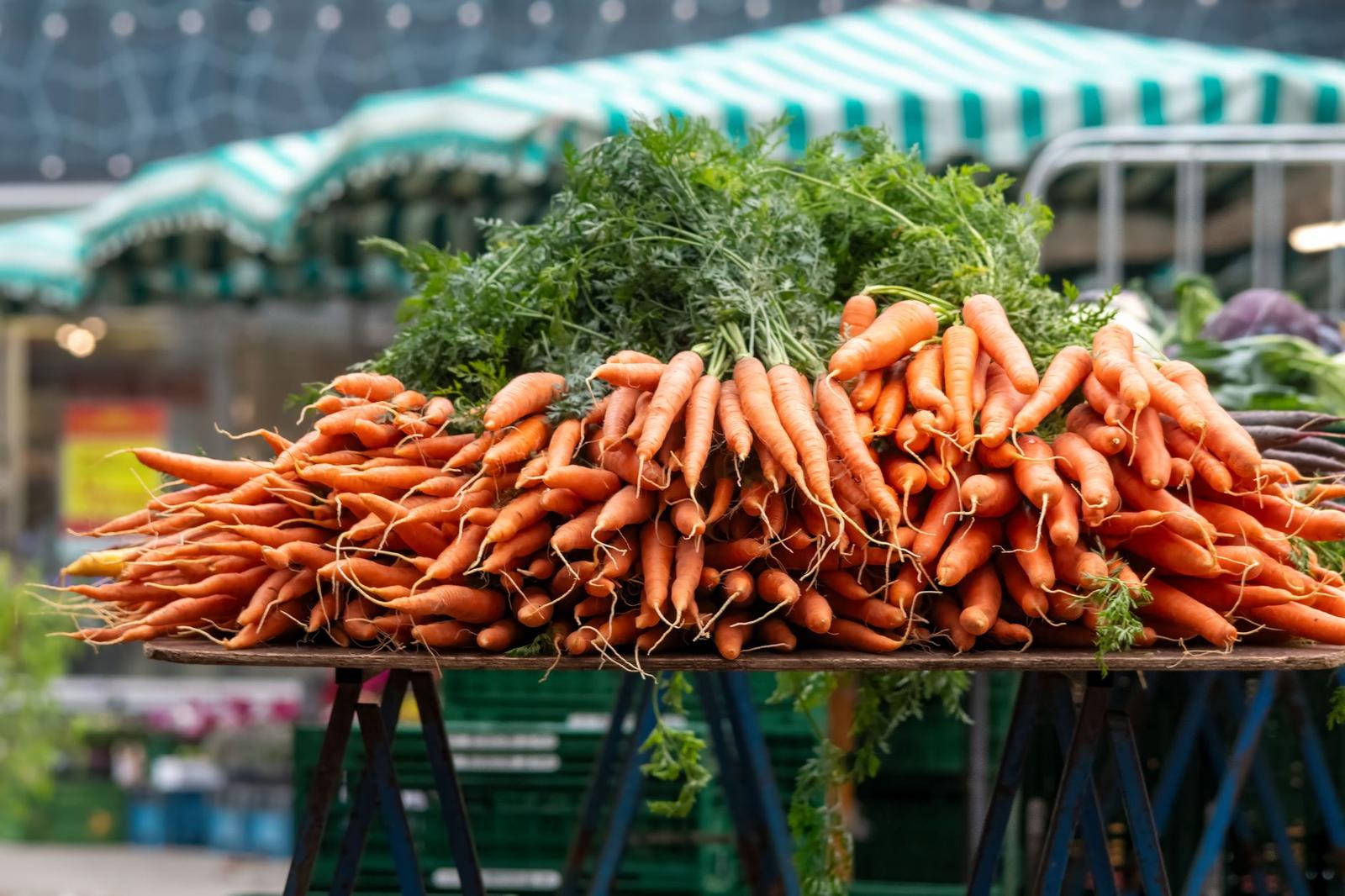
Miami residents are spending more time and money chasing protein that doesn't come wrapped in butcher paper. Walk through the Coral Gables Farmers Market on a Saturday morning and you'll count at least a dozen vendors selling tempeh, hemp seeds, black bean flour and spirulina powder-staples that barely registered on stall tables five years ago. The shift isn't just culinary preference. Registered dietitians at the University of Miami Miller School of Medicine's Nutrition and Wellness Program have been flagging rising patient interest in non-animal protein sources since early 2025, driven partly by cost, partly by cardiovascular concerns, and partly by South Florida's own heat-related appetite changes.
Why does this matter right now? Beef prices in Miami-Dade County climbed roughly 18 percent between January 2024 and June 2026, according to Florida Department of Agriculture retail data, pushing shoppers toward cheaper complete-protein alternatives. At the same time, a growing body of research-including a 2024 study published in The American Journal of Clinical Nutrition involving 4,000 adults-confirmed that diets combining legumes, dairy and whole grains can meet daily protein targets without red meat. For a city where outdoor activity runs almost year-round, from Bayfront Park yoga at dawn to pickup volleyball on South Beach, keeping protein intake adequate without the inflammatory saturated fat load of processed meats has become a legitimate everyday concern.
Where Miami Shops and Eats for Plant Protein
Two spots stand out for accessibility. The first is Presidente Supermarket, with eight Miami-Dade locations including a flagship on SW 8th Street in Little Havana. Its bulk bins stock dried black-eyed peas, lentils and pigeon peas-all complete or near-complete protein sources when paired correctly-at prices hovering around $1.49 to $1.89 per pound as of this month. Staff in the nutrition aisle routinely point regulars toward canned lupini beans, a Mediterranean legume that delivers roughly 26 grams of protein per 100-gram serving and has become a staple snack in the store's growing health-food section.
The second is Verde Kitchen, a plant-focused café on NW 2nd Avenue in Wynwood, which built its July menu specifically around high-protein bowls using edamame, roasted chickpeas and Greek-style coconut yogurt. A standard Verde protein bowl runs $14.50 and clocks in at approximately 38 grams of protein-competitive with a chicken breast entrée at a mid-range Brickell restaurant. The café partners with the nonprofit Roots in the City, a Miami urban farming organization based in Overtown that supplies micro-greens and moringa leaf, which at 29 grams of protein per 100 grams dried is one of the more protein-dense plant foods commercially available in South Florida.
What the Numbers Actually Say
Adults need between 0.8 and 1.2 grams of protein per kilogram of body weight daily, a range the National Academy of Medicine has held steady for years. For a 75-kilogram person-a reasonable Miami adult average-that's 60 to 90 grams daily. Eggs remain the most efficient budget option locally, with a dozen large eggs selling for $3.29 at most Winn-Dixie stores in Hialeah and Doral as of late June, delivering six grams of complete protein per egg at roughly 27 cents per serving. Greek yogurt from the Trader Joe's on Biscayne Boulevard north of the Design District runs $1.49 for a single-serve cup with 15 grams of protein. Stack a cup of lentils (18 grams), a serving of yogurt and two eggs and you've cleared 51 grams before lunchtime without touching meat.
For Miamians ready to move beyond the grocery aisle, the Pinecrest library's free monthly nutrition workshop series-running through December 2026-dedicates its August 12th session specifically to building protein-complete meals from plant sources. Registration opens July 10 through Miami-Dade County's Parks and Recreation portal. For anyone looking to dial in a plan more precisely, the University of Miami's Sylvester Comprehensive Cancer Center runs a community nutrition clinic on the Coral Gables campus where sliding-scale appointments with a registered dietitian cost between $20 and $80 depending on household income. Protein isn't complicated. Miami has made it cheaper and more interesting than most cities have any right to expect.