Wellness
Mindfulness in Schools: What Local Programs Are Available
Miami classrooms are quietly adding breathing exercises and meditation to the school day — here's where to find them and what the research actually shows.
4 min read
Wellness
Miami classrooms are quietly adding breathing exercises and meditation to the school day — here's where to find them and what the research actually shows.
4 min read
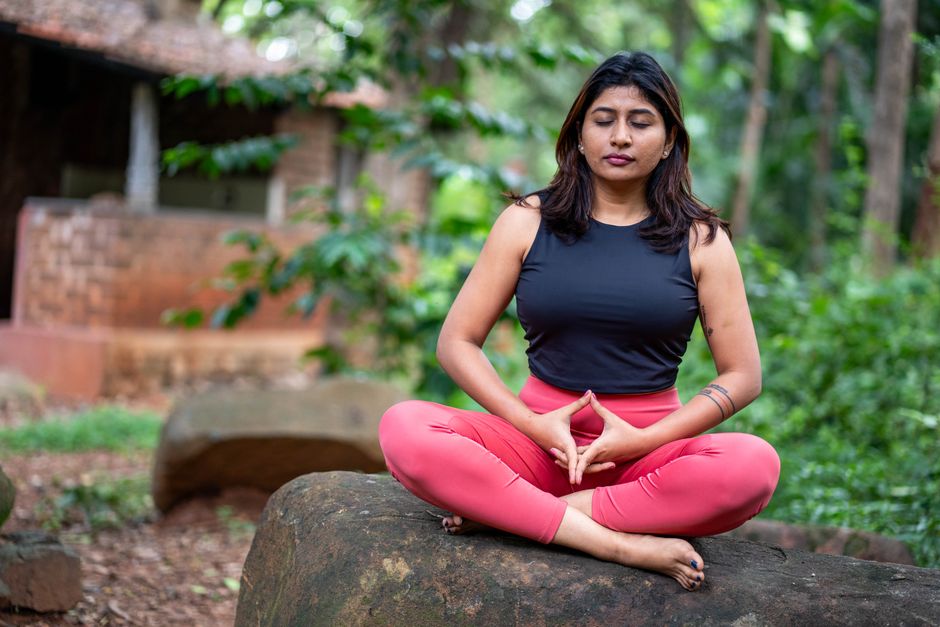
More than a dozen Miami-Dade County public schools have added structured mindfulness programs to their weekly schedules since the 2024-25 academic year, part of a broader push by district administrators to address what school counselors describe as a measurable spike in student anxiety since the pandemic. The programs range from five-minute guided breathing sessions before first period to dedicated 45-minute weekly classes embedded in the physical education curriculum.
The timing matters. Adolescent mental health has dominated local school board conversations since Miami-Dade County Public Schools — the fourth-largest school district in the United States, serving roughly 335,000 students — released internal survey data in January 2026 showing that 38 percent of middle schoolers reported feeling "persistently sad or hopeless" over the previous 12 months. That number was 24 percent in 2019. District officials approved a $1.2 million allocation in February 2026 for social-emotional learning initiatives, with mindfulness cited specifically in the budget language.
Mindful Schools, a California-based nonprofit that has trained educators across 100 countries, began working directly with teachers at Miami Beach Senior High School on Drexel Avenue in 2023. By January 2026, 14 staff members at that campus had completed the organization's 101-hour certification course, which costs approximately $799 per educator and covers techniques including body-scan meditation, mindful movement, and classroom de-escalation tools. Students in those teachers' classes do a short, structured breathing exercise at the start of each lesson.
In Overtown, the Lotus House Women's Shelter — which also runs educational programming for children and teens at its Northwest 1st Avenue facility — introduced a trauma-informed mindfulness curriculum in September 2025. The program draws on methods developed by the nonprofit Inner Explorer, whose audio-guided sessions are designed for K-12 classrooms and cost schools around $5 per student annually. Lotus House adapted the curriculum specifically for young people who have experienced housing instability, partnering with University of Miami psychologists from the Miller School of Medicine to evaluate outcomes over a two-year period ending in June 2027.
Meanwhile, a pilot launched this past January at Coral Way K-8 Center in the Shenandoah neighborhood has attracted attention from district staff. Principal-led morning announcements there now include a 60-second breathing prompt broadcast schoolwide at 8:05 a.m. every Tuesday and Thursday. Parents received a one-page explainer in English, Spanish, and Haitian Creole before the program started — an acknowledgment of the school's culturally diverse population, where roughly 72 percent of students speak a language other than English at home.
The case for mindfulness in schools is supported by a meaningful body of peer-reviewed research, though it is not without nuance. A 2021 meta-analysis published in Psychological Bulletin examined 49 studies involving more than 16,000 students and found that school-based mindfulness programs produced moderate improvements in measures of attention, emotional regulation, and reported well-being. Effect sizes were larger when teachers, rather than outside facilitators, delivered the sessions — a finding that squares with what Miami-Dade district coordinators say they've prioritized in selecting programs.
Critics point out that results vary widely depending on program fidelity and how much training teachers actually receive. A 2023 review in The Lancet cautioned against treating mindfulness as a substitute for adequate mental health staffing. Miami-Dade currently has one school counselor for every 402 students, above the 250-to-1 ratio recommended by the American School Counselor Association.
For families who want to get involved before the fall 2026 semester begins in late August, Miami-Dade County Public Schools' Social-Emotional Learning department maintains a public directory of participating schools at dadeschools.net. Parents can also contact the district's SEL office directly at 1450 Northeast 2nd Avenue in downtown Miami. Additionally, the Chopra Foundation's free youth meditation resources at choprafoundation.org are available in Spanish and can be used at home to complement whatever a school offers. As always, consult a local pediatrician or licensed mental health professional before starting any structured program for a child with existing anxiety or trauma history.

Wellness
Wellness
Wellness

Wellness
About this article
Published by The Daily Miami
Spread the word
Daily brief
Free, in your inbox before 7am. Weekdays.
The Daily Network — local news across Australia