Wellness
Hydration in the Local Climate: How Much and What to Drink
With Miami's heat index regularly cracking 105°F this summer, getting your daily fluid intake right is no longer optional — it's a survival skill.
4 min read
Wellness
With Miami's heat index regularly cracking 105°F this summer, getting your daily fluid intake right is no longer optional — it's a survival skill.
4 min read
Miami hit a heat index of 108°F on June 28, and the National Weather Service has already issued four excessive heat warnings for Miami-Dade County since Memorial Day weekend. Doctors at Jackson Memorial Hospital's emergency department reported a 22 percent spike in heat-related visits during June compared to the same month last year. The message from clinicians is blunt: most Miami residents are walking around chronically under-hydrated, and the consequences are showing up in ERs across Brickell, Liberty City, and Little Havana alike.
July 4th weekend puts that problem into sharp relief. Outdoor cookouts, beach crowds at Crandon Park, and extended hours on Calle Ocho mean prolonged sun exposure for hundreds of thousands of people. Add alcohol — a diuretic — into the mix, and the body's fluid deficit compounds fast. This is not a niche concern for endurance athletes training at Bayfront Park. It applies to anyone walking from a Metrorail station to their office in downtown Miami.
The oft-repeated guideline of eight 8-ounce glasses per day — roughly 1.9 liters — was designed for temperate climates. Miami is not a temperate climate. The University of Miami Miller School of Medicine's wellness education materials recommend residents bump that baseline to between 3 and 3.5 liters on days when heat index exceeds 95°F, and add another 500 milliliters for every hour of outdoor activity. For people doing physical work outdoors — construction crews along the I-395 expansion corridor, for instance — requirements can push past 5 liters on a peak summer day.
Electrolytes matter as much as volume. Heavy sweating strips sodium, potassium, and magnesium from the body. Replacing fluid with plain water alone can actually dilute remaining electrolytes, a condition called hyponatremia that mimics heat exhaustion symptoms. Sports dietitians affiliated with the Baptist Health Sports Medicine network advise adding electrolyte-rich foods — avocado, banana, watermelon — or low-sugar electrolyte drinks to any hydration plan that extends beyond two hours of outdoor exposure.
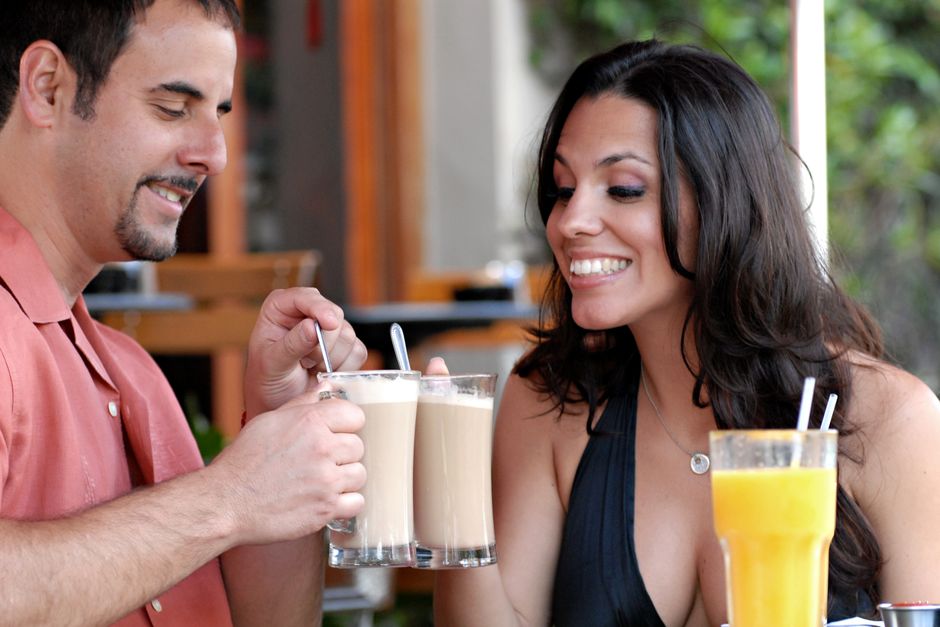
Not all beverages count equally. Coffee and tea, despite being mild diuretics, do contribute net fluid when consumed in moderate amounts — up to two cups still registers as a net positive, according to research published in the American Journal of Clinical Nutrition. Alcohol does not. A single 12-ounce beer causes the kidneys to excrete roughly 320 milliliters more fluid than the drink itself provides. Two beers at a Fourth of July cookout in Coconut Grove, without compensating water intake, puts a person into measurable deficit before the fireworks start.
The local market has responded. Coconut water sales at Presidente Supermarket locations across Hialeah and West Miami are up roughly 30 percent year-over-year according to a June trade report from the Florida Beverage Association. At the Wynwood Marketplace on NW 2nd Avenue, vendors selling agua fresca — hibiscus, tamarind, and cucumber-lime — have been selling out before 2 p.m. on weekends. These traditional drinks typically deliver natural sugars, some electrolytes, and water content in a single serving, with far less added sugar than conventional sports drinks.
The Miami-Dade Parks and Recreation Department installed 14 new hydration stations at parks including Tropical Park in Westchester and Amelia Earhart Park in Hialeah in May 2026, part of a $1.2 million heat resilience infrastructure grant. Each station is equipped with a filtered water refill spout compatible with standard reusable bottles. The department's Heat Ready Miami initiative also flags cooling centers — 37 locations countywide, open daily through September 30 — where residents can rehydrate indoors between noon and 5 p.m., historically the deadliest window for heat illness.
For practical guidance heading into the rest of summer: carry a minimum 32-ounce insulated bottle whenever you leave home, set a phone reminder to drink every 45 minutes if you're outside, and treat thirst as a lagging indicator, not a timely one. By the time you feel thirsty in Miami in July, you're already behind. Anyone experiencing persistent headache, confusion, or dark-colored urine should consult a local medical professional immediately — those are not symptoms to wait out. The heat is not going anywhere before October.
About this article
Published by The Daily Miami
Spread the word
Daily brief
Free, in your inbox before 7am. Weekdays.
The Daily Network — local news across Australia