wellness
Miami Experts Reveal: 90-Minute Pre-Sleep Routine Beats Sleep Duration
Researchers say the 90 minutes before bed matter more than how long you sleep, and Miami's wellness community is finally paying attention.
How we reported this
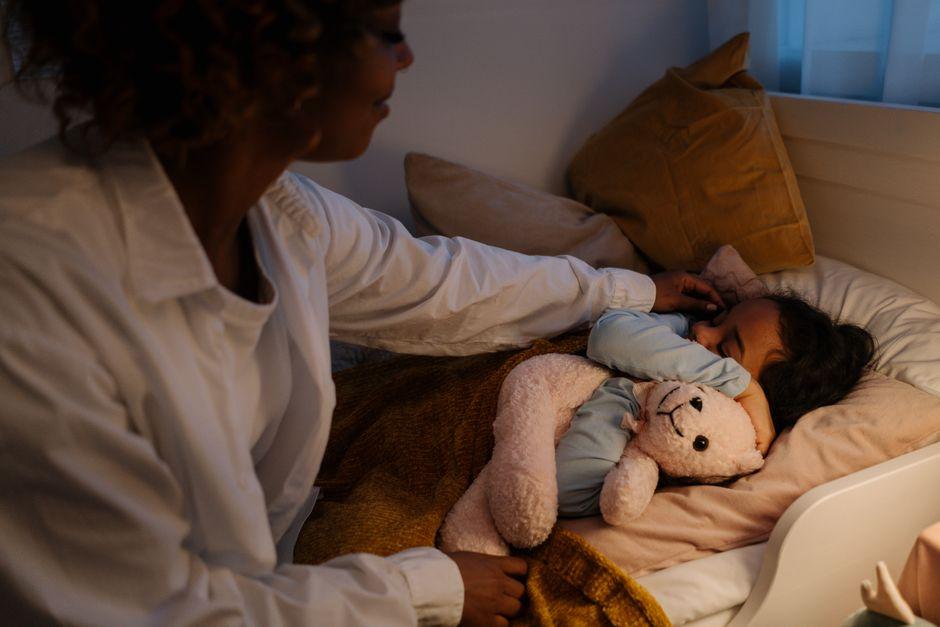
Most South Florida adults are sleeping fewer than seven hours a night. The CDC has flagged Miami-Dade County consistently in its short-sleep surveillance data, with roughly 38 percent of county residents reporting insufficient sleep, a figure that tracks above the national average of 35 percent. Sleep scientists now argue the fix isn't an earlier bedtime. It's what happens in the hour and a half before you lie down.
That 90-minute window, sometimes called the "sleep pressure runway" in circadian research, is when your core body temperature needs to drop, cortisol has to stop spiking, and blue-light exposure should already be history. Miami's heat, its restaurant culture that keeps kitchens running past midnight on Brickell Avenue, and the ambient glow off Biscayne Bay don't make any of that easy. But sleep medicine specialists at the University of Miami's Miller School of Medicine, which runs a dedicated sleep disorders clinic on NW 14th Street, say behavioral changes in that pre-bed window consistently outperform sleep aids for long-term quality.
What the Science Actually Says to Do
The core protocol, drawn from research published in the journal Sleep Medicine Reviews as recently as March 2026, involves three non-negotiables: a temperature drop, a sensory dim-down, and what researchers call "cognitive offloading", basically, getting your anxieties out of your head and onto paper before your nervous system tries to process them horizontal in the dark.
Temperature is the one Miami residents fight hardest. Setting an air conditioner to 67-69°F in the bedroom for the last 90 minutes before sleep has shown measurable improvement in sleep onset time in controlled studies, shaving an average of 22 minutes off the time it takes subjects to fall asleep. A warm shower 60 to 90 minutes before bed paradoxically accelerates the body's core temperature drop afterward, a mechanism researchers at UT Austin documented in a 2019 meta-analysis covering 5,322 subjects. The shower doesn't need to be long. Seven minutes does it.
Blue-light blocking matters, but the nuance is timing. Switching your phone to night mode at 9 p.m. is largely symbolic if you're still scrolling. The actual stimulus isn't just color temperature, it's mental arousal from content. Sleep researchers draw a hard line: screens off, not just dimmed, 45 minutes before your target sleep time.
Where Miami's Wellness Scene Is Plugging the Gap
Several local businesses have quietly built evening programming around exactly this science. Coral Gables-based studio The Salty Donut's neighbor on Giralda Avenue, Biltmore Fitness, added a 8:30 p.m. restorative yoga class in January 2026 specifically marketed as "pre-sleep parasympathetic training", language borrowed directly from sports medicine. The class caps at 12 people and sold out within its first two weeks of listing on Mindbody. Cost is $28 per session.
Across town, the Wynwood Wellness Collective on NW 2nd Avenue has been running a six-week sleep hygiene workshop since April, priced at $195 for the full program. The curriculum covers cognitive offloading journaling, magnesium glycinate supplementation timing, and room environment audits. Facilitators there stop short of giving medical advice and refer participants to Miller School's sleep clinic for anything clinical, a distinction that matters when hormones like melatonin are part of the conversation. Melatonin dosing, in particular, is widely misunderstood: most over-the-counter doses in the U.S. run between 5mg and 10mg, while the research suggests 0.5mg is often sufficient for circadian shifting.
The practical starting point for anyone in Miami is low-cost and immediate. Drop the thermostat before 10 p.m. Take a short warm shower an hour before bed. Write three unfinished thoughts on paper, not a phone note, paper, and set them aside. Skip the late espresso at Versailles Restaurant on Calle Ocho, as tempting as the ritual is after a long day in the heat. These aren't hacks. They're the boring, well-documented mechanics of a body winding down. And in a city that runs loud and late, boring might be exactly what the body ordered. Consult a sleep specialist at a local Miami clinic if problems persist beyond a few weeks of consistent routine.