Wellness
Building Psychological Resilience with Small Daily Habits
Miami's wellness community is pushing back against burnout with micro-routines that researchers say rewire the stressed brain over time.
4 min read
Wellness
Miami's wellness community is pushing back against burnout with micro-routines that researchers say rewire the stressed brain over time.
4 min read
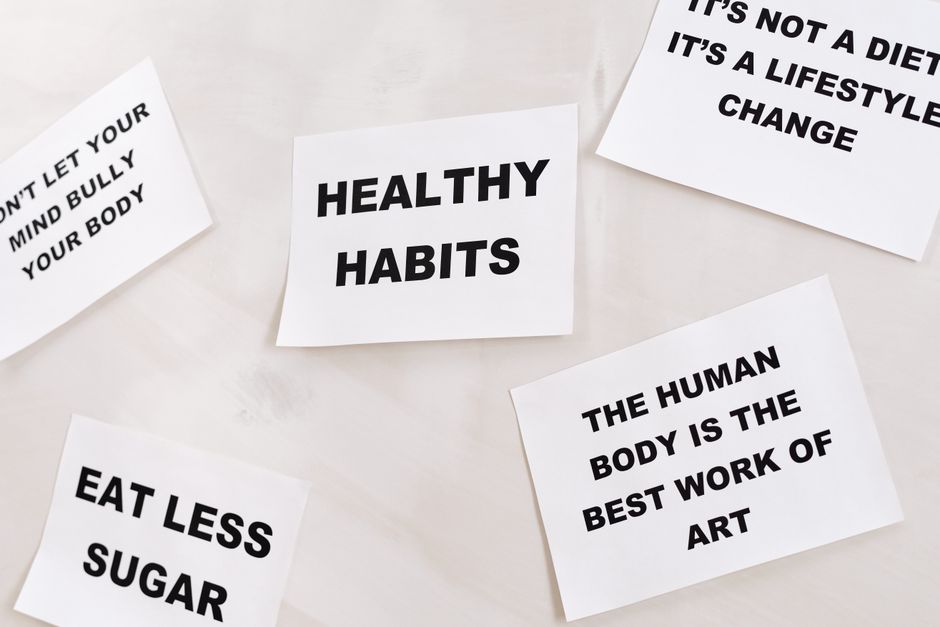
Psychological resilience doesn't arrive in a single breakthrough moment. It accumulates in five-minute increments, and Miami's mental health professionals are increasingly telling their clients exactly that. A growing body of clinical evidence supports what therapists at the Thriving Mind Miami clinic in Brickell have been recommending for the past two years: small, consistent daily practices beat intensive weekend retreats for long-term stress reduction.
The timing matters. Inflation-driven financial anxiety, a housing market that has priced many Miamians out of Wynwood and Little Havana, and a post-pandemic blurring of work-life boundaries have pushed stress levels in Miami-Dade County to measurable highs. According to a 2025 report from the American Psychological Association, 72 percent of American adults reported money as a significant source of stress, with urban renters reporting the highest rates. In Miami, where the median one-bedroom apartment now runs around $2,400 a month, that financial pressure lands hard.
Mental health researchers frame resilience not as toughness but as flexibility — the capacity to absorb difficulty and return to baseline. The practical tools to build that flexibility, it turns out, are unglamorous and accessible.
Start with breath. The Chopra Center outpost in Coral Gables runs a six-week Primordial Sound Meditation program, $295 for the full course, that anchors participants to twice-daily, ten-minute meditation sessions. Instructors there emphasize that the brain's stress-response system, the hypothalamic-pituitary-adrenal axis, begins to show measurable changes after just eight weeks of consistent mindfulness practice — a finding replicated in a landmark 2011 Harvard Medical School study led by Sara Lazar that documented gray matter increases in the hippocampus.
Physical movement is the other pillar. The Bayside Marketplace waterfront trail along Biscayne Boulevard sees hundreds of runners every weekday morning before 8 a.m. Exercise physiologists point to a 20-to-30-minute aerobic walk as sufficient to trigger a cortisol drop within the hour. Miami Parks and Recreation offers free guided sunrise walks every Saturday at Bayfront Park, a program that resumed in January 2026 after a post-hurricane scheduling gap. Free matters: accessibility determines who actually shows up consistently.
Social connection is a habit too, and one that Miami's dense, multilingual neighborhoods are particularly positioned to support. The Little Haiti Cultural Complex on Northeast 2nd Avenue hosts weekly community events where mental health outreach workers from the nonprofit Citrus Health Network staff informal drop-in tables. The approach is low-barrier by design — no appointment, no insurance required for a first conversation.
Researchers who study behavioral change recommend what Stanford psychologist BJ Fogg calls habit stacking — attaching a new micro-behavior to something already fixed in your routine. Wake up, drink water, spend two minutes writing down one thing you're grateful for. That's it. A 2023 meta-analysis published in the Journal of Positive Psychology found that gratitude journaling practiced at least four days a week reduced self-reported anxiety scores by 15 percent over three months.
Sleep is the foundation everything else rests on. The National Sleep Foundation's 2025 data shows adults averaging fewer than six hours a night are three times more likely to report chronic stress symptoms than those getting seven or more. Miami's late-night culture — the clubs on Collins Avenue don't close until 5 a.m. — makes this particular habit genuinely countercultural. Setting a phone-down alarm at 10 p.m., thirty minutes before lights out, is the kind of small friction-reducer that sleep specialists consistently recommend.
The practical starting point for any Miamian looking to build these habits is low-cost and local. The Miami-Dade County Department of Mental Health and Substance Abuse Services maintains a resource line at 305-576-1234 and can connect callers with sliding-scale counselors across all thirty-four ZIP codes in the county. For those wanting a structured framework, the University of Miami's UHealth system launched a free eight-session Stress Resilience Workshop series in February 2026, held at the Lennar Foundation Medical Center in the Health District. The next cohort begins September 8. Registration opens July 15. Spots fill within days — sign up early.

Wellness

Wellness

Wellness

Wellness
About this article
Published by The Daily Miami
Spread the word
Daily brief
Free, in your inbox before 7am. Weekdays.
The Daily Network — local news across Australia