Wellness
Miami Doubles Down on Senior Fitness With Free Council-Backed Programs
City-funded classes in parks and community centers aim to keep older residents healthy, active and socially connected.
3 min read
Wellness
City-funded classes in parks and community centers aim to keep older residents healthy, active and socially connected.
3 min read

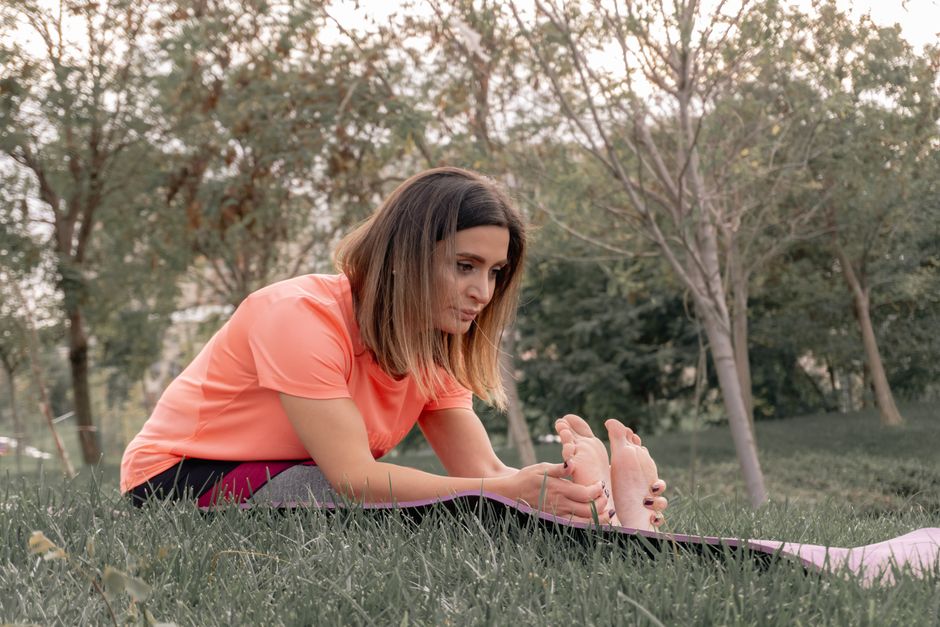
Every Tuesday morning by 8 a.m., a group of seniors stretches in unison on Margaret Pace Park’s east lawn, music softly playing as Biscayne Bay shimmers nearby. These early risers aren’t paying a cent for the hour-long movement class — it’s one of dozens now offered free across Miami, thanks to a push by the City Commission to improve senior health.
This matters now more than ever. Miami-Dade County’s population over age 60 is rising fast, expected to top 600,000 by 2030, according to the United States Census. The city’s own Health Equity Report, updated in February, found older adults face outsized risks from isolation, heatwaves and chronic conditions that can be eased by regular activity. The council-funded programs are designed to break down the barriers that keep many older Miamians away from gyms and wellness studios: high cost, lack of transport, and fear of standing out.
The City of Miami’s Parks and Recreation Department rolled out its expanded lineup of classes in April. Participants, all aged 60 and up, can walk in to Zumba Gold every Thursday at José Martí Park (on SW 4th Street) or attend morning tai chi beneath the palms at Legion Park in the Upper East Side. Organizers say the aim is as much about building social ties as burning calories. The Little Havana Activities and Nutrition Center, a longtime pillar on Flagler Street, has also joined forces with the city to host gentle yoga and strength training in a newly renovated studio.
Attendance is up. According to city records shared at a recent Parks Committee meeting, more than 1,800 unique seniors took part in council-funded fitness programs between April and June of this year, a 45% increase from the same period in 2025. Residents save on average $40 to $80 monthly compared to private fitness studios. For many, that sum makes the difference between joining in and staying home. Most classes are drop-in, no pre-registration required, and take place in venues accessible via the city’s trolley or Metrorail lines.
Miami officials say more offerings are coming. According to the city budget, $750,000 has been earmarked for senior health and fitness for fiscal year 2026, with plans to expand programming to additional neighborhoods including Liberty City and Coral Way. Outreach staff are distributing printed schedules at local libraries, churches, and pharmacies to make sure word gets to residents who might not use a smartphone.
For seniors or family members curious about the programs, the city maintains a current listing of free fitness classes at miamigov.com/parks-recreation. Experts from Jackson Memorial’s Healthy Aging Initiative recommend older adults check with their healthcare provider before starting a new exercise routine — but emphasize that any movement is better than none. In a city where summer heat and cost of living can make exercise difficult to access, Miami’s expanded, council-backed fitness initiative gives older residents more chances to stay strong, engaged and healthy, without breaking the bank.
About this article
Published by The Daily Miami
Spread the word
Daily brief
Free, in your inbox before 7am. Weekdays.