Wellness
The Rise of Outdoor Boot Camps: What to Expect
Group fitness is moving off the gym floor and onto Miami's waterfronts, parks, and parking lots — here's what first-timers need to know before they show up.
4 min read
Updated 1 h ago
Wellness
Group fitness is moving off the gym floor and onto Miami's waterfronts, parks, and parking lots — here's what first-timers need to know before they show up.
4 min read
Updated 1 h ago
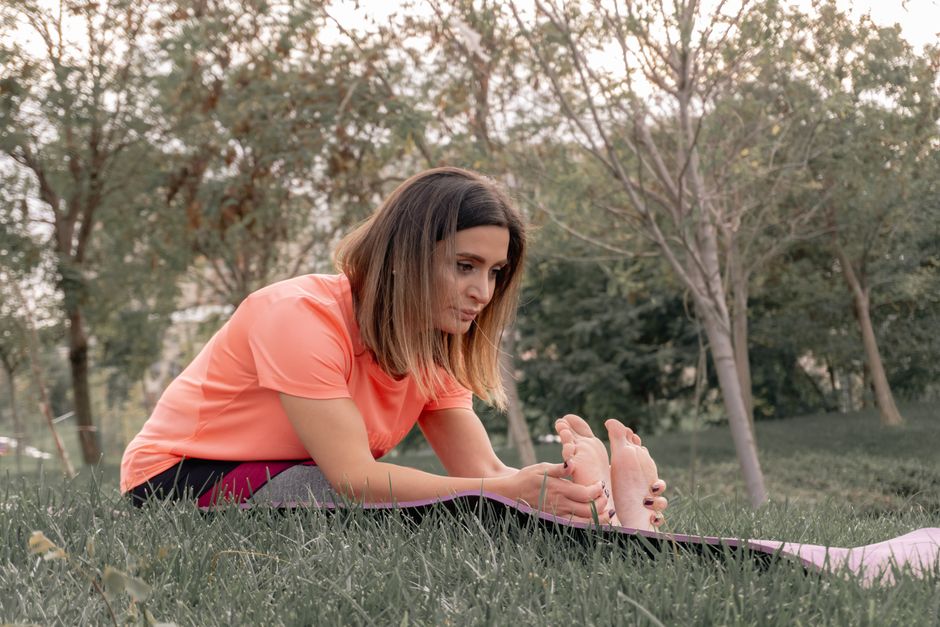
Sunrise sessions at Bayfront Park are drawing crowds that would have embarrassed many indoor studios two years ago. On any given weekday morning, dozens of participants — some fresh off night shifts in Brickell, others commuting in from Hialeah — spread across the grass for 45-minute outdoor boot camps that combine interval sprints, bodyweight circuits, and occasional burpees facing the bay. The trend isn't accidental. Miami's outdoor fitness scene has accelerated sharply in 2026, and boot camps are leading the surge.
The timing connects to something broader. Gyms raised membership rates significantly after 2024's post-pandemic construction boom drove up commercial rents across Miami-Dade County. Meanwhile, city officials expanded usable green space along the Underline — the 10-mile linear park running beneath the Metrorail corridor — making South Miami and Coconut Grove genuinely viable workout destinations without a car. When the infrastructure improves and indoor costs climb, people move outside. That's the simple math behind what's happening right now.
Several established operators have planted flags around the city. Body By Miami, which started running Saturday sessions at Virginia Key Beach Park in 2023, now offers five mornings a week and has a waitlist for its 7 a.m. slot. South Beach's Lummus Park hosts at least three competing boot camp programs on weekday mornings, run by independent certified trainers who rent permitted space from Miami Beach Parks and Recreation for roughly $150 a month. Drop-in rates for participants typically run $18 to $25 per class; monthly unlimited packages from most local operators land between $120 and $160, which undercuts most Brickell boutique studios by 30 to 40 percent.
The Underline's Brickell Backyard node, at Southwest 13th Street near the Brickell Metrorail station, has become a de facto hub for Tuesday and Thursday evening sessions. Classes there tend to draw a younger, post-work crowd — late 20s and 30s, many of them finance and tech workers — and the format typically leans harder on timed circuits than the gentler morning programs at Bayfront. Instructors are required to carry liability insurance and hold at least one nationally recognized certification, such as NASM or ACE, to operate on Miami-Dade parks permits.
First-timers often underestimate two things: the heat and the social structure. July in Miami means real-feel temperatures can hit 105°F by 8 a.m., so responsible operators cap outdoor sessions at 50 minutes, build in water breaks every 12 to 15 minutes, and require participants to bring at least 24 ounces of water. Electrolyte supplements are common, and several programs have informal partnerships with local nutrition shops in Wynwood and Coral Gables to stock product near session sites.
The social element surprises most newcomers more than the physical demand. Boot camps function as communities. Regulars track one another's progress, coordinate carpools from Kendall, and organize Saturday morning sessions that bleed into coffee at nearby spots along Calle Ocho. Research published in 2024 by the American College of Sports Medicine found that participants in group outdoor exercise reported 26 percent higher adherence rates at the six-month mark compared to solo gym-goers — a figure that tracks with what Miami instructors say they observe anecdotally about client retention.
Before signing up, check whether the program is operating under a valid Miami-Dade County parks permit — the city posts active permits on its Parks and Recreation website and cracked down on unlicensed operators in Coconut Grove last October. Wear light, moisture-wicking fabric, arrive ten minutes early to confirm the meeting point (parks are large and instructors don't always post detailed coordinates), and tell the instructor about any injuries before the warm-up begins. Most programs offer a free trial class. Use it. The format, intensity, and instructor style vary enough across Miami's outdoor fitness providers that shopping around for three sessions before committing to a monthly package is genuinely worth the time. Your knees and your wallet will both benefit from finding the right fit before you swipe your card.
About this article
Published by The Daily Miami
Spread the word
Daily brief
Free, in your inbox before 7am. Weekdays.