Wellness
Why People Are Sleeping Worse—and What to Do About It
South Floridians are tossing and turning in record numbers. Local clinics and wellness centers say screens, heat, and stress are keeping Miami awake.
3 min read
Wellness
South Floridians are tossing and turning in record numbers. Local clinics and wellness centers say screens, heat, and stress are keeping Miami awake.
3 min read

The numbers don’t lie: South Florida’s sleep deficit is deepening. At Baptist Health Sleep Center on Kendall Drive, staff report their waiting lists have doubled since 2021, reflecting a sharp uptick in Miamians struggling to log enough quality shut-eye.
The timing couldn’t be worse. Chronic sleep deprivation now sits at the heart of Miami’s booming anxiety and burnout rates. As the city’s late-night culture pushes up against relentless digital distractions, many find themselves tossing and turning well past midnight. For a population long defined by its sunrise workouts and vibrant social life, the silent epidemic of sleeplessness threatens to undercut the very essence of wellness Miami prides itself on.
Scroll down Brickell Avenue at 11 p.m. and the glow from glass high-rises and sidewalk cafes is blinding. The American Academy of Sleep Medicine’s Miami branch points to blue light from devices and urban lighting as prime culprits. "Between the humidity, rising nighttime temperatures, and our obsession with screens, good sleep has never been harder to find," says a coordinator at their Coral Way location. And it’s not just the party crowd: parents of West Miami’s middle schoolers say late-night TikTok is handily beating out lights-out in local bedrooms.
Local programs are responding. Mind Body Social, which runs monthly mindfulness sessions at The Underline park beneath the Metrorail, reports that attendance at its free pre-bedtime yoga series has doubled over the last year. Health District clinics around NW 14th Street have seen demand for cognitive behavioral therapy for insomnia (CBT-I) outstrip capacity, with group sessions booked through September. For those opting for tech, sleep tracking devices now fly off the shelves at Midtown Miami’s Target and the Miami Beach Apple Store, with models like the Oura Ring retailing for about $300.
CDC data from 2025 shows that over 36% of adults in Miami-Dade County report getting less than 7 hours of sleep per night, up from 31% just five years ago. Complaints of insomnia and restless sleep are especially common among those living near major entertainment corridors—Wynwood, South Beach, and Brickell—where nightlife keeps noise levels high after midnight. Meanwhile, the region has experienced eight nights over 82°F in June this year, making sleep even harder without blasting the AC (and facing record-high FPL bills).
Miami-Dade schools are now testing later start times at George Washington Carver Middle School in Coconut Grove, after district-wide surveys found more than half of students get less than 6 hours of sleep on school nights. While professional sleep studies at local hospitals like Jackson Health start at roughly $900 out-of-pocket, free online sleep screenings are now offered via Baptist Health’s portal.
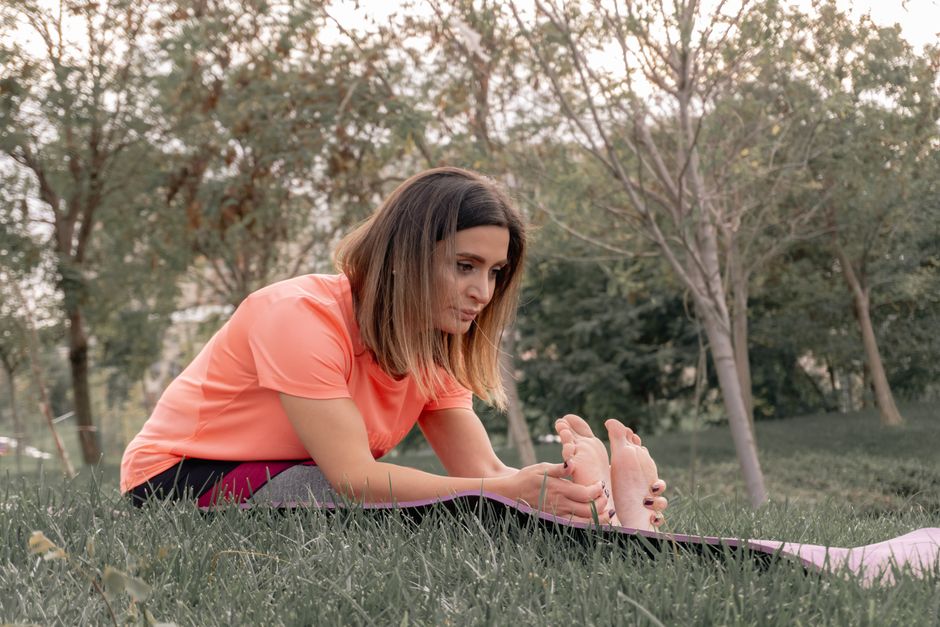
Experts point residents to practical steps: shut off screens 60 minutes before bed, keep bedrooms at or below 72°F, and wind down with mindfulness or light stretching. Try blackout curtains—the Miami Shade & Blind store on SW 8th Street reports a 30% spike in sales this summer. Community classes—like the candlelight meditation at Modern ŌM in Edgewater—draw crowds looking for low-tech solutions.
If poor sleep persists, locals should check with their primary care provider or a sleep specialist for tailored support. And yes, setting a digital curfew—especially for teens—could mean the difference between a sluggish start and truly Miami-level hustle the next day.
About this article
Published by The Daily Miami
Spread the word
Daily brief
Free, in your inbox before 7am. Weekdays.