On a sweltering Tuesday morning in the heart of Wynwood, Marta Rodriguez picked up her third espresso at Panther Coffee just after 8 a.m. For Rodriguez, a nurse who works rotating shifts at Jackson Memorial Hospital on NW 20th Street, sleep is a rare commodity. She’s one of tens of thousands of Miamians whose work hours swing wildly, making restful nights a challenge—and effective sleep strategies a necessity.
Florida’s strong service and nightlife economy demands round-the-clock staff. In Miami, home to both 24-hour hospitality hotspots like The Wharf Miami and an ever-busy PortMiami, irregular work schedules are standard for nurses, hotel workers, security guards, and ride-share drivers alike. The topic has become newly urgent as summer temperatures spike, increasing fatigue and disrupting sleep even further. Local clinics and sleep specialists report growing concern about long-term health impacts—ranging from impaired memory to higher risk for cardiovascular disease—among shift workers who never quite adjust to a regular sleep cycle.
Where Miami Turns for Sleep Help
Some Miamians are turning to dedicated resources for relief. The Sleep and Wellness Center in Coral Gables has increased its early-morning and evening appointment slots in response to growing demand. According to Julia Pérez, a registered nurse at Mount Sinai Medical Center on Alton Road, colleagues often swap tips about blackout curtains and blue-light filter apps during their late-night shifts. The City of Miami Beach even piloted a ‘Night Owl Yoga’ program at South Pointe Park last spring, offering restorative classes tailored for those clocking off at sunrise.
Sleep aid sales reflect the trend: Over-the-counter melatonin sold at Brickell pharmacies has seen a 19% jump year-on-year, pharmacists at the CVS on South Miami Avenue report. At $13 for a bottle, it’s become a modest investment for anyone desperate to reclaim some nocturnal normalcy. Miami Dade College’s Medical Campus has also launched a new digital module on sleep hygiene this term, specifically targeting its large cohort of health sciences students who juggle night clinicals and coursework.
Miami’s Numbers—and Strategies That Work
The Centers for Disease Control and Prevention estimates that 1 in 5 American workers operates outside the traditional 9-to-5. In Miami-Dade County’s most recent Community Health Assessment, over 27% of surveyed adults reported averaging less than six hours of sleep a night—well below the 7-9 hour guideline recommended for adults. Sleep specialists at the University of Miami Miller School of Medicine warn that disrupted circadian rhythms are tied to increased rates of diabetes and depression—real threats for a city where nearly 18% of adults work non-traditional hours, according to the Greater Miami Chamber of Commerce.
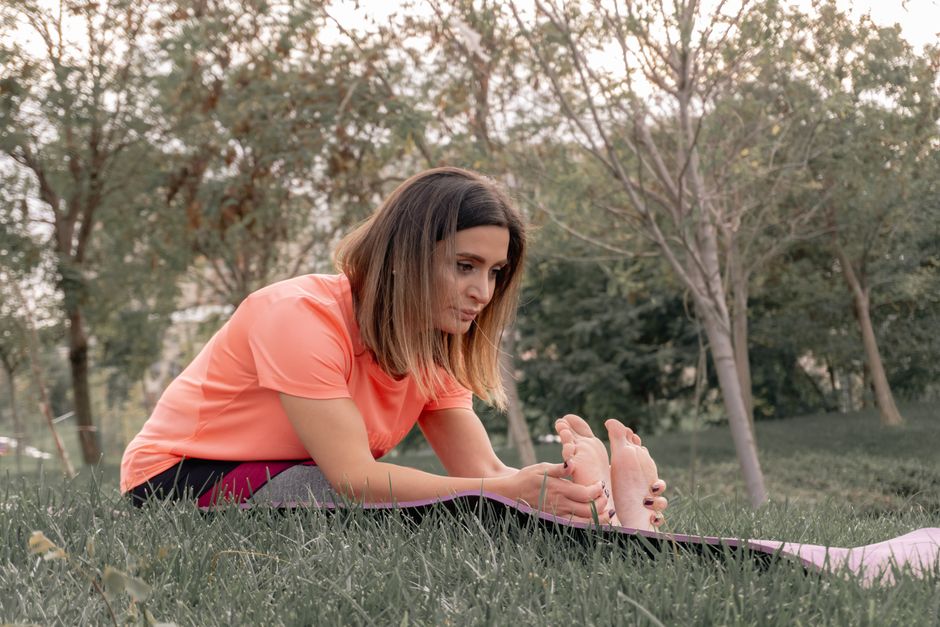
Suffering from split shifts or overnight work? Local experts recommend practical steps: schedule naps strategically (ideally no longer than 30 minutes, scheduled just before the next shift begins), keep the bedroom cool (ideally 68-70°F—no small feat during July’s record heat), and use blackout curtains, now widely available at Midtown Miami home stores for under $40. Dr. Alejandra Santos, a sleep psychologist at Mount Sinai, encourages workers to create pre-bedtime routines, even if it’s noon: tech off, lights dimmed, and ten minutes of deep breathing or gentle stretching.
Flexible work trends don’t seem to be going anywhere, and neither does Miami’s appetite for around-the-clock activity. For shift workers looking to reclaim their nights (and days), small habit changes and new local programs may make all the difference. Miami’s 24/7 workforce isn’t shrinking—but the tools to help them rest are finally catching up.