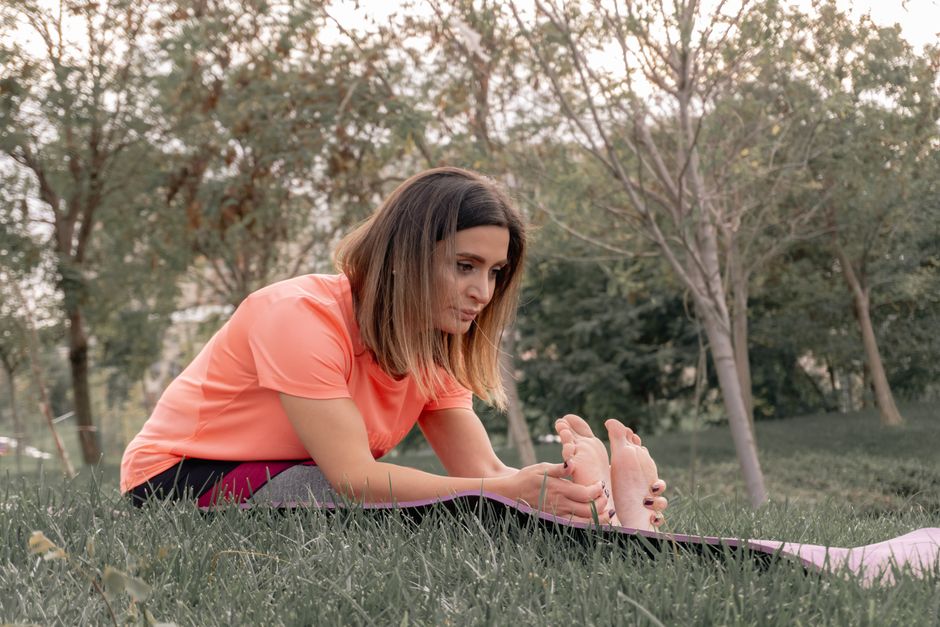
Miami-Dade County Parks, Recreation and Open Spaces is offering free group fitness classes to residents 60 and older at more than a dozen locations through September 30, 2026 — no registration fee, no gym membership, no catch. The expanded summer slate includes water aerobics, chair yoga, balance training and low-impact cardio, all staffed by certified instructors under the department's Active Older Adults program.
The timing is deliberate. Heat indices in Miami-Dade this July are already pushing past 108 degrees Fahrenheit on most afternoons, and public health officials at Jackson Memorial Hospital have spent the past two weeks urging older residents to limit outdoor exertion between 11 a.m. and 4 p.m. Free indoor and shaded programming gives seniors a structured reason to stay active without exposing themselves to dangerous conditions — a balance that independent gyms and for-profit fitness studios rarely address head-on. The council's decision to expand the program from eight sites last summer to 14 this year reflects both the demand and the demographic reality: Miami-Dade County's population aged 65 and older crossed 500,000 residents in the 2025 census estimate, roughly one in five of all county residents.
Where the Classes Are Happening
Two anchor venues are drawing the highest enrollment so far. The Robert King High Community Center at 730 NW 28th Street in Allapattah is running chair yoga every Tuesday and Thursday morning at 9 a.m., with a separate balance and fall-prevention workshop every other Friday. Enrollment in the Allapattah sessions topped 60 participants per week by mid-June, according to county scheduling data. Meanwhile, the Shenandoah Park Recreation Center on SW 17th Avenue in Little Havana is hosting low-impact aerobics and resistance band classes on Monday, Wednesday and Friday mornings, attracting a largely Spanish-speaking crowd — the department brought in bilingual instructors specifically for that site this season.
Coconut Grove's Kennedy Park, tucked along South Bayshore Drive, is running outdoor tai chi at 7:30 a.m. on weekday mornings under the shade of the park's banyan canopy, timed to beat the worst of the heat. The Tropical Park Aquatic Center near Bird Road in West Miami is offering free water aerobics at 8 a.m. and 10 a.m. Monday through Saturday, which has emerged as the most popular single offering in the program — the pool sessions filled their 40-person cap within 72 hours of the summer schedule going live on June 2.
What the Research Says About Group Exercise for Older Adults
The case for council-funded programming isn't just logistical. A 2024 meta-analysis published in the British Journal of Sports Medicine, covering 57 randomised controlled trials and more than 19,000 participants over age 60, found that structured group exercise reduced fall-related injuries by 23 percent compared with no intervention, and that adherence rates were significantly higher in community settings than in home-based programs. Cost is a major adherence factor. In Miami, a standard senior gym membership runs between $35 and $55 per month, and boutique fitness classes — even those marketed specifically to older adults — can run $20 to $30 per session. Free council programming removes that friction entirely.
Nationally, the federal Administration for Community Living's evidence-based falls prevention initiative, EnhanceFitness, provides a framework that Miami-Dade's instructors are trained to follow, meaning the classes aren't just informal stretch sessions — they meet a recognised clinical standard for strength, flexibility and balance work.
Residents interested in joining can find the full site-by-site schedule at the Miami-Dade Parks department website or by calling 311. Walk-ins are accepted at most venues, though Tropical Park's water aerobics sessions require advance sign-up given the capacity limits. For anyone with underlying joint conditions, cardiovascular concerns or recent surgery, a conversation with a primary care physician before starting any new exercise routine remains the right first step — the county program coordinators say they encourage that conversation and can provide instructor notes to share with a doctor on request.