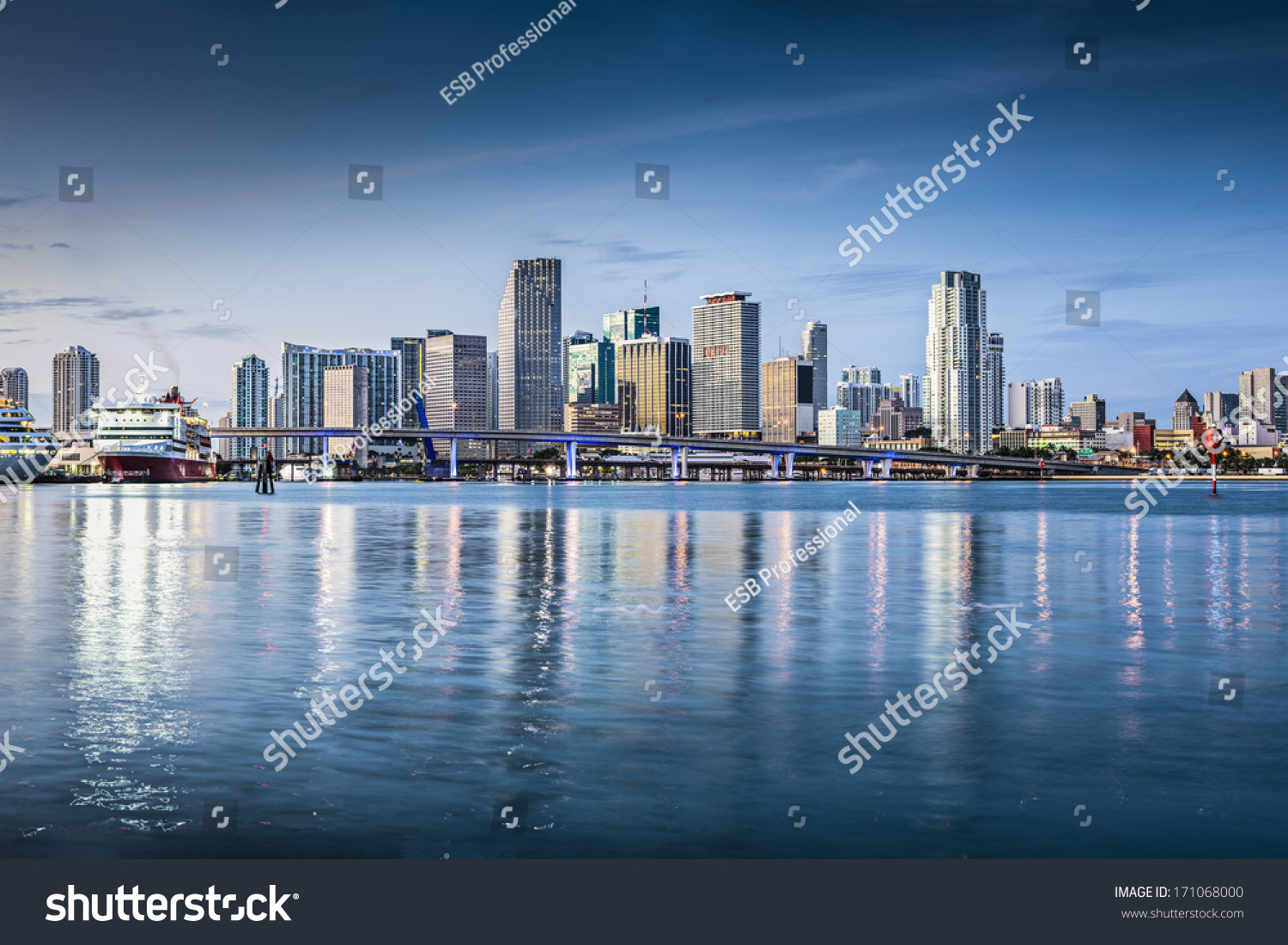
Miami residents will face a significant policy choice this November, with a proposed general obligation bond set to appear on the ballot. The measure, if approved by voters, would grant the city authority to borrow a substantial sum for a sweeping series of infrastructure projects aimed at combating the effects of sea-level rise and strengthening municipal services against extreme weather.
The initiative comes as officials grapple with the growing costs of climate adaptation. Increased instances of tidal flooding in low-lying neighborhoods, from Shorecrest to West Coconut Grove, have strained existing drainage systems. At the same time, the rising cost of flood insurance and concerns over long-term property values have intensified calls for large-scale public investment. The proposed bond is the city administration’s primary strategy for funding these upgrades, shifting the financial model from piecemeal repairs to a comprehensive, multi-year capital plan.
Cost for Taxpayers, Protection for Neighborhoods
For the average Miami homeowner, the most direct impact would be on annual property tax bills. If the bond measure passes, the city would repay the borrowed funds over several decades through an adjustment to the property tax millage rate. While the exact increase would depend on final interest rates and property assessments, officials expect a noticeable rise. Proponents argue this is a necessary investment to protect the city’s economic base and prevent far costlier emergency repairs and property losses in the future.
The funds are earmarked for specific categories of projects that would change the physical landscape of many communities. The plan includes financing for new and enhanced seawalls along the Miami River and parts of Biscayne Bay, the installation of high-capacity water pumps in flood-prone areas like Brickell, and the elevation of critical roads and infrastructure. For businesses in vulnerable commercial corridors, these upgrades are projected to reduce costly operational disruptions. For residents, it could mean fewer impassable streets during king tides and heavy rains. Critics of the measure, however, have raised concerns about the overall debt burden on the city and questioned whether the proposed projects will provide equitable protection across all neighborhoods.
The Path Forward
The city's preliminary project list, outlined in planning documents supporting the referendum, prioritizes dozens of sites identified by engineers as critically vulnerable. These include upgrades to stormwater drainage systems citywide, shoreline fortification, and improvements to public parks to increase their capacity to absorb water. The plan represents one of the most significant single investments in climate resilience in the city’s history.
Between now and November, residents can expect a robust public debate. Supporters, including a coalition of business groups and environmental advocates, are preparing an information campaign focused on the urgency of the threat and the long-term economic benefits of acting now. Opposition groups are expected to focus on fiscal responsibility and the direct impact on taxpayers, particularly those on fixed incomes. The outcome of the vote will set the course for Miami’s infrastructure and fiscal policy for the next generation, determining whether the city embarks on a major new phase of construction to hold back the water.