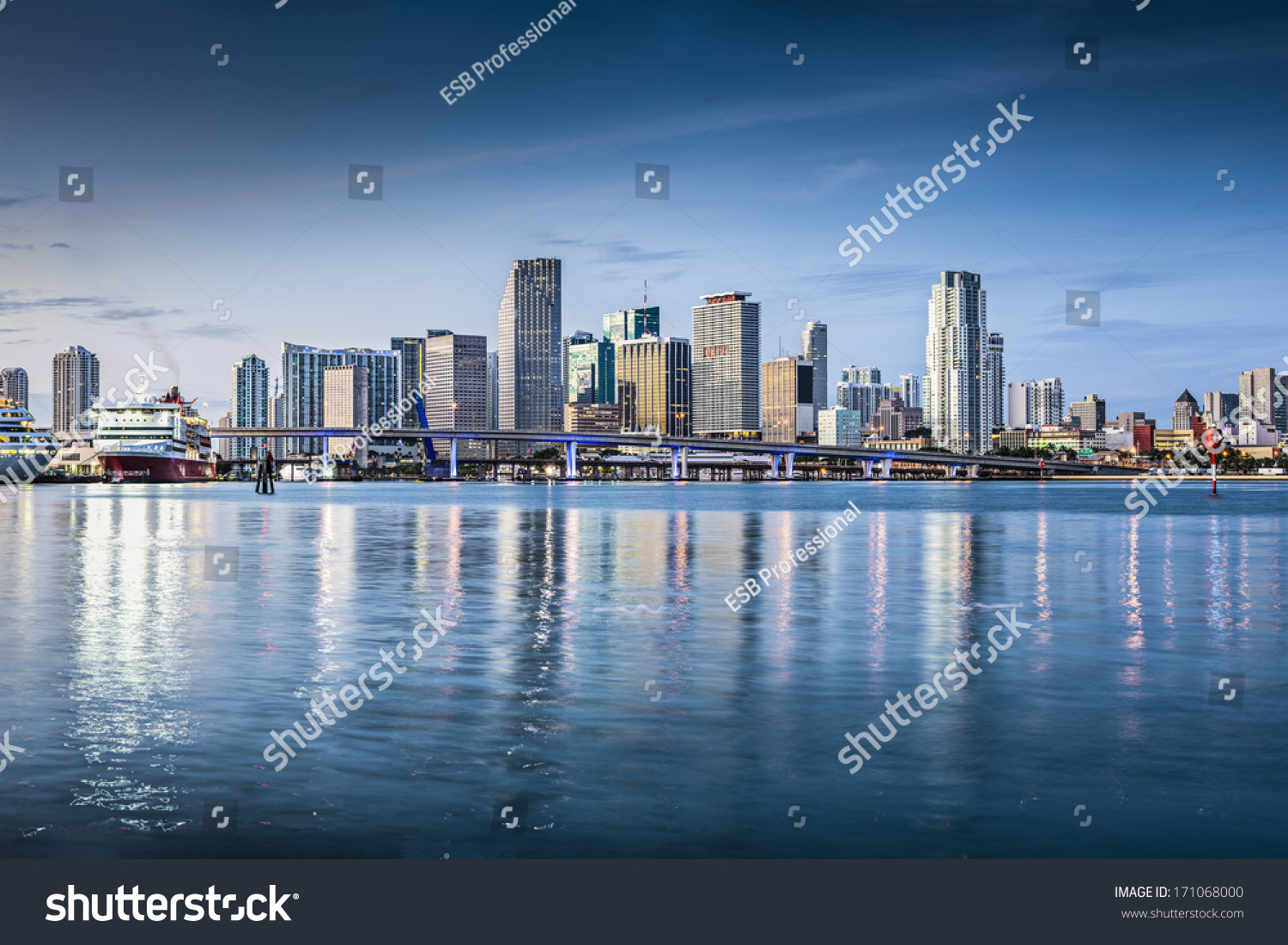
MIAMI, The Miami City Commission greenlit a series of significant zoning and funding measures this week, setting the stage for new development in the Allapattah neighborhood and channeling new capital into the city’s climate resilience infrastructure. The votes, taken during a lengthy public session, directly address Miami’s dual pressures of housing affordability and the urgent need for coastal protection, with tangible consequences for local jobs, public services, and neighborhood landscapes.
These decisions follow months of review by the city’s Planning, Zoning & Appeals Board and extensive public comment. Officials have framed the policy package as a necessary step to manage the city’s rapid growth and prepare for long-term environmental challenges. The measures aim to encourage private development in targeted transit corridors while using public funds to harden city infrastructure against the impacts of sea-level rise.
New Development and Service Contracts
For residents and business owners in Allapattah, the most immediate change will come from the approved upzoning of several commercial corridors near the Metrorail line. The new zoning code permits the construction of denser, mixed-use buildings with residential units above ground-floor retail. City planning documents project this will create opportunities for hundreds of new housing units and stimulate local business growth. The policy is expected to generate a wave of construction sector jobs in the short term, followed by permanent positions in retail and services.
In a separate but related move, the commission also approved a new city-wide municipal waste collection contract. The agreement, awarded to a new provider after a competitive bidding process, will alter garbage and recycling pickup schedules for many residential areas starting in the fall. According to the Department of Public Works, the new contract is designed to improve efficiency and includes updated requirements for recycling sorting, part of the city’s broader sustainability goals under its Climate Ready Miami plan.
Funding Coastal Defense Infrastructure
A central piece of the commission's agenda was the authorization of a new series of municipal bonds to finance coastal resilience projects. This measure allocates significant funding toward the reinforcement and elevation of seawalls, particularly along vulnerable stretches of the Miami River and parts of the Brickell bayfront. These projects are a continuation of efforts funded by the Miami Forever Bond, a voter-approved initiative from 2017 to combat climate change impacts.
The work involves complex engineering and is designed to protect low-lying neighborhoods and critical public infrastructure from tidal flooding and storm surge. While the exact amount of the bond issue will depend on market conditions at the time of sale, officials state the funds will cover the next phase of the city’s multi-year adaptation strategy. These infrastructure upgrades are expected to create specialized marine construction and engineering jobs over the next several years.
With the approvals in place, the city’s Department of Planning and Zoning will now begin processing development applications under the new Allapattah code. Meanwhile, the Department of Resilience and Public Works is slated to start detailed surveying and engineering design for the seawall projects. Residents can expect to see initial construction and the new sanitation service schedules implemented over the next 12 to 18 months.