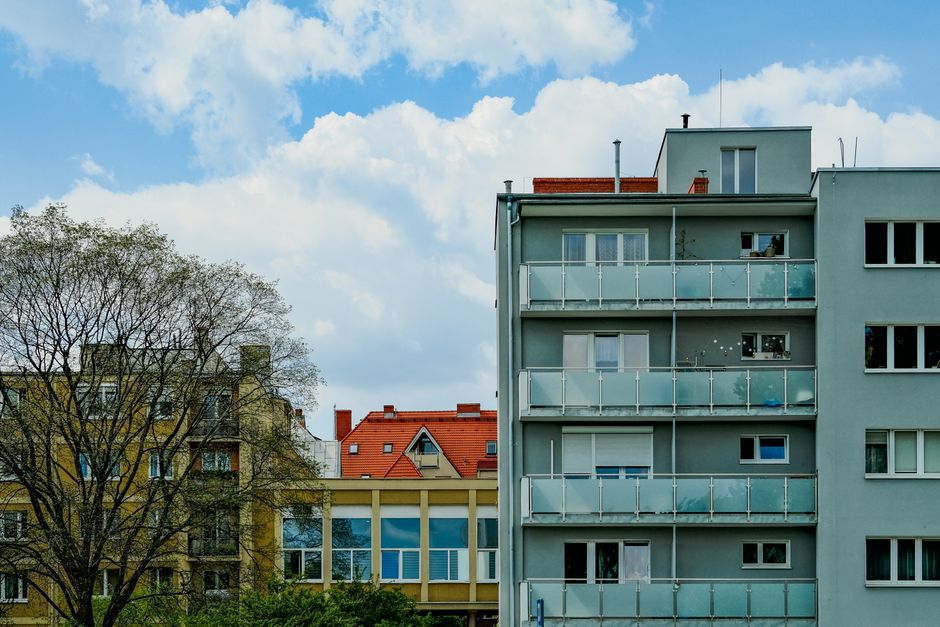
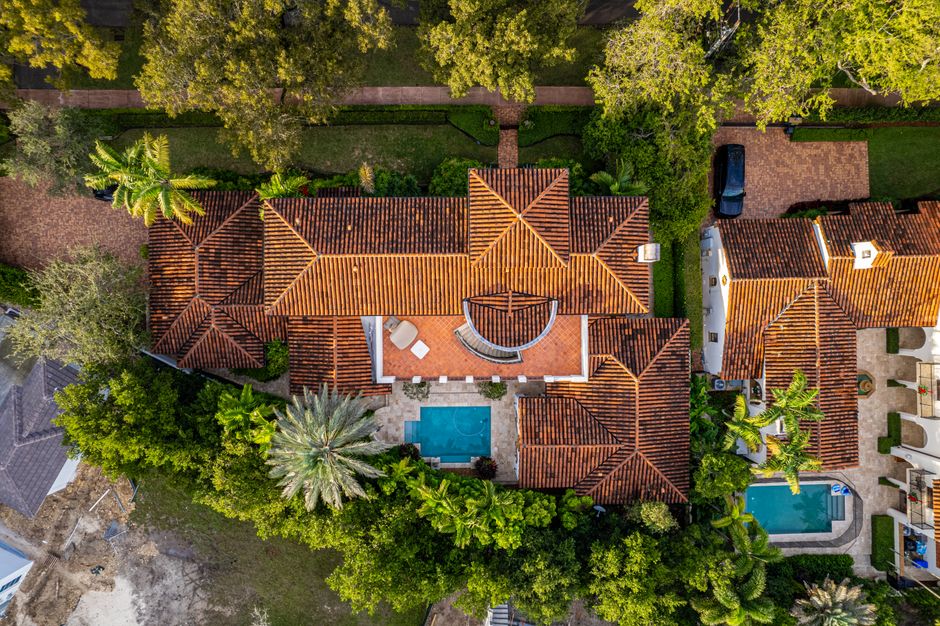
The City of Miami Commission late Thursday voted 4-1 to approve a package of zoning reforms aimed at boosting allowable density and reining in the look of new buildings in key neighborhoods. The changes, which take effect August 1, will loosen height and unit-count restrictions along major transit corridors and add new design standards meant to shield streets from sweltering summer heat.
The overhaul arrives as Miami juggles explosive growth, persistent housing shortages, and a new era of weather extremes. With Miami-Dade’s median single-family home price hitting $655,000 in June—up 12% year-on-year, according to the Miami Association of Realtors—planners and developers have been pressuring City Hall to let them build up, not out.
Brickell, Little Haiti Top the List
Two neighborhoods stand to change fastest. By the fall, properties along SW 8th Street in Brickell and segments of NE 2nd Avenue in Little Haiti can host towers as tall as 25 stories, rising from the previous 12-to-18 floor limits. The new zoning also eliminates minimum-parking requirements within a half-mile of Metrorail and Metromover stations, opening the door for slimmer, more walkable developments on narrow sites. “We’re finally aligning land use with our world-class transit investments,” said a Miami-Dade County planning official, speaking after the vote.
Some of the earliest projects likely to benefit are Midtown East, Related Group’s 28-story mixed-use plan rising next to the School Board Metrorail station, and a new high-rise submitted by Terra Group for the old Magic City Innovation District parcel in Little Haiti. Developers will now have to meet new design criteria, including 10-foot-wide sidewalk shade canopies and reflective materials above the fifth floor, to blunt the heat for pedestrians.
Density, Design, and Data
The city’s planning department projects the reforms could add more than 9,000 net new housing units over the next five years, with at least 2,600 designated as “affordable” or “workforce” per the requirements attached to the upzoned parcels. The code revision also mandates that projects over 100 units must submit a climate impact analysis—a city first—estimating storm surge resilience and energy consumption. In recent public hearings, both the Miami Downtown Development Authority and the Upper Eastside Neighborhood Association raised concerns about increased traffic and shadow impacts; the final package folded in stricter setbacks and new requirements for street-facing landscaping to soften the blow.
Developers will now pay a per-unit linkage fee that funds local park improvements, set this year at $1,650 per new unit. The city expects this will raise an additional $7.1 million annually for green space upgrades, starting from 2027, according to budget documents reviewed by The Daily Miami.
For Miami’s residents and real estate players, the new rules mean a rush of permit activity over the next 18 months. The planning department’s online portal will begin accepting applications under the new zoning code on August 15. Owners of parcels on SW 1st Avenue and North Miami Avenue may want to consult with architects and zoning attorneys—especially as city staff say design and climate-review requirements will stretch project approvals by an estimated 8–10 weeks per application. Anyone looking to build above the base height limits must still go before the Urban Design Review Board for final sign-off. That’s likely to make the fall calendar at City Hall busier than ever as Miami’s development boom enters a new vertical era.