Property
Miami Home Prices Up 6.2% From Last Year, But Q2 Growth Slows Sharply
Year-over-year gains still outpace most major U.S. markets, but the quarterly momentum that defined 2025 has quietly stalled.
4 min read
Updated 1 h ago
Property
Year-over-year gains still outpace most major U.S. markets, but the quarterly momentum that defined 2025 has quietly stalled.
4 min read
Updated 1 h ago
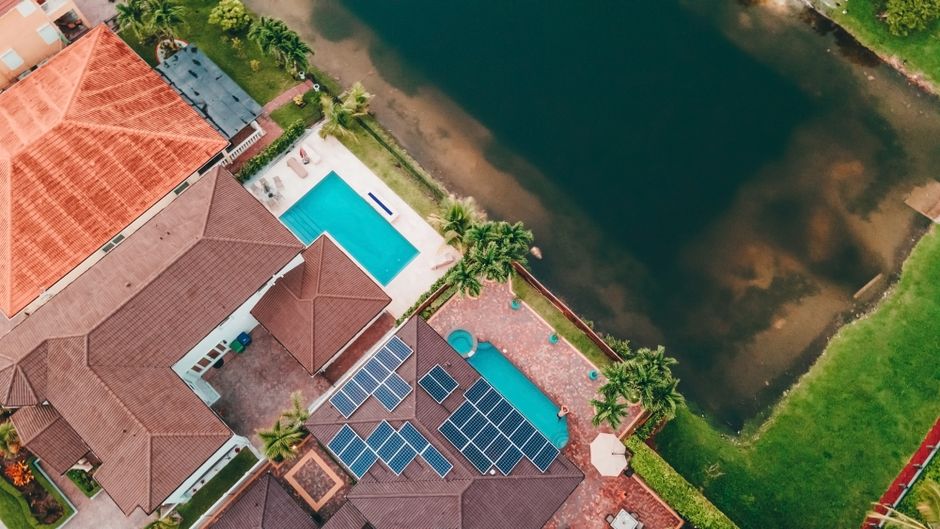
Miami-Dade County single-family home prices hit a median of $682,000 in the second quarter of 2026, up 6.2 percent from the same period last year — but that headline figure obscures a more complicated story unfolding neighborhood by neighborhood. Quarter-over-quarter, the gain was just 0.8 percent, the weakest three-month stretch since early 2023, according to figures compiled by the Miami Association of Realtors through June 30.
That matters today, on the Fourth of July weekend, because the holiday weekend traditionally marks the informal opening of Miami's late-summer buying window — the months when snowbird money sits on the sidelines and local buyers, often priced out of Coconut Grove and Coral Gables during peak season, make their move. The gap between strong annual comparisons and slowing quarterly momentum tells buyers and sellers something very different about where leverage sits right now.
Insurance costs are the most frequently cited culprit. A standard homeowner's policy on a $650,000 single-family house in Palmetto Bay or Pinecrest now runs between $18,000 and $24,000 annually, depending on construction year and proximity to flood zones — a figure that has effectively added a second mortgage payment for some buyers. The Florida Office of Insurance Regulation reported in May that average residential premiums statewide rose another 11 percent in the 12 months ending March 2026, the third consecutive year of double-digit increases.
Inventory is also creeping up. Active listings in Miami-Dade stood at roughly 14,800 in June, compared to 11,200 in June 2025 — a 32 percent jump that is handing buyers more negotiating room than they have had in years. Brickell and Edgewater, where the condo pipeline has delivered thousands of new units since 2024, are seeing the sharpest inventory build. A two-bedroom unit in one Edgewater tower that listed at $895,000 in March sat on the market for 74 days before closing at $851,000 last month.
The single-family market in neighborhoods like South Miami and the Roads district is holding up better. Median prices there edged up about 4 percent quarter-over-quarter even as the broader county figure barely moved, reflecting constrained supply in established low-rise pockets where new construction is nearly impossible. Wynwood's residential fringe — the blocks just north of NW 29th Street — has seen a cluster of gut-renovated homes trading above $1.1 million, up from roughly $960,000 in Q2 last year.
Above $2 million, deals are still getting done, but at a slower cadence. The Miami Beach luxury segment logged 47 single-family closings in Q2 2026, down from 61 in Q2 2025, per data from the Multiple Listing Service. Star Island and La Gorce remain the benchmarks: a waterfront teardown on Star Island changed hands in May for $22.5 million, while a renovated mid-century on La Gorce Drive sold for $8.3 million in late April. Those are not distress figures, but the 90-plus-day list times attached to many of those deals signal that seller pricing expectations and buyer willingness are still being negotiated in real time.
The broader U.S. context is relevant. While Washington D.C. and Philadelphia are dealing with a heat emergency that has cancelled major public events this Fourth of July weekend, Miami's July heat is old news — and historically has never slowed real estate paperwork much. What does slow it is rate anxiety. The 30-year fixed mortgage rate is hovering around 6.7 percent nationally, and many Miami buyers using jumbo financing are paying closer to 7.1 percent.
For buyers thinking about the next 90 days: the data suggests more negotiating room than the annual price figures imply. Sellers who priced based on the 2025 peak are adjusting. Targeting properties that have been listed since early May — particularly condos in Brickell with HOA fees above $1,200 a month — may yield reductions of 4 to 6 percent off ask. For sellers, the annual gain is still real and still strong by national standards, but waiting for another leg up before listing carries more risk than it did a year ago.
Property
Property
Property

Property
About this article
Published by The Daily Miami
Spread the word
Daily brief
Free, in your inbox before 7am. Weekdays.