Miami's residential real estate market posted an 8.3 percent year-over-year price increase in the second quarter of 2026, outpacing both the national average of 4.1 percent and Miami's own Q2 2025 figure of 5.7 percent, according to data compiled by the Miami Association of Realtors. The median sale price for a single-family home across Miami-Dade County hit $672,000 in June, up from $620,500 in the same month last year.
The numbers land on July 4th — a holiday when much of the eastern seaboard has canceled outdoor events due to record heat, including street festivals in Washington D.C. and Philadelphia — but Miami's brokers have spent the week fielding calls rather than lighting fireworks. The market's performance matters precisely because this time last year, most analysts were bracing for a cooling cycle. Mortgage rates were hovering near 7.2 percent, inventory was ticking up, and the consensus forecast pointed to flat or modestly negative quarterly growth heading into late 2025. None of that happened.
Where the Gains Are Landing
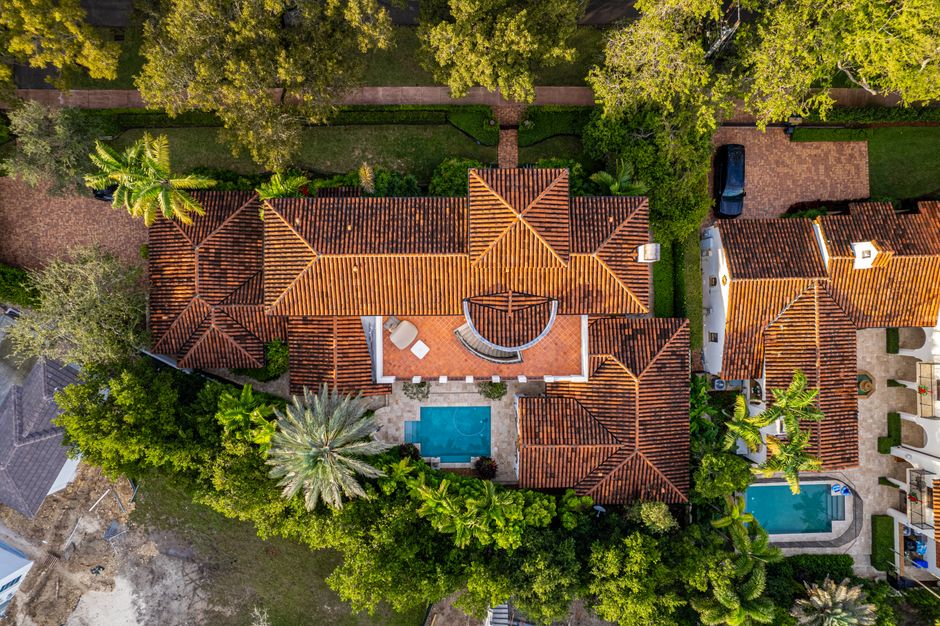
The sharpest appreciation is concentrated in Brickell, where the median condominium price crossed $1.1 million in Q2 2026, a 14 percent jump from Q2 2025's $965,000 median. The Brickell City Centre residential towers have seen multiple resale closings above $1,400 per square foot since April. Coral Gables posted the biggest single-family gains in the county — a 17 percent year-over-year increase — with homes on tree-lined streets near Miracle Mile selling in an average of 23 days, roughly half the time they sat on the market in June 2025.
Wynwood and the Upper Buena Vista corridor are a different story. Prices there rose a more modest 5.1 percent year-over-year, dragged by a 22 percent surge in new condo listings that gave buyers unusual leverage. Some sellers on NE 2nd Avenue accepted offers 4 to 6 percent below asking — a concession pattern that was nearly absent from that neighborhood eighteen months ago.
The Miami Downtown Development Authority flagged in its June briefing that office-to-residential conversion projects along Flagler Street are beginning to feed fresh inventory into the downtown core, with three buildings totaling roughly 480 units expected to reach the market before December 2026. That pipeline is worth watching. It hasn't cooled prices yet, but it represents the largest single addition of central downtown inventory since the post-pandemic building surge of 2021 and 2022.
What's Driving the Numbers
Two forces are doing most of the work. First, net in-migration into Miami-Dade County remains elevated. The U.S. Census Bureau's most recent county estimate, released in March 2026, put annual net domestic migration at roughly 18,400 people — lower than the peak years of 2021 and 2022 but still historically high. Second, mortgage rates have eased. The 30-year fixed rate averaged 6.41 percent in June 2026, according to Freddie Mac, down from 7.18 percent in June 2025. That drop translates to several hundred dollars less per month on a $672,000 purchase, which has pulled buyers off the sidelines who had been renting in Edgewater and Midtown waiting for conditions to improve.
Cash transactions remain a defining feature of Miami's market. The Miami Association of Realtors recorded that 41 percent of Q2 closings involved no mortgage financing — a proportion that continues to separate South Florida from most other major U.S. markets and insulates local prices from rate fluctuations that would hammer demand elsewhere.
For buyers watching from the sidelines, the next pivot point comes in September, when the Federal Reserve meets and the latest inventory data will clarify whether the Flagler Street conversions and a handful of large Edgewater projects are landing fast enough to soften the pace of appreciation. Sellers in Coral Gables and Brickell who have been waiting for the right moment should note that Q3 historically softens slightly as hurricane season focuses minds. The gap between Q2 and Q3 performance has averaged 2.3 percentage points over the past five years in Miami-Dade — not a collapse, but a window that patient sellers may want to move ahead of.