Property
Miami Real Estate Market: How 2026 Compares to the 2021 Boom
Soaring interest rates and steady price corrections have redrawn the map for buyers and sellers from Brickell to Coconut Grove.
3 min read
Property
Soaring interest rates and steady price corrections have redrawn the map for buyers and sellers from Brickell to Coconut Grove.
3 min read
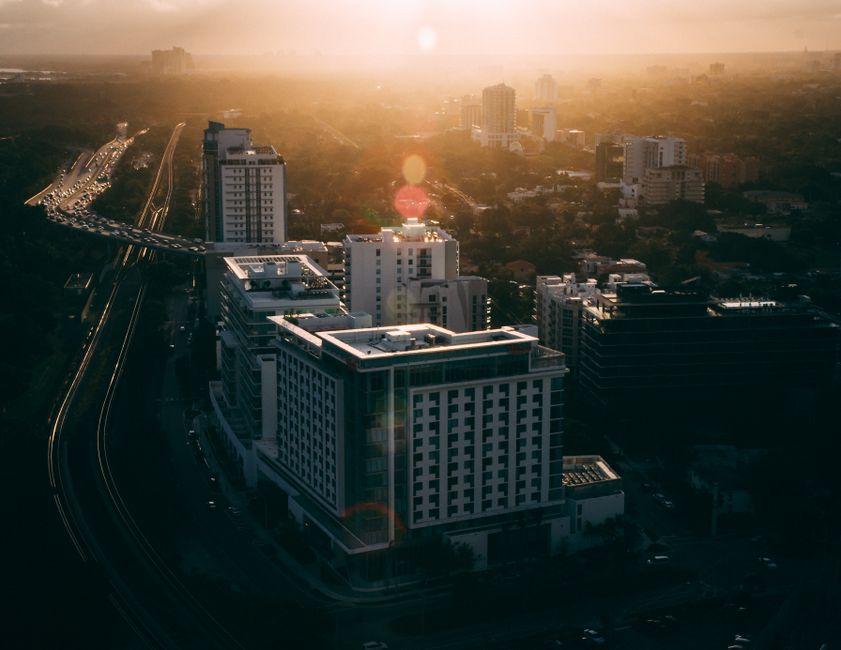
Home prices in Miami-Dade slipped 6% in the twelve months ending June 2026, marking the sharpest annual decline since the extraordinary boom of 2021.
This shift matters for residents, investors and developers who spent the last five years navigating head-turning price spikes and, more recently, a rapid normalization. Buyers chasing the post-pandemic frenzy in Edgewater and Coral Gables now face a very different set of calculations in a cooled market where balance is starting to return, but sticker shock lingers.
Back in 2021, bidding wars broke out daily in neighborhoods like Shenandoah and the Upper East Side, with single-family homes routinely selling within 72 hours and for 25% above asking. At the time, the average sales price for a Miami single-family home peaked near $570,000, according to data from Miami Realtors. Fast forward to July 2026: the median price stands at $532,000, with months of supply rising above 5. Condo resale activity has been especially choppy in towers near the Vizcaya Museum & Gardens, where international investment once drove up closing prices but now faces headwinds from volatile currency markets and new financing hurdles.
Several factors are weighing on market sentiment. The Federal Reserve’s benchmark rate remains above 5.25%, ratcheting up mortgage costs for most buyers. At the same time, developers like Related Group have paused launches in formerly red-hot zones around Wynwood, as demand normalizes and debt service eats at margins. While closed sales in the Brickell corridor dropped 9% year-on-year in Q2, ground-floor rents in retail spaces on Miracle Mile are holding firm, underscoring an ongoing disconnect between residential and commercial momentum.
The cooling trend, while notable, is far from a crash. Inventory in Miami-Dade remains below pre-pandemic levels, and pockets like Miami Beach and Bal Harbour continue to attract cash-abundant buyers, many from Latin America looking to hedge against instability at home. According to Zillow, as of June 2026, Miami’s median days on market is 29, up from just 10 at the peak of 2021’s frenzy but still below historical averages.
For those hoping to buy or sell, flexibility is critical. Agents with Compass and Coldwell Banker both report increased price negotiations and a sharp decline in sight-unseen offers, particularly for properties over $1 million. The county’s July report shows the percentage of sales closing below list price is now 48%—double what was seen five years ago during the boom.
The next few quarters could see continued softness, especially as hurricane season and global economic jitters play out. For now, experts advise buyers to be patient and sellers to calibrate expectations to today’s slower pace. The Miami market may never return to the frothy chaos of 2021, but after years of wild swings, that may come as a relief for many.
Property

Property

Property

Property
About this article
Published by The Daily Miami
Spread the word
Daily brief
Free, in your inbox before 7am. Weekdays.
The Daily Network — local news across Australia