Property
How Much Rent Is Too Much? The 30% Rule in Practice in Miami
In Miami’s high-priced rental market, what does the classic affordability threshold really mean for tenants today?
3 min read
Updated 1 h ago
Property
In Miami’s high-priced rental market, what does the classic affordability threshold really mean for tenants today?
3 min read
Updated 1 h ago
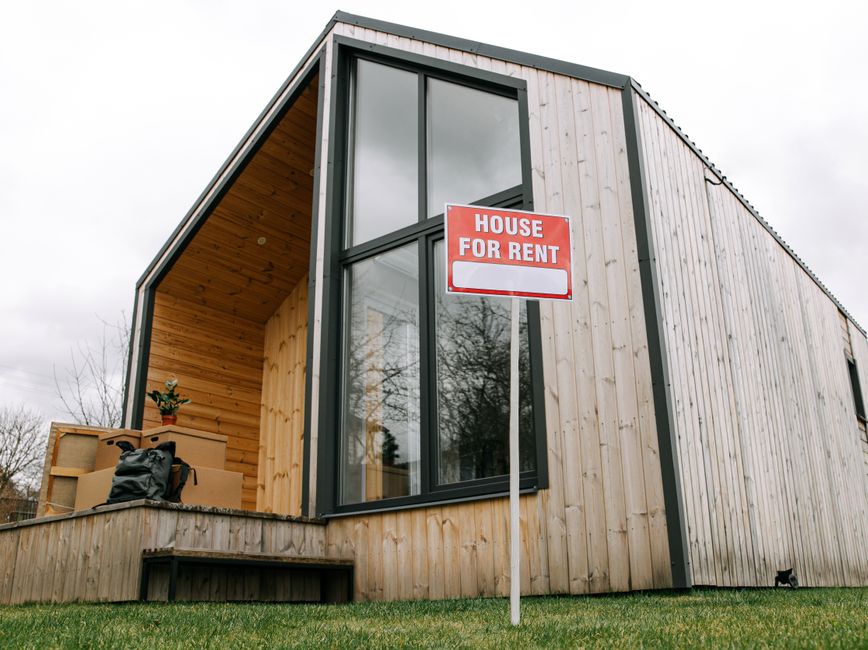
On Thursday, June 25, a two-bedroom apartment at the new Modera Skylar complex on NW 7th Street came on the rental market for $3,650 a month—nearly double what a median-income household in Miami can afford while keeping within the long-standing 30% income rule for housing costs. As annual rents in many Miami neighborhoods surge past $40,000, the question for tenants isn’t just how to find a place, but how much is too much to pay in rent?
Affordability isn't a theoretical debate anymore. Miami ranks among the nation’s least affordable cities for renters, making headlines as a poster child for America’s housing crisis. According to the University of Florida’s Shimberg Center, more than half of renter households in the county are officially cost-burdened, spending more than the recommended 30% of their pre-tax income on rent. With the city’s wage growth lagging behind rental increases, this threshold has become simultaneously a lifeline and a straitjacket for locals.
Consider the case of Little Havana, where rents have climbed by 17% since mid-2024. A typical one-bedroom near Calle Ocho now lists at $2,250 per month, according to data from local brokerage Compass Florida. For a Miami household earning the city’s median income—about $68,000 before tax—affording that apartment alone would eat up nearly 40% of gross pay. In Edgewater, listings for new high-rise studios at Icon Bay regularly top $2,900 monthly, pricing out even some dual-income professionals.
It’s against this backdrop that organizations like Miami Homes For All have pushed for stricter enforcement of affordability metrics in local housing projects. Meanwhile, the Miami Downtown Development Authority’s 2025 Affordable Housing Task Force is piloting rent-to-own programs in the Allapattah corridor, hoping to slow displacement as fast-rising rents squeeze tenants. City-backed initiatives such as the First-Time Homebuyer assistance fund have seen applications more than double in the last 18 months, according to housing department figures released in June.
Current figures from Zillow show Miami metro area median rents at $2,750 as of July 2026—a 6% jump year-on-year. To stay within the 30% rule, this would require a household income of $110,000, far above what the average resident earns. According to the U.S. Census Bureau, the median household income for Miami-Dade remains $68,000, underscoring the yawning gap. More alarmingly, nearly 62% of renters here are classified as cost-burdened (paying more than 30%), with 32% of tenants paying more than half their income on rent.
For a Miami teacher or nurse brought in at $54,000 a year, budgeting for rent alone often means compromise—either squeezing household budgets, or living farther from core job centers like Jackson Memorial Hospital or Miami Dade College’s downtown campus. The situation isn't unique to central Miami, with similar pressures evident from North Miami Beach down to Kendall.
What’s next? The Miami Housing Authority expects to deliver 2,400 income-restricted units by the end of 2027, but that’s a fraction of projected demand. Tenants are encouraged to examine their budgets carefully: housing advocates suggest budgeting for 25% when possible, considering Miami’s volatile insurance and utility costs. For those stretching past the 30% line, experts recommend looking into local rental assistance from agencies like Carrfour Supportive Housing or applying for affordable units through the county’s online affordable housing locator. As rents continue their relentless climb, the dream of keeping housing costs under control in Miami hinges on knowing your line—and protecting it.

Property

Property

Property

Property
About this article
Published by The Daily Miami
Spread the word
Daily brief
Free, in your inbox before 7am. Weekdays.
The Daily Network — local news across Australia