Property
Little River’s Rise: The Gentrifying Pocket Attracting Miami’s Young Professionals
Bars, co-working hubs and warehouse conversions are transforming this once-hidden Miami enclave into an investor magnet.
3 min read
Updated 1 h ago
Property
Bars, co-working hubs and warehouse conversions are transforming this once-hidden Miami enclave into an investor magnet.
3 min read
Updated 1 h ago
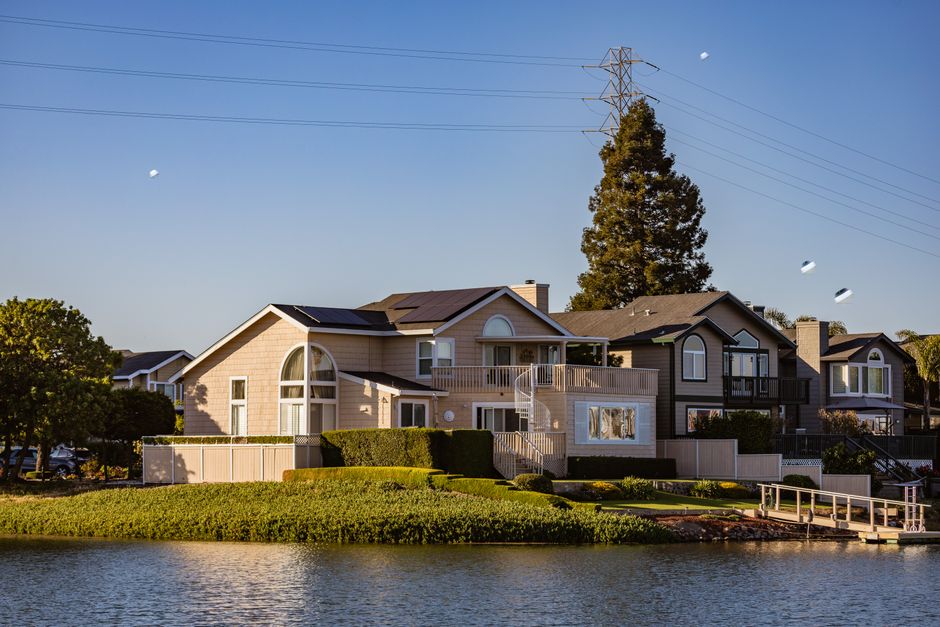
Chic coffee shops dot Northeast 2nd Avenue, craft breweries hum with Friday-night regulars, and new mid-rise condos rise above 71st Street. Once largely off the real estate radar, Little River is drawing a flood of young professionals and first-time buyers—sending property prices and developer interest to levels not seen here in decades.
The buzz around Little River matters now because Miami’s traditional favorites—like Wynwood, Midtown, and even Allapattah—have seen their prices soar beyond reach for many young workers. As Miami absorbs continuing waves of tech, finance, and remote-work migrants, the hunt for affordable-yet-lively neighborhoods has shifted north, where local artists and entrepreneurs have already staked a claim. Investors eye Little River as the next domino in Miami’s gentrification wave, and the action is intensifying.
Walk around the intersection of Northeast 79th Street and 2nd Avenue, and the change is palpable. At Imperial Moto Café, caffeinated remote workers alternate Zoom calls with vintage motorcycle talk. Meanwhile, the Citadel, a food hall on Northeast 2nd Avenue, hosts everything from vegan bao stands to rooftop yoga, drawing crowds from across the Biscayne Corridor. The area’s industrial buildings, once home to auto garages and wholesalers, are morphing into trendy studios and boutique offices. Not far away, the Little River Cooperative cultivates urban gardens and holds weekend plant sales—making the area attractive for green thumbs and young families alike. Even the city has noticed: Miami’s Office of Innovation is piloting its Upstart Miami grant in the area to help minority-owned businesses stay and grow.
Data backs up the visible transformation. According to the Miami Association of Realtors, median condo sales prices in Little River surged 18% year-over-year from May 2025 to May 2026, hitting $377,000. Rental prices tell a similar story, with average one-bedroom rates around $2,350 per month—a 15% uptick driven largely by newcomers leaving Brickell or Midtown in search of lower rents and more space. Developers have responded. There are now six new mixed-use projects in the pipeline just north of the Magic City Innovation District, with three slated to break ground by this autumn.
With the pace of change set to accelerate, neighborhood advocates worry about displacement of long-time residents and small businesses. Still, for first-time buyers and investors, Little River offers a rare combination in 2026 Miami: relative affordability, authentic character, and ongoing upside. Locals recommend targeting blocks east of North Miami Avenue, where zoning changes passed in 2024 now permit denser residential projects and small retail.
Parking remains tight—plan on walking or cycling to grab empanadas at MiMo Market, or try car-sharing. For would-be investors or tenants, speed is key: agents from locally-based Urban Core Realty say well-priced apartments often get multiple offers within 72 hours. With further expansions planned at the Little Haiti Cultural Center and the launch of the 82nd Street Greenway next spring, Little River’s star—once dim—now looks poised to rise even higher in Miami’s property firmament.
Property

Property

Property

Property
About this article
Published by The Daily Miami
Spread the word
Daily brief
Free, in your inbox before 7am. Weekdays.
The Daily Network — local news across Australia