Gold at $4,187, Stocks Surging — and Miami Families Are Still Getting Squeezed
Markets are lighting up on Independence Day, but for Miami households facing $3,800 median rents and stagnant wages, one local financial planning firm is showing residents how to close the gap.
This article was generated by AI from the linked public sources. The Daily Miami is independently owned and covers Miami news free from advertiser or sponsor influence. It is provided for general information only and is not professional, legal, financial, or medical advice. Read our editorial standards →
The numbers on the screen look extraordinary. The S&P 500 closed Thursday at 7,483, up 1.71 percent. The Nasdaq Composite hit 25,833, gaining 1.87 percent. The Dow crossed 52,900. Gold, the traditional panic hedge, climbed to $4,187 per ounce, a 4.1 percent single-session surge that signals persistent anxiety about inflation and currency stability beneath all the equity euphoria. Bitcoin jumped 6.66 percent to $62,456. For anyone holding a 401(k) or a Fidelity brokerage account, today's Fourth of July session felt like fireworks came early. But in Miami-Dade County, where the median one-bedroom apartment now runs north of $2,600 per month in Brickell and Edgewater, and where a two-bedroom in Wynwood is regularly quoted above $3,800, a booming stock market and a surging gold price are cold comfort if you are not already in the market.
That disconnect, between headline portfolio gains and street-level financial pressure, is exactly the problem that Coral Gables-based firm Meridian Wealth Partners has built its 2026 business model around. Founded in 2019 by certified financial planner Rosa Delgado-Fuentes, Meridian spent its early years serving mostly high-net-worth clients in South Florida's real estate and legal sectors. This year, Delgado-Fuentes pivoted hard toward what she calls "the squeezed middle": dual-income Miami households earning between $90,000 and $160,000 annually who hold some retirement savings but are being methodically bled by housing, insurance and grocery costs. The firm launched a flat-fee planning service in January 2026, priced at $2,400 per year, specifically to reach clients who could not justify a traditional assets-under-management fee on a $60,000 brokerage balance.
The Cost-of-Living Math Nobody Wants to Do
Miami's cost burden is not abstract. Florida homeowners' insurance premiums rose sharply again this year, with many Brickell condo owners reporting annual premiums above $6,000 for a standard two-bedroom unit. Property taxes on a $750,000 home, roughly the Miami-Dade median for a single-family residence in neighborhoods like Kendall or Palmetto Bay, now run close to $10,000 annually after the 2025 reassessment cycle. Add in car insurance, which Florida consistently prices among the highest in the nation, and a household earning $130,000 gross can find itself with fewer than $2,000 per month in discretionary cash flow after housing, taxes and insurance. The math does not leave much room to buy the S&P 500 at 7,483.
Meridian's approach involves what Delgado-Fuentes describes as a three-bucket stress test: liquid emergency savings, tax-advantaged retirement accounts, and a taxable brokerage account treated as a medium-term wealth builder rather than a speculation vehicle. For clients under 45, the firm is currently recommending maximum 401(k) contributions, targeting low-cost S&P 500 index funds, on the logic that the index's current trajectory rewards consistent buyers. For clients closer to 60, the gold surge commands attention. At $4,187 per ounce, gold has now more than doubled from its 2022 levels, and Meridian has been gradually adding a five to eight percent gold allocation, through exchange-traded funds rather than physical metal, to portfolios for clients within a decade of retirement.
Oil tells a different story. WTI crude slipped to $68.78 per barrel on Friday, down 2.78 percent, a move that will eventually filter through to South Florida gas prices, which have been running above the national average at most Broward and Miami-Dade stations this summer. Lower crude is one genuine piece of near-term relief for Miami commuters, who average among the longest drive times in the country and absorb fuel costs with almost no public transit alternative in most of the county's suburbs.
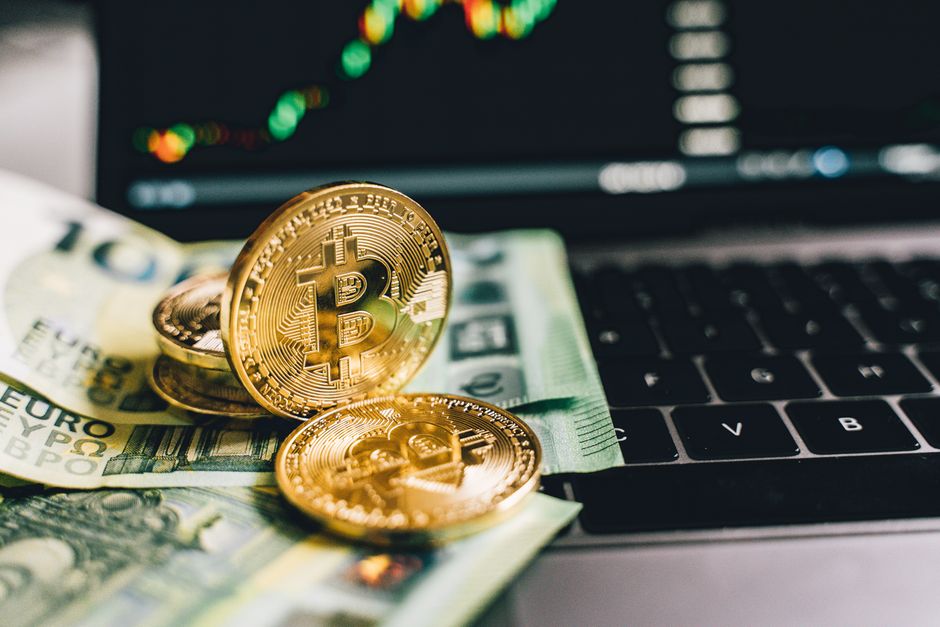
Bitcoin's 6.66 percent jump to $62,456 will not go unnoticed in a city where crypto adoption has historically run well ahead of the national average. Miami positioned itself aggressively as a crypto hub in the early 2020s, and a measurable segment of the professional population here holds meaningful Bitcoin exposure. Meridian's standard advice on that front is unchanged: cap speculative digital asset exposure at no more than five percent of total investable assets, and do not let a strong day like today alter a written financial plan.
The broader lesson from this Independence Day market session is that assets are rising, but not evenly. Gold and equities moving sharply higher together, while crude falls, suggests investors are simultaneously reaching for growth and hedging against something they cannot quite name. For Miami residents managing tight household budgets against one of the most expensive rental markets in the Southeast, the planning discipline matters more than any single session's gains. The market will have more days like today. The rent is due on the first.
Covering finance in Miami. This article was generated by AI from the linked sources and was not reviewed by a human editor before publishing. See our editorial standards.