Americans are lighting fireworks, but the more explosive action on this July 4th is in the markets. The S&P 500 closed at 7,483, up 1.71 percent, while the Nasdaq Composite pushed to 25,833, gaining 1.87 percent. The Dow Jones Industrial Average topped 52,900. For anyone in Miami with a 401(k), a Fidelity brokerage account, or exposure to the big Nasdaq mega-caps through an ETF, this is a genuine tailwind, the kind that lifts quarterly statements and emboldens the buyers of Brickell condos who are still watching rates.
The headline number, though, belongs to gold. The metal hit $4,187 per troy ounce, a 4.10 percent single-session gain that signals something more complicated underneath the equity euphoria. When stocks and gold rise together with that kind of synchronicity, it usually reflects a specific anxiety: currency credibility, deficit concerns, or both. Miami's large community of Latin American investors, many of whom already skew toward hard assets after watching peso and bolivar collapses up close, will read that gold number with particular attention. Dealers along Coral Way who move physical gold have reported steadily rising foot traffic this year, and a move above $4,000 was widely seen in that community as a threshold with psychological weight.
Oil's Drop Cuts Both Ways for South Florida
West Texas Intermediate crude fell to $68.78 a barrel, down 2.78 percent. For Miami commuters filling up in Hialeah or Kendall, that eventually shows up as cheaper fuel. It also softens input costs for the logistics and freight operators clustered around Miami International Airport and PortMiami, which handles more containerized cargo than any port on the U.S. East Coast. Cheaper diesel is a margin improvement that typically takes four to six weeks to fully filter through freight invoicing.
The flip side is PortMiami's exposure to the energy trade itself. Several of the port's major terminal operators have longstanding ties to petrochemical and fuel shipments heading to Caribbean and Central American markets. A prolonged slide in crude prices compresses the revenue attached to those shipments. Port officials have not publicly revised projections, but the trajectory of WTI through the second half of 2026 will matter to the port's tonnage numbers when they report third-quarter figures later this year.
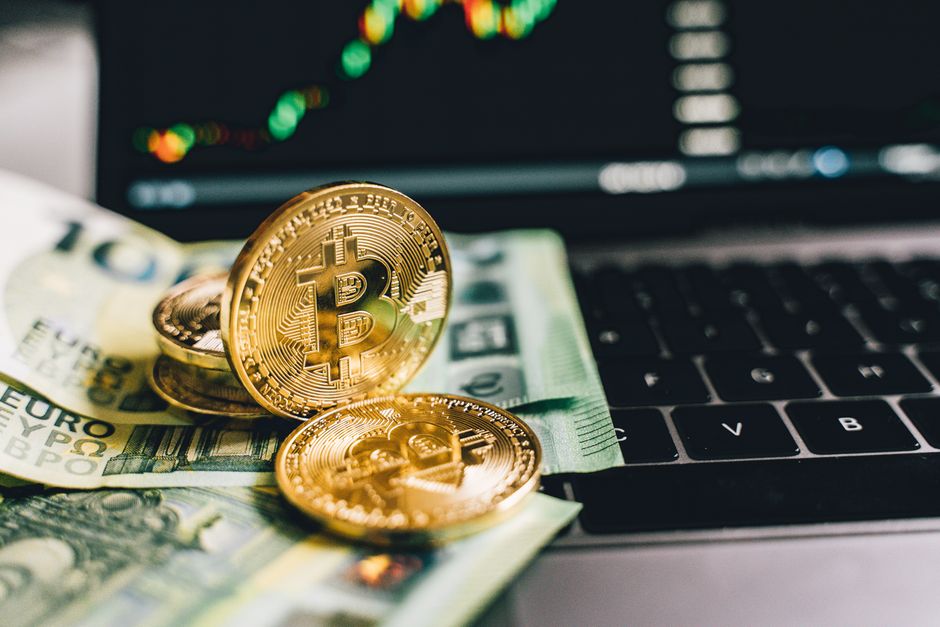
Bitcoin's 6.66 percent jump to $62,456 deserves a paragraph of its own. Miami has spent three years cultivating a reputation as a crypto-friendly city, starting with Mayor Francis Suarez's early embrace of the asset class and culminating in a small but persistent cluster of blockchain firms in Wynwood and Brickell. A move back toward $62,000 after months of churn restores some confidence in that thesis, though the city's much-discussed MiamiCoin experiment, which effectively collapsed in value, serves as a standing reminder that civic enthusiasm does not insulate local investors from volatility. For Miami-based crypto holders, today's move is welcome; it does not resolve the underlying questions about regulatory treatment or institutional adoption that have kept prices rangebound for much of this year.
Zoom out, and the picture for a Miami household with a balanced portfolio is broadly constructive on this holiday. A diversified 401(k) with exposure to large-cap U.S. equities through funds tracking the S&P 500 or Nasdaq is up sharply on the day and considerably up on the year. The Nasdaq's 1.87 percent gain reflects strength in the mega-cap technology names, Microsoft, Nvidia, Apple, Meta and Alphabet, that now constitute an outsized share of most passive index funds. That concentration is a risk that financial advisers in Coral Gables and the Brickell financial district have been flagging to clients for months, but on a day like today, concentration pays.
The tension worth watching through the rest of the summer is between the equity market's optimism and what gold and crude are separately signalling. Stocks say growth; gold says uncertainty; oil says either demand weakness or supply expansion, possibly both. For Miami businesses with international revenue, particularly the tourism operators, international real estate brokers, and import-export firms that define much of the city's commercial character, the dollar's behavior in this environment will matter as much as any single index level. A strong dollar, which tends to accompany the kind of deficit anxiety that gold is pricing in, makes Miami property more expensive for the Brazilian and Colombian buyers who have historically absorbed a large share of the condo market's inventory.
Trading desks in New York are thin today, and volume will normalize next week. The levels will shift. But the pattern of a simultaneous surge in equities, gold, and bitcoin against a backdrop of falling energy prices is an unusual alignment that Miami investors, with their particular exposure to hard assets, international capital flows, and energy-dependent logistics, have good reason to monitor closely as the third quarter gets underway.