Fireworks are not limited to Bayfront Park this Fourth of July. The S&P 500 closed Thursday at 7,483, up 1.71 percent, while the Nasdaq Composite pushed to 25,833, a gain of 1.87 percent on the session. Gold, the asset that is supposed to sit quietly in a corner, hit $4,187 an ounce, a single-day jump of 4.10 percent that rattled even seasoned commodity traders. For Miami investors, whether they are checking a brokerage account over a long weekend or running a real-estate-heavy balance sheet in Brickell, these numbers demand attention.
The gold move is the headline that will linger longest. A $4,187 print means the metal has more than doubled from its late-2022 lows, and Thursday's jump alone exceeds the entire annual return many savings accounts offer. Analysts tracking the trade broadly attribute the run to persistent anxiety about U.S. fiscal deficits, dollar-reserve diversification by foreign central banks, and renewed geopolitical friction. For Miami's large community of Latin American-origin wealth managers and family offices clustered along Brickell Avenue, the gold surge validates a defensive posture many adopted earlier this year when Treasury yields began pricing in stickier-than-expected inflation. A portfolio with even a modest allocation to gold exchange-traded funds, such as SPDR Gold Shares, has provided meaningful insulation against the kind of volatility that wiped out leveraged tech positions in early 2025.
Equities and Bitcoin Surge, But Oil Tells a Different Story
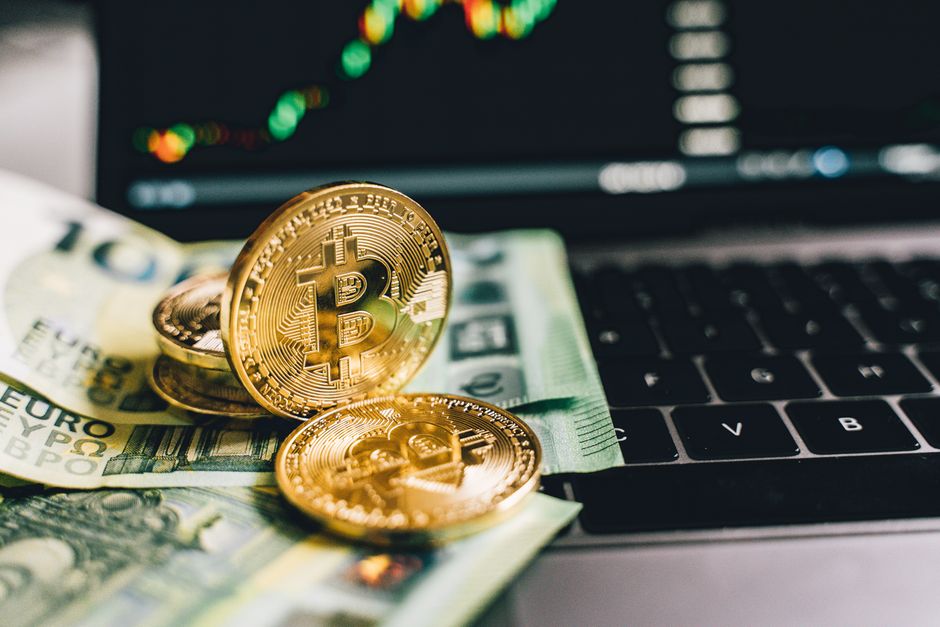
The Dow Jones Industrial Average crossed 52,900 on Thursday, up 1.89 percent, and Bitcoin climbed 6.66 percent to $62,456. Both moves reflect the same appetite for risk that has characterised trading since the Federal Reserve signalled last month that its tightening cycle is genuinely over. Miami's tech and fintech startup scene, which has matured considerably since the Wynwood corridor began attracting venture capital in earnest around 2021, stands to benefit from that posture. Lower capital costs mean that Series A and Series B rounds, which had become painfully scarce in 2024 and early 2025, are reopening. Three Miami-based fintech companies closed funding rounds in Q2 2026, according to publicly available filings with the SEC, a number that was effectively zero in the same quarter of last year.
Crude oil is the counterweight. WTI fell 2.78 percent to $68.78 a barrel, its lowest settlement in several weeks. For PortMiami, the tenth-busiest container port in the United States, cheaper oil cuts operating costs for the shipping lines and logistics companies that anchor the port's economic output, which exceeded $56 billion in annual economic impact according to the port's most recent study. Lower fuel costs are also a direct tailwind for Miami International Airport's cargo operations and for the hospitality supply chains that keep South Beach hotels and Coconut Grove restaurants stocked. The inflation that squeezed restaurant margins for three years is finally showing genuine relief at the commodity input level.
The risk in the oil decline is what it signals about global demand. If crude is soft because European and Asian manufacturing is contracting, the export-facing businesses that have made Miami a genuine trade hub, not merely a tourism hub, will feel that eventually. The city's commercial real estate market, particularly the Class A office towers in downtown and Brickell that filled up with financial firms relocating from New York and Chicago between 2020 and 2023, could face rising vacancy if headcount growth at those firms stalls. Lease renewals coming due in 2027 and 2028 will be negotiated against that backdrop.
For the 401(k) holders who make up the bulk of this publication's readership, the practical takeaway from Thursday's session is straightforward. The Nasdaq's near-2 percent single-day gain is a reminder that large-cap technology, the sector that dominates most index funds, has recovered almost all of its 2025 losses. Rebalancing into bonds or alternatives, gold among them, is a conversation worth having with a financial advisor before the third quarter earnings season begins in mid-July. The S&P 500 at 7,483 is not a number to sell reflexively, but it is a number that historically demands discipline about entry points on new money.
Miami's startup founders face a more nuanced calculus. The Bitcoin rally and the broader risk-on tone are encouraging for anyone seeking venture funding with a crypto or blockchain component. But gold at $4,187 is also a warning that macro uncertainty is far from resolved. The smart money coming into Miami, much of it from Brazilian, Colombian and Venezuelan investors who have long used South Florida as a financial base, is asking harder questions about dollar stability and interest rates than it was eighteen months ago. Businesses that can demonstrate real cash flow rather than growth-at-all-costs narratives will close rounds. Those that cannot will wait until 2027.