Property
Community Opposition to Development: Both Sides Explained
As new towers rise and neighborhoods transform, Miami residents clash with developers over the city’s future.
4 min read
Updated 1 h ago
Property
As new towers rise and neighborhoods transform, Miami residents clash with developers over the city’s future.
4 min read
Updated 1 h ago
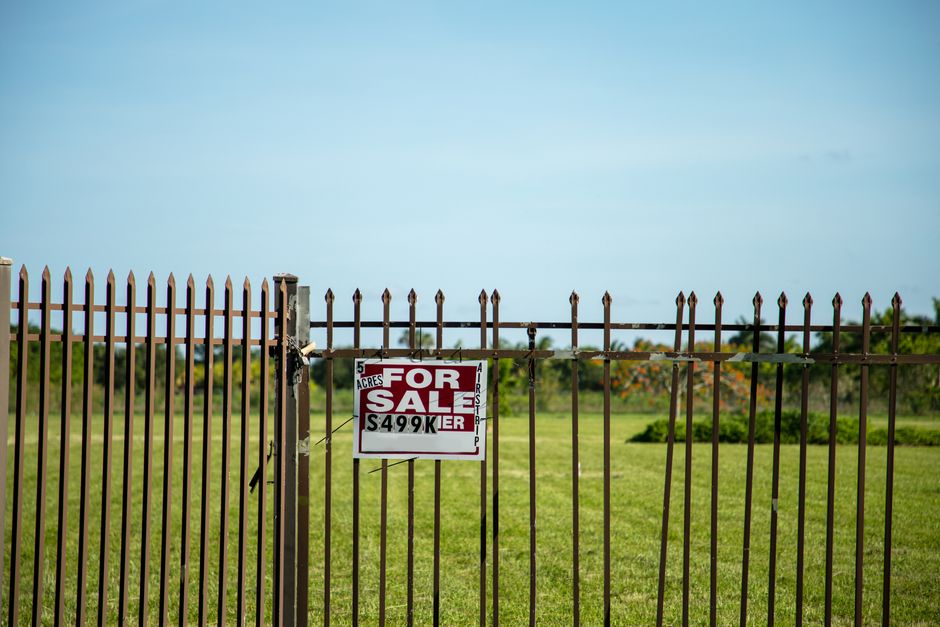
Construction plans for a pair of 38-story residential towers near West Flagler Street have triggered sharp backlash from Civic Neighbors of Little Havana, reigniting the debate over Miami’s rapid redevelopment and who truly benefits from these projects.
The dispute comes at a moment when Miami’s skyline seems in perpetual flux and city commissioners feel pressure to deliver new housing. With the city’s population pushing past 480,000, and median home prices hovering at $653,000 as of May 2026 according to the Miami Association of Realtors, the stakes for both residents and developers are high. Residents fear being priced out or losing the character of long-established communities, while backers say continued growth is essential to keep up with demand and regional economic ambitions.
The immediate flashpoint is a proposal by Vega Partners to redevelop a stretch of SW 8th Avenue between Flagler and NW 1st Street. The plan, filed with the city’s Planning, Zoning & Appeals Board in late June, envisions more than 500 apartments with ground-floor retail. Supporters, including the Miami Downtown Development Authority, describe it as a crucial step toward meeting the city’s ambitious housing targets, pointing out that Miami needs to add more than 7,000 new units annually to keep up with growth.
But pushback has grown fierce in Little Havana and neighboring Allapattah, where similar plans have led to tenant protests and a proposal for new historic district protections. The Calle Ocho Merchants Guild warned in a letter to Mayor Daniella Levine Cava that small businesses could face skyrocketing rents as high as $50 per square foot, squeezing out local shops that helped shape the cultural identity of the neighborhood.
Data from Miami-Dade County’s Office of Housing Advocacy shows that over 10,000 eviction notices have been filed countywide in the past twelve months. At the same time, city permitting records indicate 9,100 new dwelling units are either under construction or awaiting approval in 2026, with most centered in Brickell, Edgewater, and the Miami Worldcenter corridor. Last month’s Planning Board meeting drew more than 200 attendees, testimony running past midnight as residents voiced concerns about congestion, flooding, and the loss of tree canopy—Miami has lost 11 percent of its urban coverage in the past decade, according to a Florida International University report.
Developers argue that adding new supply is the only viable path to check skyrocketing rents, which have jumped 26 percent citywide since July 2022. "If we don’t build, newcomers and existing Miamians alike will simply be forced elsewhere, further straining existing infrastructure," said one Miami Development Forum organizer after Wednesday’s hearing. Residents counter that upzoning and aggressive incentives have failed to deliver truly affordable options—90 percent of new units in Brickell rent for over $3,000 per month, out of reach for many Miamians working in hospitality, retail, or the arts.
The city commission is expected to vote on the Vega Partners proposal on July 15, while a parallel effort to introduce a "community benefits ordinance"—which would require developers to fund local parks or affordable units—heads for a committee hearing by August. In the meantime, neighborhood groups are advising residents to attend public hearings and contact city officials directly, as the outcome is likely to shape not just these blocks but Miami’s broader approach to growth for years to come.
Practical guidance: Upcoming community workshops—sponsored by Miami-Dade County’s Office of Community Development—are scheduled for July 10 at José Martí Park and July 13 at the Stephen P. Clark Government Center, both open to all residents with an interest in shaping future development. Whichever side emerges stronger, Miami’s next wave of construction is set to be shaped as much by public voice as developer dollars.
Property
Property
Property

Property
About this article
Published by The Daily Miami
Spread the word
Daily brief
Free, in your inbox before 7am. Weekdays.