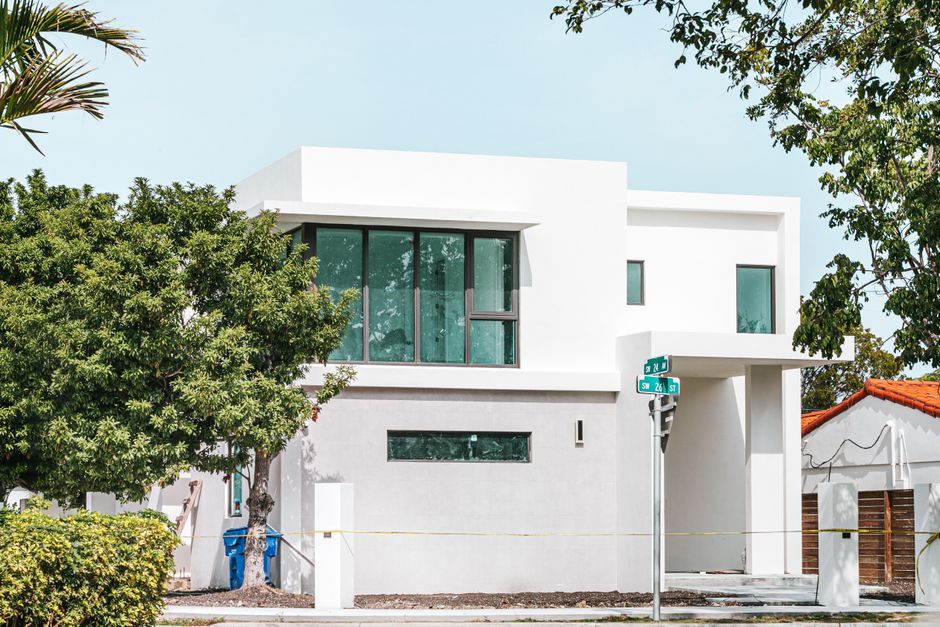
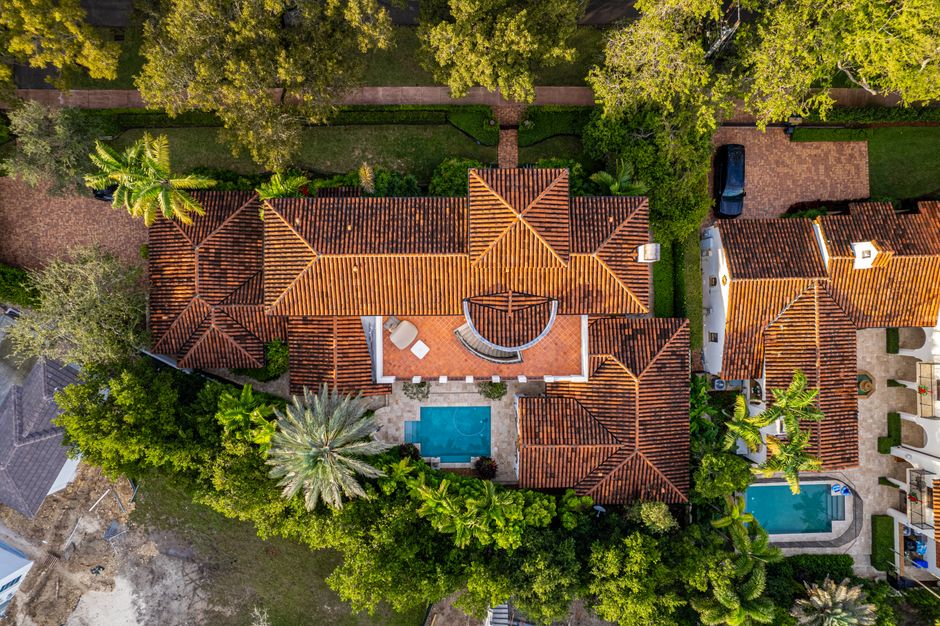
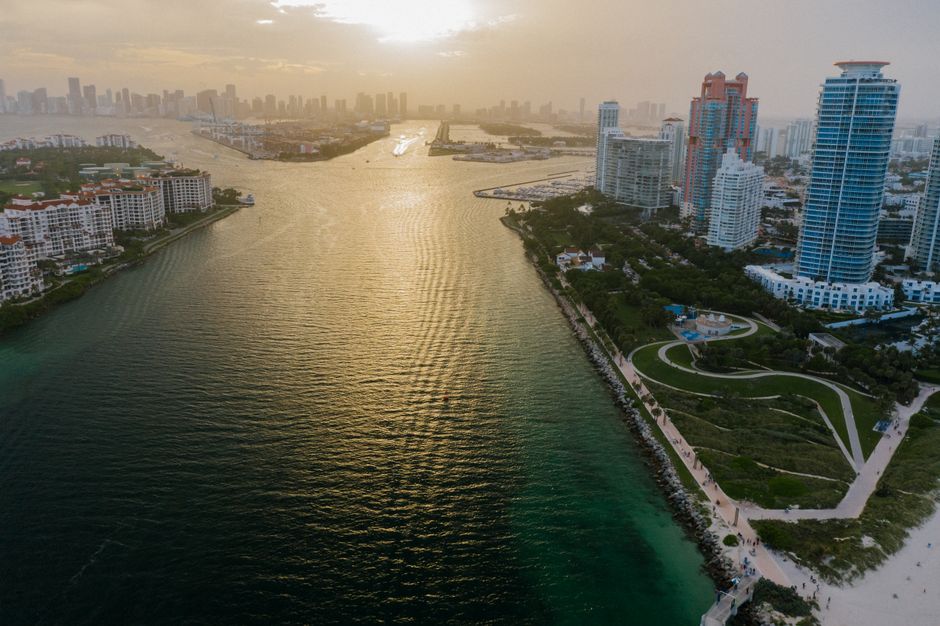
The four-bedroom house in Kendall sold in nine days. The buyers were a couple in their early 60s from Pinecrest who pocketed just over $980,000 and immediately started touring two-bedroom condos closer to the water. That scenario is playing out across Miami-Dade with enough regularity that local brokers have started calling it the Boomer Shuffle — and it is reshaping the inventory picture in several neighborhoods at once.
Miami's downsizer migration matters right now for a specific reason: the oldest Baby Boomers turned 80 this year, and the cohort immediately behind them, those in their early-to-mid 60s, are hitting retirement age in record numbers. They hold enormous equity — Miami-Dade single-family home values rose roughly 62 percent between 2020 and 2025, according to data tracked by the Miami Association of Realtors — and many are deciding that equity is better spent on a smaller, smarter footprint than on a third bathroom no one uses. The heat hasn't hurt the calculus either. With triple-digit temperatures canceling outdoor events across the eastern seaboard this Fourth of July weekend, the appeal of a condo with a pool deck and a doorman is not hard to understand.
Coconut Grove and Edgewater Lead the Pack
Two neighborhoods keep surfacing at the top of downsizers' wish lists: Coconut Grove and Edgewater. Coconut Grove offers the walkability that people who spent 25 years driving everywhere suddenly crave. CocoWalk, relaunched after its 2020 renovation, anchors a retail and dining strip within walking distance of bayfront parks. Condo prices in the Grove range widely — a two-bedroom at the Grove at Grand Bay on South Bayshore Drive was listed at $2.1 million in June — but more modest two-bedrooms in older mid-rises along McFarlane Road still trade in the $550,000 to $750,000 range, leaving meaningful cash left over after a Pinecrest or Palmetto Bay sale.
Edgewater is a different story — younger energy, slightly louder on weekend nights — but its price point and proximity to Wynwood and the Perez Art Museum Miami on NE 1st Avenue have made it attractive to retirees who want access to culture without the South Beach premium. Units at Aria on the Bay on NE 17th Terrace have been trading between $700,000 and $1.4 million this year, and the building's amenity floor — pool, gym, sky lounge — effectively replaces the backyard that downsizers are walking away from.
The Doral Surprise
Not every downsizer is chasing waterfront glamour. Doral has emerged as a genuinely surprising pocket of demand from the 60-and-up crowd, particularly from families with ties to Latin America who want proximity to Miami International Airport for frequent travel. The CityPlace Doral mixed-use development on NW 87th Avenue offers walkable retail, restaurants, and a grocery store — the kind of infrastructure that makes car-light living possible in a city designed around the automobile. Two-bedroom units in the area are running $450,000 to $600,000, a significant step down from the suburban homes many sellers are vacating.
Miami-Dade's 55-plus population is projected to exceed 500,000 residents by 2030, according to figures from the Miami-Dade Department of Regulatory and Economic Resources. That number will keep pressure on the condominium market in precisely the neighborhoods that are already expensive and undersupplied. Buyers who wait another 18 months are likely to face stiffer competition, particularly in the Grove and in Edgewater's newer towers.
For anyone considering a move, real estate attorneys and financial planners operating in Miami consistently point to one often-overlooked cost: condo association fees. Monthly HOA charges in Edgewater's newer towers routinely exceed $1,200, and post-Surfside building recertification requirements — enforced statewide since the Champlain Towers collapse in Surfside in June 2021 — have driven special assessments into the tens of thousands of dollars in older buildings. Buyers should request the last three years of association meeting minutes before signing anything, and a structural engineering report completed within the past 24 months should be non-negotiable. The equity is real. So is the homework required to deploy it wisely.