Property
Miami Real Estate in 2026: How Today’s Market Stacks Up Against the 2021 Boom
Prices have cooled and bidding wars faded, but key neighborhoods remain red-hot — with one major difference from five years ago.
4 min read
Updated 1 h ago
Property
Prices have cooled and bidding wars faded, but key neighborhoods remain red-hot — with one major difference from five years ago.
4 min read
Updated 1 h ago

Miami’s property market remains active, but buyers and agents alike say the fevered days of 2021 are gone. Median prices hit $620,000 for single-family homes across Miami-Dade in June 2026 — up just 3% from last year, a marked slowdown from the double-digit jumps witnessed during the pandemic-fueled boom.
The difference is palpable. In summer 2021, when remote workers were snapping up homes sight unseen and “cash over ask” was the mantra in Brickell and Edgewater, open houses routinely saw a dozen or more offers in hours. Today, most listings linger for at least three weeks before going to contract, according to records from the Miami Association of Realtors.
This year’s plateau comes as record-breaking summer temperatures have altered the rhythm of Miami life, forcing many Fourth of July celebrations inside and driving late-season snowbirds to consider second homes farther north. Yet even as the weather scorches, the market itself has cooled off — a shift with big implications for homeowners and anyone hoping to lock in a mortgage before rates dip again.
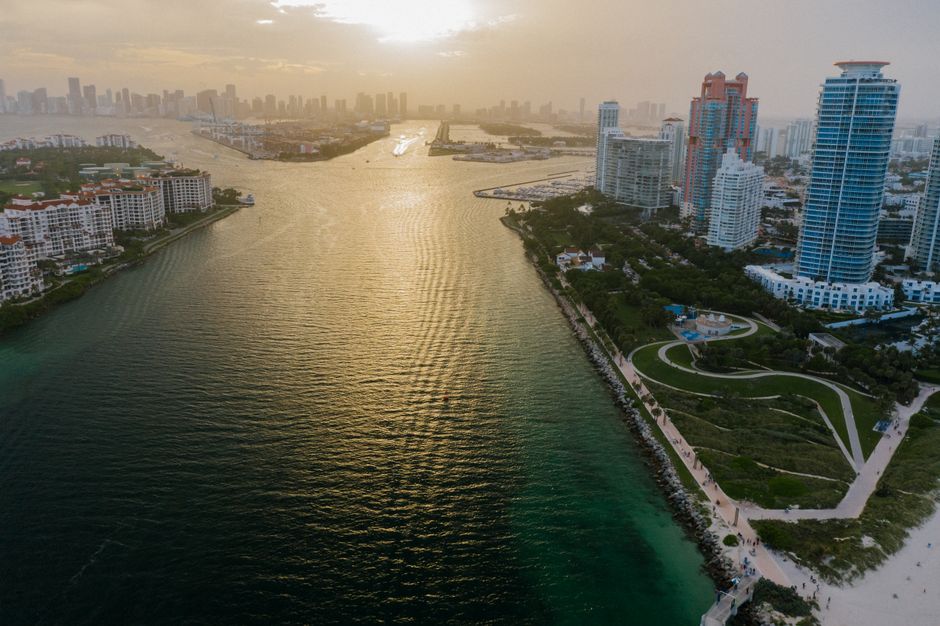
The neighborhoods that defined Miami’s 2021 real estate rocket — think Brickell, Wynwood, and Little Havana — are still attractive, but with sellers no longer able to count on six-figure windfalls above listing price. In Brickell, where high-rises fill South Miami Avenue and Biscayne Bay frames condo views, inventory levels have doubled since 2021. At Edgewater’s Paraiso District, new units are still selling briskly, but now with incentives like waived maintenance fees or bridge financing through Tandem Mortgage.
Miami Beach, which saw waterfront estate prices hit $35 million during the pandemic, now has three times as many active luxury listings above $15 million as it did in July 2021, per data from ONE Sotheby’s International Realty. In Allapattah, a wave of new construction around Northwest 20th Street has slowed as developers bid for cautious buyers with lower down-payment offers.
Data shows the magnitude of the shift. From May 2020 to May 2021, the median price of a Miami-Dade single-family home surged 23% year-on-year, according to county assessor data. Condo prices raced up 19% in that same span. By contrast, year-over-year growth from June 2025 to June 2026 is just 2.7% for single-family homes and 1.9% for condos.
The flow of out-of-state cash buyers, once a torrent, has receded: the Miami Association of Realtors’ June report found 24% of 2026 buyers paid all in cash, versus nearly 35% in 2021. Meanwhile, mortgage rates, peaking above 7% last fall, have only recently stabilized below 6%, giving some relief on affordability, but not enough to spark fresh bidding wars.
Demand from Latin America remains strong; however, many international buyers are focusing on pre-construction condos in Midtown rather than the heated resale market. At the “Casa Bella” project on Northeast 23rd Street, at least 40% of reservations are reportedly from Colombia and Venezuela-based investors, reflecting a new kind of cross-border interest not quite as frenzied — or fast — as the 2021 wave.
What comes next? Miami agents expect a steady market through the end of hurricane season, barring another spike in interest rates. Local firm Compass is advising sellers on Biscayne Boulevard to price “realistically” and prepare for 30-45 days on the market. For buyers, negotiating power is back: many are scoring closing credits, inspection repairs, or even price trims on Coconut Grove bungalows that would have vanished in a 2021 feeding frenzy.
Still, the underlying energy that once powered Miami’s market isn’t gone — it’s maturing. Downtown’s skyline cranes remain busy; the Miami Worldcenter project just broke ground on another residential tower last month. But as any local will tell you, the vibe has changed: Miami’s real estate is no longer about panic buying. In 2026, it’s all about patience, timing, and knowing the right block from the merely hyped.
Property
Property
Property
Property
About this article
Published by The Daily Miami
Spread the word
Daily brief
Free, in your inbox before 7am. Weekdays.