Miami's residential market is cooling at the edges. Homes across Miami-Dade County are averaging 62 days on market through the second quarter of 2026, up from 44 days during the same period last year — a 41 percent jump that is forcing sellers to rethink their pricing strategies heading into a traditionally slow summer stretch.
The shift matters because it follows two years of near-frictionless selling conditions, when bidding wars were common from Coconut Grove to Surfside. Now, with mortgage rates still hovering above 6.8 percent nationally and insurance premiums in South Florida continuing to outpace wage growth, buyers have regained enough leverage to walk away from overpriced listings. Sellers who haven't adjusted are learning that lesson the slow way.
The vendor discounting numbers back that up. According to transaction data compiled by the Miami Association of Realtors, the average final sale price in Miami-Dade came in at 94.2 percent of original list price during the second quarter — the lowest ratio recorded since late 2019. That means a home originally listed at $900,000 is, on average, closing somewhere around $848,000. A year ago, sellers were routinely achieving 99 percent or more of asking.
Brickell and Coral Gables Feel the Pressure
The pain is concentrated in the higher price bands. In Brickell, luxury condos priced above $1.5 million are averaging 78 days on market, with several units at the 1000 Brickell Bay Drive corridor sitting unsold since late April. Coral Gables is experiencing similar friction: single-family homes on tree-lined streets off Miracle Mile that were listed in the $2 million-plus range in March are now carrying price reductions of between 5 and 9 percent. The Alhambra Circle zip code has seen 14 consecutive weeks where active inventory outpaced closings.
Mid-market neighborhoods are not immune. In Little Haiti, where gentrification-driven price expectations ran well ahead of incomes, the average days-on-market figure has crept up to 55 days from 31 days a year ago. The Wynwood Arts District is showing a similar pattern, particularly for converted warehouse condos priced above $700,000. Several landlord-investor sellers who purchased between 2021 and 2023 are now facing the uncomfortable math of price cuts eating into already thin margins.
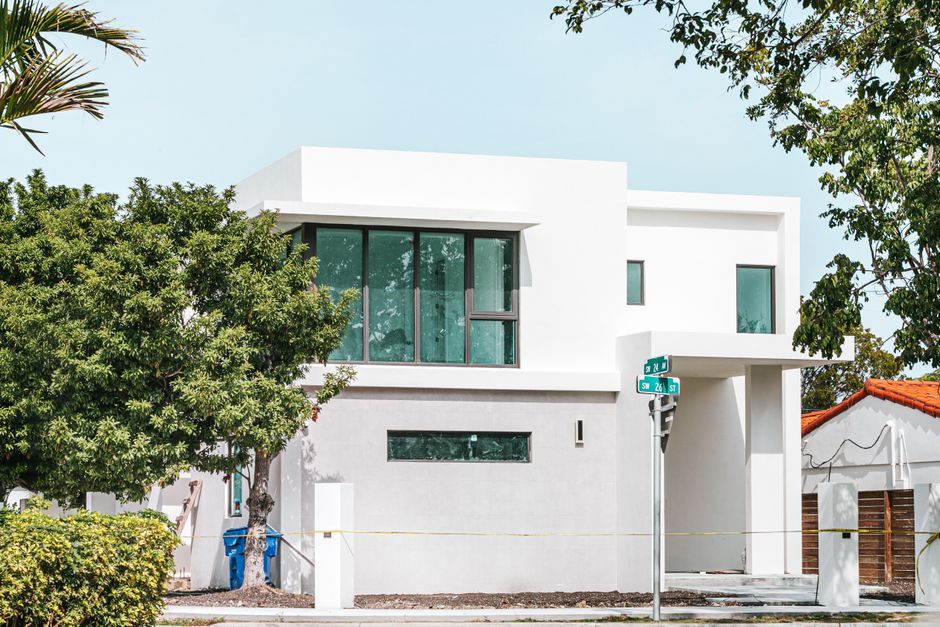
Edgewater is something of an outlier. Newer construction along Northeast 26th Street, particularly buildings with completed amenities and fixed HOA fees, is still moving in under 30 days. Buyers seem to be rewarding certainty — properties with no deferred maintenance, clear insurance histories, and locked-in carrying costs are closing faster than anything else in the county right now.
What Buyers and Sellers Should Do Before Labor Day
For sellers, real estate professionals working the Coconut Grove and South Miami corridors say the window to reprice is narrowing. Listings that have been on the market since May without a reduction are increasingly being filtered out of buyer searches algorithmically — the major portals tend to bury anything with a DOM above 60 days. A 4 to 6 percent price adjustment before mid-July gives a listing a practical reset, essentially starting the clock over in buyer searches.
For buyers, the data is straightforward: this is the first meaningful negotiating environment Miami has seen since before the pandemic. Sellers who have already cut once are often willing to absorb additional concessions on closing costs or repair credits. The Miami-Dade County Property Appraiser's online portal lets any buyer trace a property's price history within minutes, and several listings showing up right now have been reduced two or even three times since initial listing.
The broader economic calendar adds a layer of uncertainty. Federal Reserve commentary through July suggests rate cuts are possible but not imminent, and South Florida's property insurance market remains under review by the Florida Office of Insurance Regulation following a round of carrier exits in early 2026. Sellers waiting for a market turn driven by cheaper financing may find themselves waiting through a third consecutive quarter of rising days-on-market figures.