Property
Little Havana Leads Miami in Rental Yield for 2026 Property Investors
Little Havana tops the charts for Miami’s highest rental yields, drawing new attention from investors priced out of the coastal core.
3 min read
Updated 1 h ago
Property
Little Havana tops the charts for Miami’s highest rental yields, drawing new attention from investors priced out of the coastal core.
3 min read
Updated 1 h ago

Little Havana has overtaken Edgewater and Allapattah as Miami’s most lucrative suburb for residential rental yields, according to new data released this week by the Miami Association of Realtors. Investors are turning their attention inland, as rental returns surge and property values remain accessible compared to sky-high prices along Biscayne Bay.
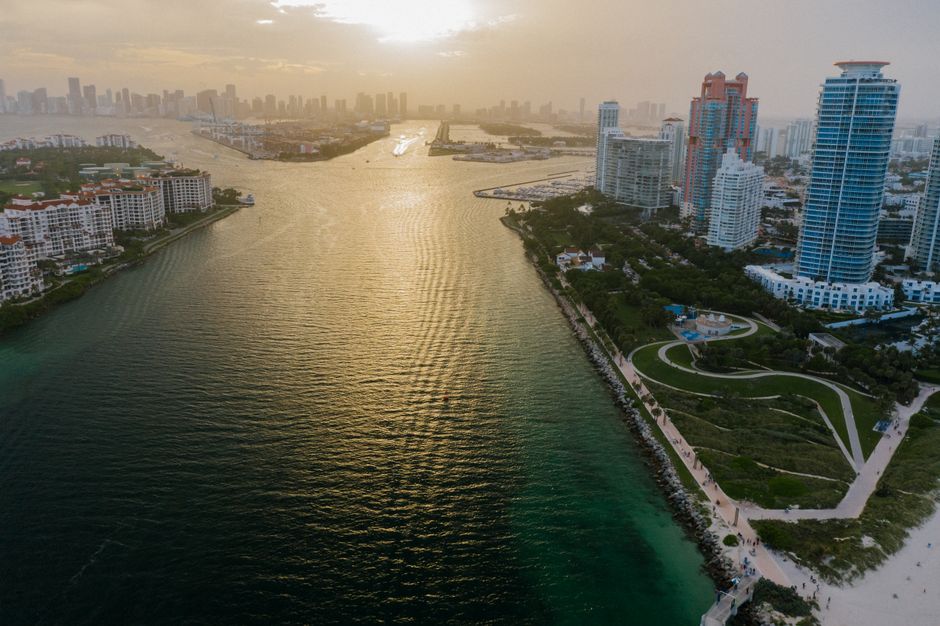
The shift comes amid volatile coastal pricing and the city’s ongoing affordability crunch. With record heat truncating holiday festivities this week from South Pointe Park up to Bayfront, Miami’s rental crisis remains undiminished. Tenants face climbing rents across the board, but Little Havana — a storied neighbourhood sandwiched between the Miami River and Coral Way — now stands out for the rare combination of high tenant demand and moderate entry prices for landlords.
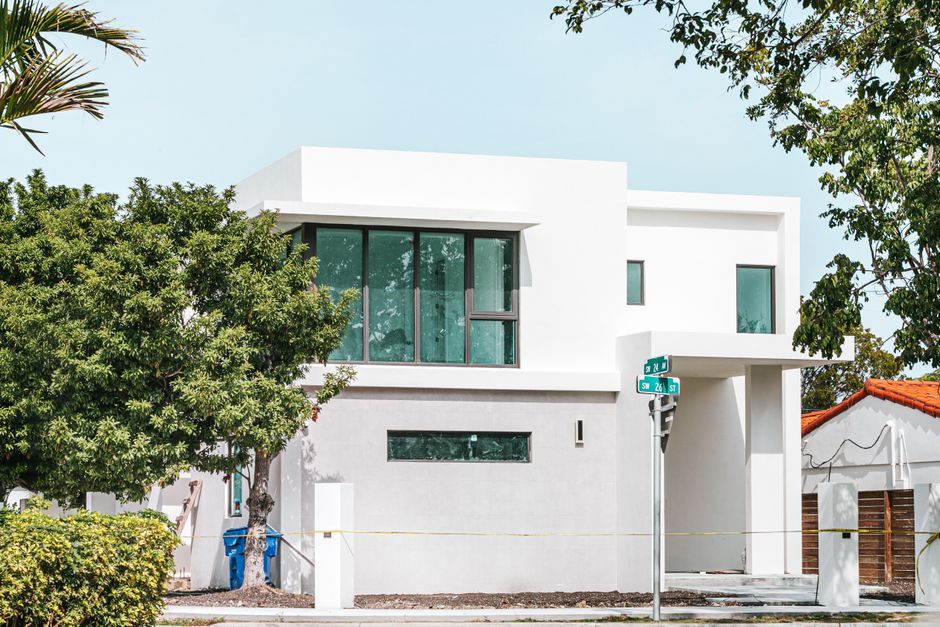
"Buyers can still acquire a duplex or small apartment block here for under $700,000," said a principal with Calle Ocho Property Group, referencing main thoroughfares SW 8th Street and SW 12th Avenue. Demand is sustained by proximity to downtown, robust transit via the nearby Brickell Metrorail, and the enduring cultural magnetism of Domino Park and Marlins Park.
Market analysts cited the latest 2026 quarterly figures: the average gross rental yield in Little Havana reached 7.1% in Q2, compared with 5.2% in Brickell and just 4.8% in Miami Beach. Median rents for a two-bedroom topped $2,400 a month in June, while median sales prices lingered at $410,000, according to Miami Multiple Listing Service (MLS) data. Developers such as Urban X Group have also poured millions into new multifamily projects along Flagler Street, fueling both housing supply and broader investor optimism.
Local property managers at Miami Landlord Alliance say vacancy rates in the neighbourhood remain below 4%, with new short-term rental ordinances (rolled out citywide in January) having a muted impact here thanks to zoning flexibility. Investors see this as a sweet spot for stable, long-term tenants — from restaurant workers along Calle Ocho to students attending Miami Dade College’s Wolfson Campus just over the river.
With cooling signs in luxury condo markets and punishing coastal insurance hikes, Little Havana’s steady numbers now offer a rare case for value-oriented growth in Miami. Industry observers expect sustained yield outperformance at least through 2027, as population inflows from out-of-state continue to drive rental competition.
For those considering the move, buyers are urged to scrutinize vintage building conditions and recent zoning changes between SW 1st Street and Coral Way. Local brokerage Sunrise Realty flags pockets around West Flagler Park as particularly strong bets, pointing to the region’s upcoming mixed-use developments and easy access to both Brickell and the health district. Investors willing to navigate the city’s ongoing code enforcement push may find that Little Havana, for now, delivers Miami’s best rental returns without the turbulence or costs of the glitzier waterfront tracts.
Property
Property
Property
Property
About this article
Published by The Daily Miami
Spread the word
Daily brief
Free, in your inbox before 7am. Weekdays.