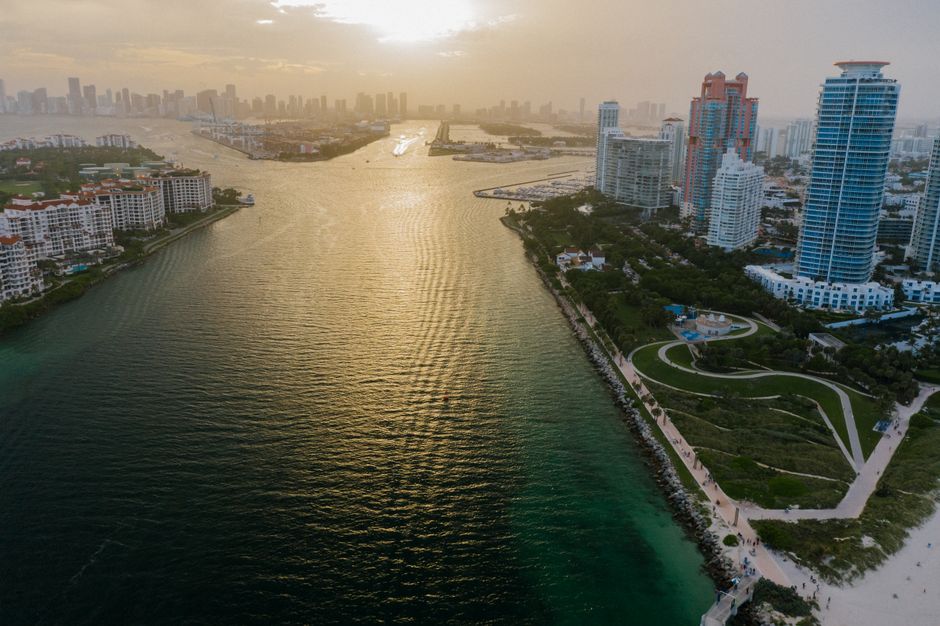
Renters in Miami are now paying a median monthly rent of $2,650, narrowing the gap with monthly ownership costs and underscoring a growing affordability challenge across South Florida compared to capital city peers like New York and London. The latest data from housing tracking firm Apartment List shows local rents have jumped by 6.8% since last summer, even as home prices across Miami-Dade also edged higher. For young professionals and families in neighborhoods such as Edgewater or Kendall, the financial pressure is forcing a tough decision: keep renting or take the plunge into homeownership.
This question has new urgency as national rental vacancies hit historic lows and the Federal Reserve’s recent rate hikes have pushed 30-year mortgage rates above 6.7% for the first time in over two decades. With housing supply still lagging demand, Miami’s market serves as a microcosm of a broader trend: regional cities are increasingly contending with affordability levels once only seen in the world’s most expensive capitals. For Miamians, the answer shapes not just individual financial futures, but the city’s entire trajectory amid a surge of new residents from other states and countries.
Local Crunch: From Brickell to Liberty City
The affordability debate looms large everywhere from Brickell—where shiny condo towers line South Miami Avenue—to more modest working-class neighborhoods like Liberty City and Allapattah. A studio in Brickell now rents for an average of $2,150, while a typical two-bedroom apartment in Liberty City commands around $1,650, according to June leasing data from CoreLogic. Yet, high rents aren’t exclusive to central business districts. In Doral, where local employers like Carnival Corporation and Univision are headquartered, rents have climbed 7.2% in the past 12 months, mirroring the regional squeeze.
Miami’s best-known affordable homeownership program, "HOMES for All Miami," which has aimed to help first-time buyers, has reported that its applicant pool has doubled since 2024. However, the program’s $35,000 down payment assistance cap hasn’t kept pace with the city’s median home price, which hovered at $603,000 in May according to the Miami Association of Realtors. Even neighborhoods once seen as havens for first-time buyers—such as West Little River or Brownsville—saw inventory dry up this spring as investors scooped up listings, intensifying competition and pushing would-be homeowners back toward the rental market.
Crunching the Numbers: Miami Versus Global Capitals
Miamians weighing whether to rent or buy are confronting a cost equation not so different from those in New York, Los Angeles, or London. According to a June report from Zillow, the average monthly payment for a new mortgage in Miami—including principal, interest, insurance, and taxes—now sits at $3,850, about 45% higher than the average rent. That premium puts Miami closer to the affordability squeeze faced by New Yorkers, who pay an average of $4,200 per month in rent for a two-bedroom in Manhattan, or Londoners, whose average rent surpassed £2,700 ($3,420) this spring, based on Rightmove’s city center data. At the same time, Miami’s persistently low rental vacancy rate—just 4.1% in May, per the U.S. Census Bureau—keeps upward pressure on rents and leaves little wiggle room for tenants looking for deals.
While traditional logic suggests buying saves money in the long haul, the math doesn’t always favor ownership in today’s Miami market. Financial planners at Greenberg Wealth, a Brickell firm, point out that unless buyers can put down at least 20%—that’s $120,000 or more for homes near Marlins Park—the upfront costs and ongoing expenses are steep, with break-even timelines now stretching beyond seven years in many zip codes.
For renters, the outlook is mixed. While monthly costs may seem more manageable, annual increases can outpace raises or cost-of-living adjustments. Miami’s median asking rent rose nearly $200 per month in the last year alone, ranking among the fastest-growing of any U.S. city tracked by Redfin.
Anyone considering a move within Miami or relocating from out of state must weigh more than headline numbers. Experts recommend running localized calculators—such as those offered free by Miami-Dade’s Housing Advocacy Office—so potential buyers or renters can factor in taxes, insurance, typical HOA fees east of Biscayne Boulevard, and market volatility. For now, both options demand tough trade-offs, but with no letup in population growth and global investor interest, Miamians shouldn’t expect a break in the squeeze any time soon. Those needing near-term affordability or flexibility may still find better deals in the region’s outlying neighborhoods, such as Cutler Bay or North Miami Beach, but for many, the rent-vs-buy calculus remains as complex—and consequential—as ever.