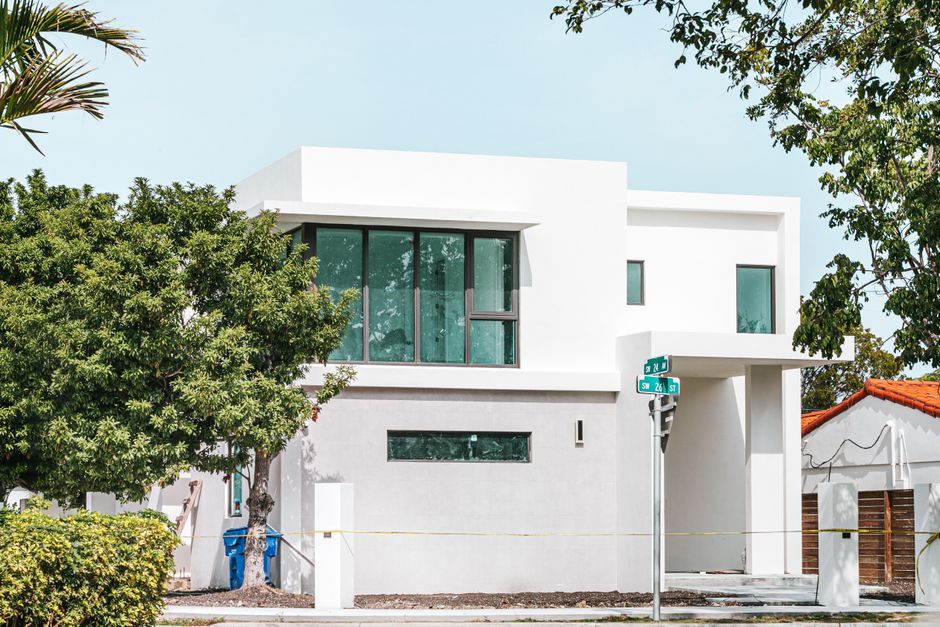
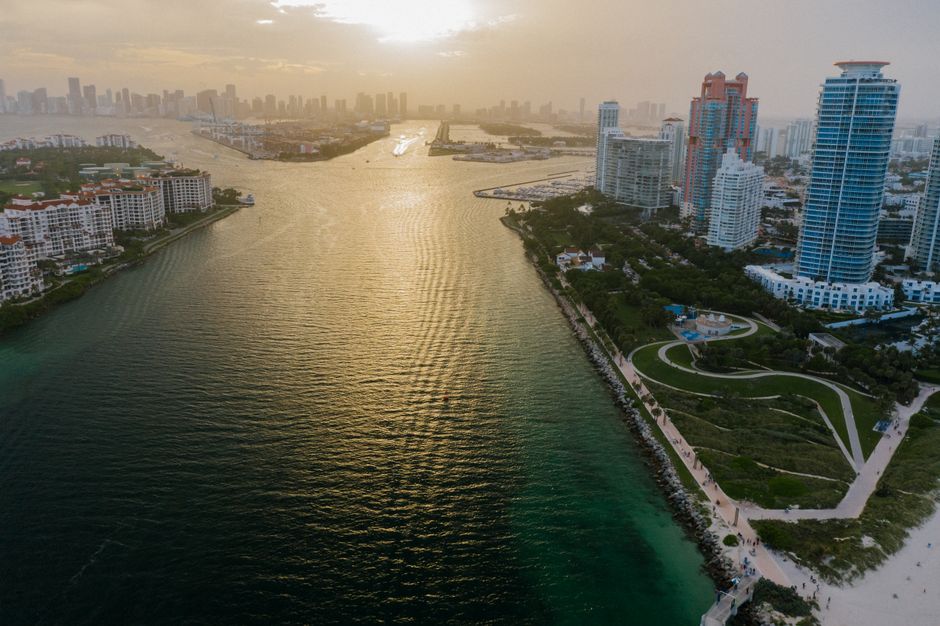
The median asking rent for a two-bedroom apartment in Miami-Dade County crossed $2,850 per month in June 2026, according to data compiled by the Miami Association of Realtors — a figure that now exceeds the monthly mortgage payment on the median-priced Miami home as recently as January 2021. That single data point captures everything dysfunctional about South Florida's housing market heading into the Fourth of July holiday weekend, when fireworks shows from Key Biscayne to Bayfront Park drew smaller crowds than usual thanks to triple-digit heat.
The timing matters. Mortgage rates have eased slightly from their 2024 peak, settling around 6.4 percent for a 30-year fixed loan as of this week. That modest relief hasn't been enough to crack open the ownership market for renters who watched home prices in Brickell and Edgewater surge 38 percent between 2020 and 2025. The math still doesn't work for most households earning the Miami metropolitan area's median income of roughly $72,000 annually. A conventional 20 percent down payment on the current median Miami home price of $635,000 requires $127,000 upfront — more than most renting households have saved in total.
Miami vs. D.C.: A Tale of Two Unaffordable Markets
Washington, D.C. remains the only major U.S. metro where the rent-versus-buy calculus is measurably worse than Miami's. The average D.C. renter now pays approximately $3,100 per month for a comparable two-bedroom unit, while home prices in neighborhoods like Capitol Hill and Dupont Circle average north of $750,000. But D.C. has one structural advantage Miami lacks: a robust employer-assisted housing program administered through the DC Department of Housing and Community Development that has helped more than 4,200 workers close on homes since 2019. Miami has no equivalent program at scale.
By contrast, cities like Dallas and Phoenix — which Miami frequently benchmarks itself against — have seen rent growth flatten. Phoenix two-bedroom rents dropped to around $1,650 per month in mid-2026 after a wave of new multifamily construction absorbed demand. Dallas sits near $1,800. A renter relocating from Wynwood to either of those Sun Belt markets would immediately free up more than $1,000 per month, and face home prices averaging $410,000 in Phoenix and $385,000 in Dallas. The gap is stark and growing.
In Miami proper, the neighborhood-level divergence is just as sharp. Along NW 2nd Avenue in Allapattah, rents in newly constructed buildings run $2,400 to $2,700 for a two-bedroom. On Brickell Avenue in the city's financial core, the same configuration routinely lists above $3,500. The Miami-Dade Affordable Housing Advisory Committee flagged in its May 2026 report that the county needs approximately 84,000 additional affordable units to meet current demand — a gap it called the largest in the county's recorded history.
What Renters Can Actually Do Right Now
Housing counselors at Catalyst Miami, a nonprofit operating out of offices near NW 54th Street in Liberty City, say they've seen a 22 percent increase in intake appointments since January. The organization helps residents navigate the State Housing Initiatives Partnership program, known as SHIP, which provides down payment assistance of up to $35,000 for qualifying first-time buyers in Miami-Dade. Applications for the current SHIP cycle close September 30, 2026.
The Florida Housing Finance Corporation also expanded its Hometown Heroes program in March, raising the income ceiling to $128,000 for first responders, teachers, and healthcare workers — three categories that represent a substantial slice of Miami's renting workforce. Eligible buyers can access up to $35,000 in zero-interest second mortgage assistance through participating lenders including several branches of Regions Bank in Coral Gables.
None of this closes the affordability gap entirely. But for renters already paying $2,800 or more monthly with no equity to show for it, running the numbers on ownership — even in a market this expensive — is increasingly the rational move. The window where renting made obvious financial sense in Miami has quietly closed. The question now is whether enough households can scrape together the entry cost to walk through the door on the other side.