Property
Miami Houses and Condos Are Living in Different Markets Now
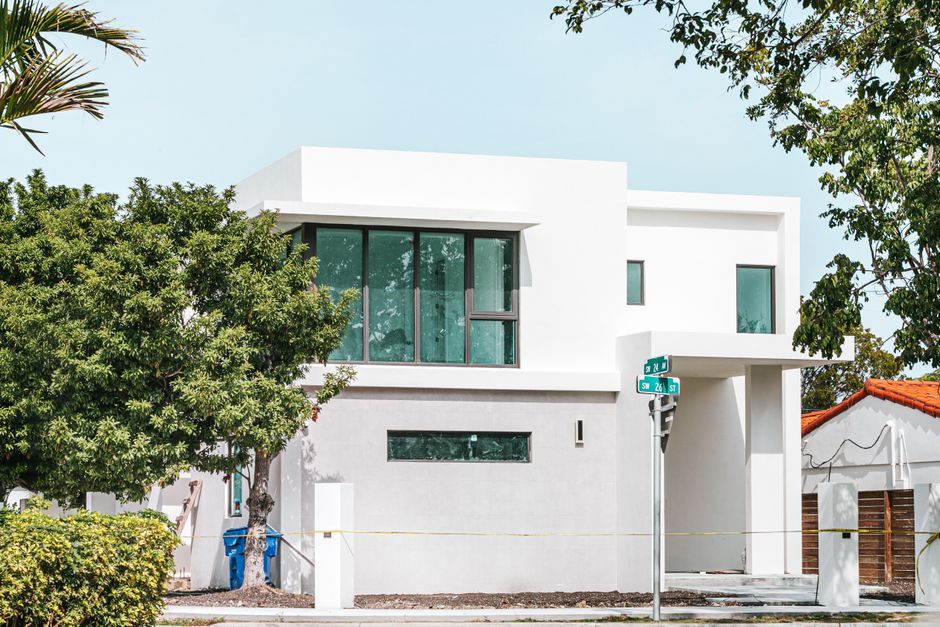
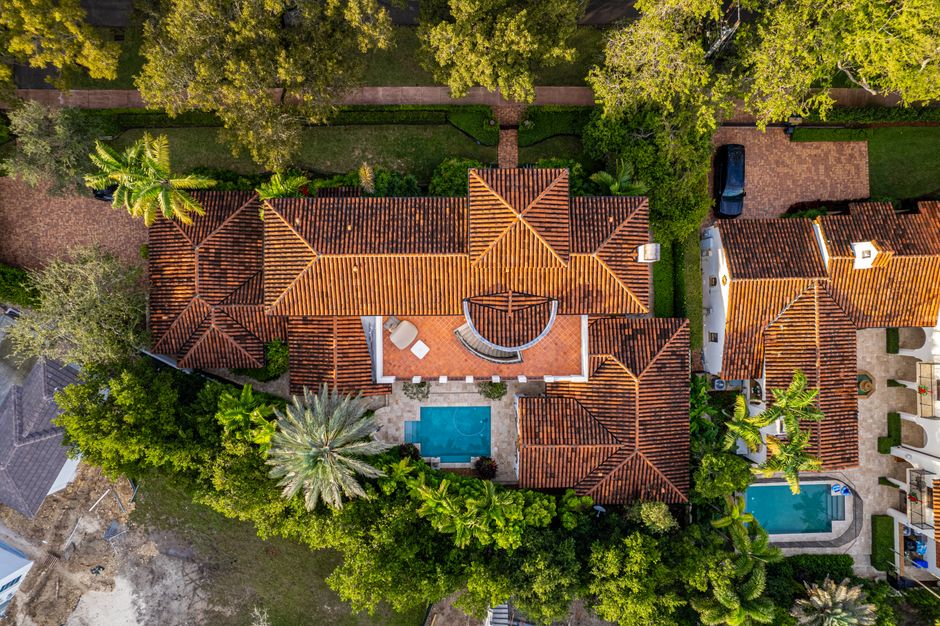
Single-family home prices in Miami are pulling sharply ahead of condo values, and the gap is reshaping where buyers look and what they can afford.
4 min read
Updated 1 h ago
Property
Single-family home prices in Miami are pulling sharply ahead of condo values, and the gap is reshaping where buyers look and what they can afford.
4 min read
Updated 1 h ago

The numbers don't lie. Miami single-family home prices climbed to a median of $685,000 in June 2026, according to Miami Realtors Association data, while the median condominium sale price slipped to $420,000 — a divergence of roughly $265,000 that has widened by nearly 18 percent since the start of the year. For a market that spent most of the pandemic era treating houses and condos as interchangeable rungs on the same ladder, that split matters.
The timing is pointed. Fourth of July weekend typically marks the informal mid-year gut-check for South Florida real estate, when agents and brokers compare notes on what the spring selling season actually delivered. This year, the conversation keeps returning to one uncomfortable truth: the condo sector is carrying weight the single-family market simply isn't. Florida's SB 4-D legislation, passed after the Surfside collapse in 2021, requires older condo associations to complete structural integrity reserve studies and begin fully funding reserves by December 2024. Many buildings are only now seeing the full cost hit their monthly assessments — in some cases doubling or tripling fees that were already steep.
The divergence is not uniform across Miami-Dade. In Coconut Grove, single-family homes on streets like Tigertail Avenue and Main Highway are trading above $2 million with regularity, while condos in the same ZIP code have sat longer and closed lower. Brickell is a different story — high-end new construction towers from developers like Related Group and Ugo Colombo's CMC Group are holding value, but resale units in older 1990s-era buildings along Brickell Avenue are pricing at discounts of 8 to 12 percent compared to two years ago. In Edgewater, where the condo boom of 2015 to 2019 left a thick inventory of mid-range towers, some two-bedroom units that traded at $580,000 in early 2024 are now clearing at $510,000 or below.
Single-family inventory, meanwhile, remains brutally tight. Miami-Dade ended June with just 2.1 months of supply in the detached home category — well below the six months that economists consider a balanced market. That scarcity keeps prices firm even as buyer sentiment softens under pressure from mortgage rates that have only grudgingly retreated from their 2023 peaks. The 30-year fixed rate sat near 6.4 percent at the close of June, according to Freddie Mac's weekly survey, still high enough to price out a significant chunk of first-time buyers who might otherwise have absorbed more condo inventory.
For sellers, the bifurcation demands a realistic appraisal of which market they are actually selling into. A three-bedroom house in Little Haiti or a bungalow in the Roads neighborhood is not competing with a two-bedroom condo in Wynwood, no matter how close the addresses look on a map. Pricing strategy in 2026 requires treating the two asset classes as separate markets, not as a simple spectrum.
Buyers have a more complex calculation. Condos are offering genuine value in neighborhoods where association finances are sound — buildings that have already completed their milestone inspections under SB 4-D and set reserve funding at required levels represent a better bet than those still working through the process. The Greater Miami and the Beaches Hotel Association released a tourism report in May 2026 showing visitor spending in Brickell and Downtown Miami up 9 percent year-on-year, which analysts say provides some floor for rental-market demand that props up condo investment returns. But due diligence on reserve studies is no longer optional.
The broader picture heading into the second half of 2026 is a market sorting itself into two lanes at speed. Single-family homes will likely keep outperforming through the summer given supply constraints. Condos face a longer road to equilibrium, particularly in buildings where special assessments are still landing in mailboxes. The buyers who do their homework on association documents now will look considerably smarter by this time next year.
Property
Property

Property

Property
About this article
Published by The Daily Miami
Spread the word
Daily brief
Free, in your inbox before 7am. Weekdays.