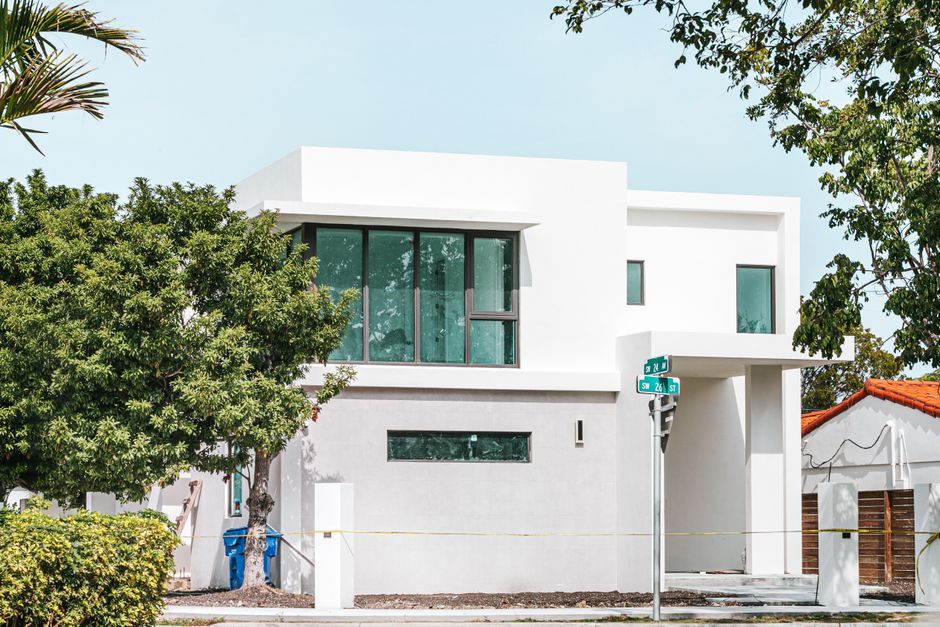
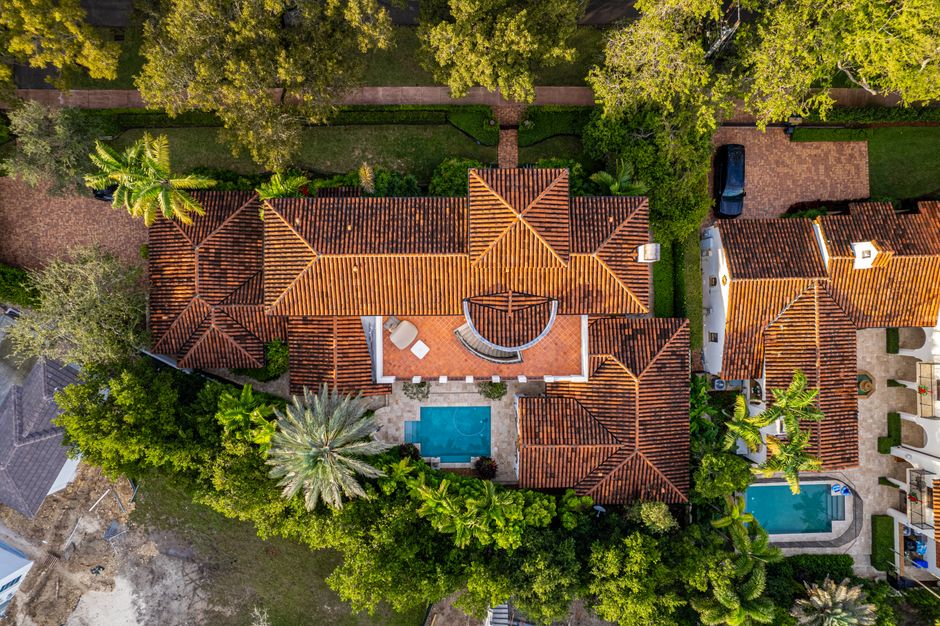
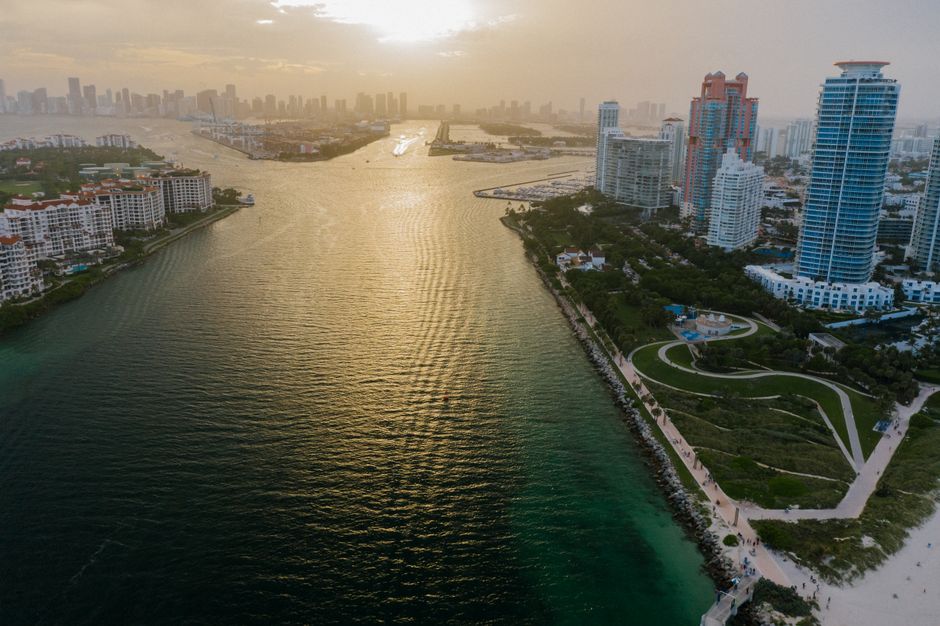
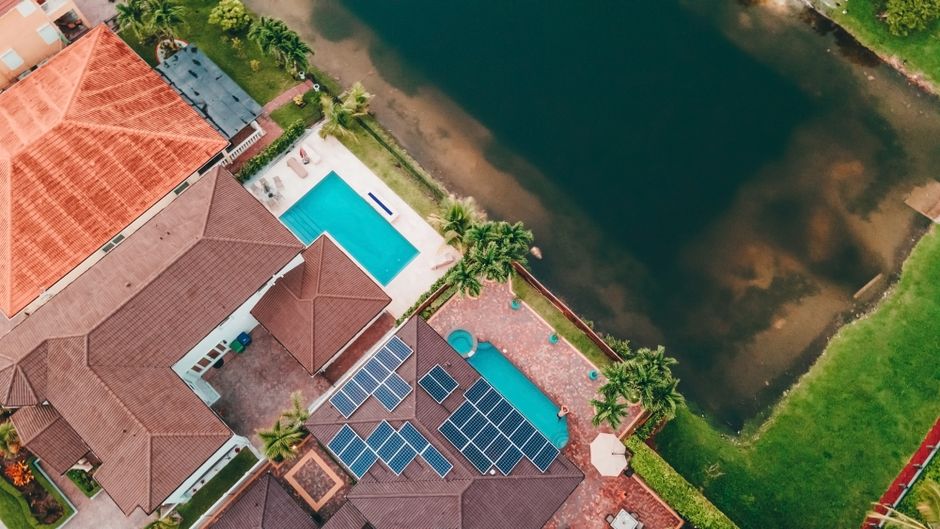
The divergence has been building for months, but the mid-2026 numbers make it impossible to ignore. The median sale price for a single-family home in Miami-Dade County crossed $680,000 in June, a 6.2 percent gain year-over-year, while the median condo price slid to $425,000 — down roughly 4 percent from the same period in 2025. That $255,000 gap between the two product types is the widest recorded in Miami-Dade in at least a decade, according to data tracked by the Miami Association of Realtors.
Why does this split matter right now? Two forces collided in the first half of 2026. Florida's condo market absorbed a wave of new inventory as buildings rushed to comply with the structural inspection mandates that took effect after the 2021 Surfside collapse. Older towers along Collins Avenue and Brickell Avenue were suddenly competing with freshly listed resale units, flooding a buyer pool already spooked by escalating homeowners association fees and rising insurance premiums. Meanwhile, the supply of detached homes stayed historically tight. Builders never fully caught up after the post-pandemic land rush, and homeowners with sub-4-percent mortgages locked in before 2023 had little incentive to sell.
Where the Divide Is Sharpest
Coral Gables tells the story most vividly. Detached homes in the Miracle Mile corridor are trading at an average of $1.1 million — up from $980,000 twelve months ago — while condo inventory in the same zip codes has doubled since January. Listings that sat unsold for 90-plus days were almost unheard of in Coral Gables in 2022; today, roughly one in five condo listings there crosses the 75-day mark without a contract. Coconut Grove shows a similar pattern. The Regatta Harbour development reported units moving at a slower pace in Q2 2026 compared to Q2 2025, even after sellers trimmed asking prices by an average of $30,000.
Wynwood and Edgewater are the outliers worth watching. Both neighborhoods attracted heavy condo construction between 2022 and 2025, but proximity to tech-sector office expansions along the 36th Street corridor has kept absorption rates relatively healthy. Still, even there, single-family homes — scarce, and therefore commanding a premium — are holding values that condo sellers can only envy.
What the Numbers Mean for Buyers and Sellers
The Miami Association of Realtors reported that active condo listings in Miami-Dade hit 18,400 in June 2026, a level not seen since early 2015. That volume gives buyers negotiating power they haven't had in years. Sellers who purchased condos between 2020 and 2022 at peak pandemic prices face a harder calculation — many are looking at selling at or near what they paid, once agent commissions and the new state-mandated reserve contribution disclosures are factored in.
For single-family sellers, the calculus runs the opposite direction. Days on market for detached homes in Pinecrest averaged just 22 days in June, and bidding wars, while rarer than in 2022, still broke out on roughly 30 percent of homes priced under $900,000 in South Miami and the Roads neighborhood. The Florida Housing Finance Corporation's Hometown Heroes program, which extends down-payment assistance to eligible buyers, has seen a spike in applications specifically for single-family purchases in Miami-Dade since March — a sign that even subsidized buyers are chasing houses over units.
Buyers sitting on the fence this Fourth of July weekend should take the divergence seriously rather than assuming both sides of the market will eventually converge. If insurance reform legislation stalls in Tallahassee — where a special session is expected this fall — condo carrying costs will stay elevated and prices could soften further. Anyone already pre-approved and targeting a unit in a building that has completed its milestone inspection should move; those are the condos with the cleanest balance sheets. For house hunters, the window of relative calm may be shorter. Inventory is not expanding, mortgage rates are still above 6.5 percent, and every month of delayed purchase is another month of equity they are handing to current owners.