Property
Miami Home Prices Are Up Again — But This Is Not 2021
Five years after the pandemic land rush reshaped South Florida real estate, prices are climbing once more, and the dynamics look nothing like the last boom.
4 min read
Property
Five years after the pandemic land rush reshaped South Florida real estate, prices are climbing once more, and the dynamics look nothing like the last boom.
4 min read
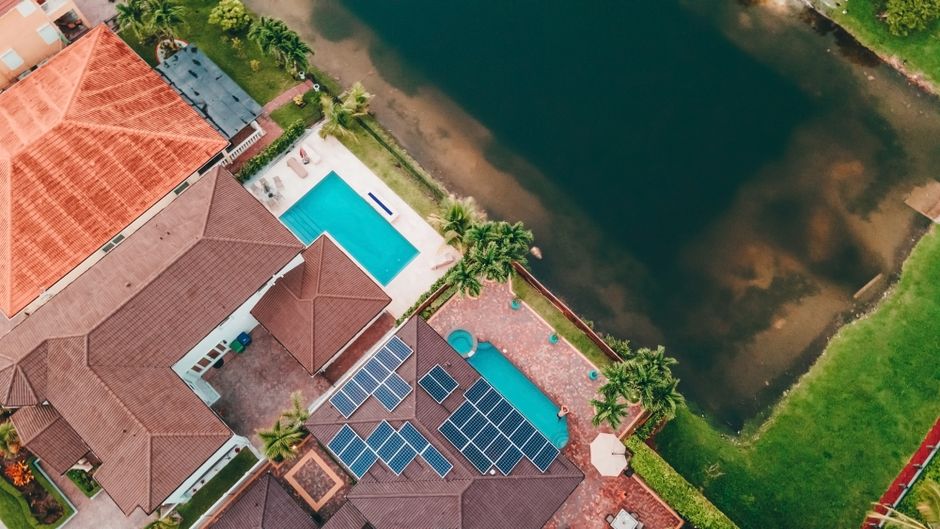
Miami-Dade County median home prices crossed $650,000 this spring — a figure that would have been unthinkable before a wave of out-of-state buyers descended on Brickell, Coconut Grove and Wynwood starting in late 2020. But veteran brokers and economists tracking South Florida say today's market, while hot, operates by entirely different rules than the frenzy that pushed values up 45 percent between January 2021 and December 2022.
The distinction matters because the wrong read on current conditions is already driving bad decisions. Sellers in neighborhoods like Little Haiti and Allapattah are listing at aspirational 2022 prices and watching properties sit for 90 days or more. Buyers who missed the last cycle are rushing in with all-cash offers, terrified of being left out again. Both groups are misreading the moment.
The 2021 surge was a one-time structural shock. Remote-work adoption, Florida's lack of a state income tax, and a mass departure from New York, Chicago and San Francisco funneled tens of thousands of high-earning households into a market that had roughly 4,200 active listings across Miami-Dade at the start of that year. Bidding wars broke out on condos along Biscayne Boulevard that had sat unsold for months. A two-bedroom unit in Edgewater that listed at $480,000 in February 2021 was under contract above ask within 72 hours. That kind of velocity — driven by suppressed mortgage rates below 3 percent and an almost complete absence of competing inventory — is simply not present in mid-2026.
Today's rate environment sits closer to 6.8 percent on a 30-year fixed mortgage, according to Freddie Mac's most recent weekly survey. Active inventory in Miami-Dade has recovered to roughly 14,500 listings as of late June, the highest count since 2019. The Miami Association of Realtors reported that median days on market for single-family homes ticked up to 48 days in May, compared with just 11 days at the peak of the 2021 frenzy. Prices are still rising — up about 7 percent year-over-year in Miami-Dade — but the slope is gradual, not vertical.
Demand is also qualitatively different. The buyer pool in 2021 skewed heavily toward domestic relocators from high-tax states. Today's active buyers include a growing share of international purchasers, particularly from Latin America and Western Europe, drawn partly by a dollar that has softened against the euro and the Brazilian real. The Brickell City Centre sales gallery on SE 8th Street has reported increased traffic from Brazilian and Colombian buyers in the first half of 2026. Several luxury towers under construction in the Edgewater corridor — including projects near NE 29th Street with delivery dates in 2027 and 2028 — are seeing pre-sales absorption rates that developers describe as steady rather than explosive.
The sharpest price action is concentrated in the $500,000-to-$900,000 band in neighborhoods that remain relatively affordable by Miami standards — Hialeah, Westchester and parts of South Miami. That is where local families and mid-career professionals are competing directly with investors buying rental stock. The Miami-Dade Affordable Housing Advisory Committee flagged earlier this year that households earning the county's median income of around $68,000 can afford to purchase a home at roughly $310,000 under standard debt-to-income guidelines — meaning the gap between what most residents earn and what the market delivers has actually widened since 2021, not narrowed.
For buyers who lived through the last cycle and are still trying to calibrate their move, the practical calculus now is less about panic and more about patience married with preparation. Pre-approval letters, clean financing structures and flexibility on closing timelines carry more weight in a market where sellers are no longer fielding ten offers in a weekend. For sellers, aggressive overpricing is leaving real money on the table as listings stale out — a phenomenon almost nobody experienced in 2021. The market is moving. It just isn't sprinting.
Property
Property
Property
Property
About this article
Published by The Daily Miami
Spread the word
Daily brief
Free, in your inbox before 7am. Weekdays.