The calculus has flipped. In at least five Miami-Dade suburbs, a buyer putting 20 percent down on a median-priced single-family home now faces a lower monthly housing cost than a renter signing a fresh lease on a comparable property. That finding, drawn from second-quarter 2026 listing data compiled by the Miami Association of Realtors and cross-referenced with rental aggregators including Zillow and Apartments.com, upends a narrative that has dominated local housing conversations since interest rates spiked in 2022.
This matters now because the Federal Reserve's two quarter-point cuts since January have pushed the average 30-year fixed mortgage rate to around 6.1 percent — still historically elevated, but low enough to tip the scales in suburbs where landlords have been pushing rents aggressively for four straight years. South Florida rents rose 42 percent between 2020 and 2024, according to the Florida Department of Economic Opportunity. Many of those increases were absorbed. Now landlords are hitting resistance, and some are holding asking prices steady even as mortgage costs drift downward.
Where the Numbers Work
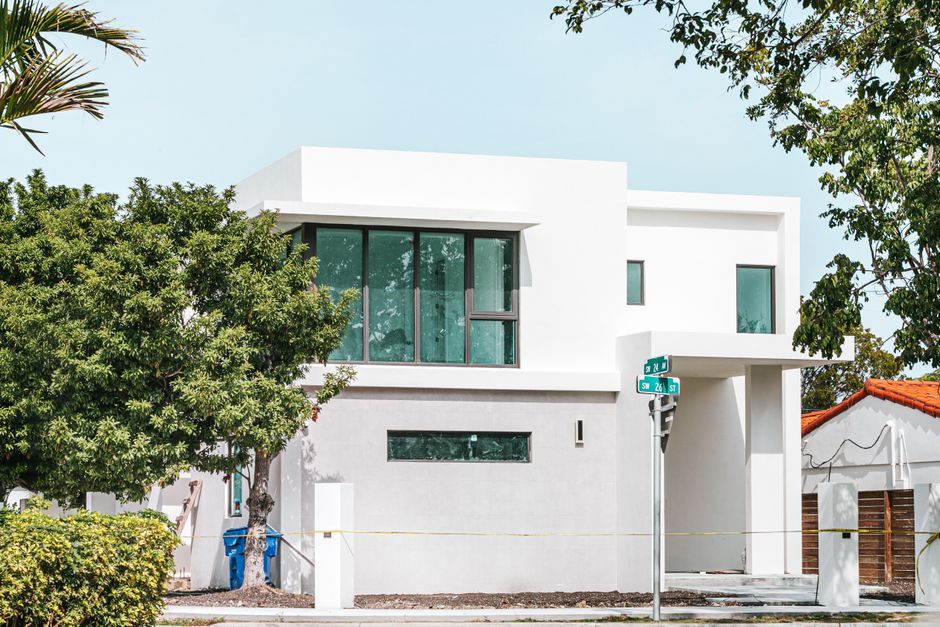
Hialeah is the clearest example. The median sale price for a single-family home there sat at $472,000 in June 2026, according to Miami-Dade property records. At 6.1 percent on a 30-year loan with 20 percent down, the principal-and-interest payment comes to roughly $2,290 a month. Median asking rent for a comparable three-bedroom house in Hialeah: $2,650. That $360 monthly gap doesn't account for taxes, insurance, or maintenance — costs that remain stubbornly high in South Florida — but the raw mortgage figure is no longer the automatic loser in the comparison.
Kendall tells a similar story. Along the Kendall Drive corridor near the Dadeland South Metrorail station, townhomes that were commanding $3,100 a month in rent in 2024 are sitting on the market longer. Some landlords have trimmed to $2,900. Median townhome sale prices in Kendall hover around $530,000, putting a financed monthly payment at approximately $2,570. Homestead and Florida City, further south on US-1, show the most dramatic inversion: rents for three-bedrooms average $2,400 while median purchase prices have actually softened 4 percent year-over-year to around $390,000, producing mortgage payments under $1,900 for qualified buyers. Cutler Bay and Sweetwater round out the suburbs where the ownership math has quietly shifted.
The Miami-Dade Office of Housing Advocacy flagged this pattern in its May 2026 quarterly brief, noting that rent-versus-own crossover points had appeared in eight ZIP codes — a first since the office began tracking the metric in 2018. The brief cited stagnating rental demand from relocating households, which had surged during the pandemic years but has since slowed, as one driver pushing landlords to hold rather than raise rents further.
The Catches Buyers Need to Know
The comparison gets complicated fast. Florida's property insurance market remains a wreck: annual premiums in Miami-Dade average $4,200 for a typical single-family home, according to the Florida Office of Insurance Regulation's 2025 annual report. Add property taxes — typically 1.1 percent of assessed value in Miami-Dade — and the total monthly ownership cost in Hialeah climbs from $2,290 closer to $2,750. That's still competitive with renting, but the gap narrows considerably.
There are programs designed to close it further. Miami-Dade County's Home Purchase Assistance Program, administered through the Department of Public Housing and Community Development at 701 NW 1st Court, offers deferred-payment second mortgages of up to $50,000 for income-qualified buyers — effectively reducing the down payment burden and the financed principal. The Florida Housing Finance Corporation's Hometown Heroes initiative extends similar help to teachers, nurses, law enforcement, and first responders.
The practical advice for anyone still renting in Hialeah, Kendall, or Homestead: run the full-cost comparison before the next lease renewal, not after signing it. The crossover window may not last. If the Fed pauses rate cuts — which several economists expected after June's stronger-than-forecast jobs report — mortgage costs stabilize and the advantage narrows. The suburbs where buying beats renting exist today. Whether they still exist by Thanksgiving depends on bond markets and insurance actuaries, not just asking prices.