Edgewater's median condominium sale price hit $685,000 in the second quarter of 2026, up from roughly $581,000 a year earlier — a jump of 17.9 percent that no other waterfront submarket in Miami-Dade County matched over the same period, according to Miami Realtors association data released last month. That number is pulling serious attention from investors who missed the Brickell wave and watched Coconut Grove reprice out of reach.
The timing matters. Miami-Dade's broader market has cooled from its 2022 fever pitch, with overall single-family inventory creeping back toward pre-pandemic norms. Edgewater is moving against that grain. The neighbourhood sits in the 33132 zip code, pressed between Biscayne Bay to the east and Northeast Second Avenue to the west, which makes new land essentially impossible to find. When supply is structurally capped and demand keeps arriving — from relocated finance workers, Latin American buyers hedging currency risk, and domestic remote workers — prices find only one direction.
What's Driving the Numbers on the Bay
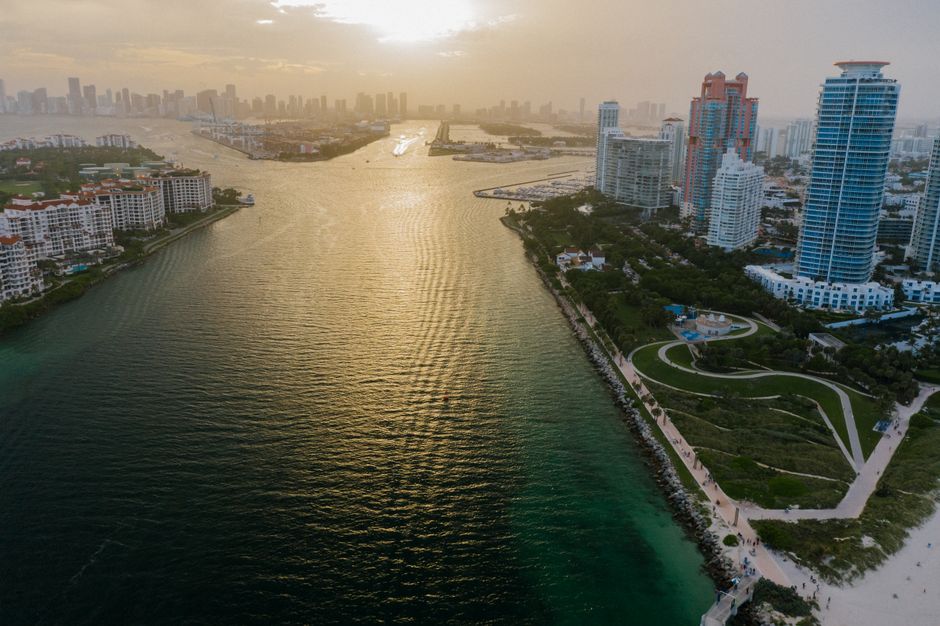
Three projects are reshaping the street-level story along Biscayne Boulevard north of Northeast 20th Street. The 57-story Missoni Baia tower, which delivered its first residences in 2022, set a new comp ceiling for the neighbourhood and has continued to trade above asking on resales in 2025 and 2026. Just south of it, the Edgewater public waterfront promenade — a city-funded linear park that Miami's Department of Resilience and Public Works extended by four blocks in late 2024 — has made the bayside walkable in a way it simply wasn't five years ago. That kind of public infrastructure investment historically precedes sustained price appreciation, as happened along the Brickell City Centre corridor after Southeast Eighth Street was redesigned in 2016.
Margaret Pace Park, at the foot of Northeast 18th Street, has also become a genuine neighbourhood anchor. Weekend use is up sharply since the city added a water sports rental concession in early 2025, and that foot traffic is feeding a small but growing retail strip along Northeast Second Avenue where three new restaurants opened between January and May of this year. Neighbourhood commercial activity is a reliable leading indicator — it reflects broker and developer confidence before headline prices fully catch up.
The rental side of the ledger is equally telling. One-bedroom units in the 33132 zip code were averaging $2,950 a month in June 2026, per data from the Miami Association of Realtors' rental index — a figure that gives investors a gross yield in the 5 to 5.5 percent range on entry prices around $600,000, which compares favourably to Brickell, where yields have compressed to roughly 3.8 percent as purchase prices ballooned past $900,000 per unit on many newer projects.
The Window for Entry-Level Waterfront
Buyers still have options below $700,000 in Edgewater, but the inventory in that band shrank by 31 percent between January and June of this year. Three buildings along Northeast 26th Street — Cite, Quantum on the Bay, and Wind — were the last reliable sources of sub-$600,000 two-bedrooms with bay views. As of the first week of July 2026, active listings in those three buildings combined numbered fewer than a dozen.
For buyers who cannot close before the summer ends, brokers working the neighbourhood consistently point toward Northeast 24th Street and the blocks immediately north of it as the next tier likely to reprice. Several pre-construction projects filed permits with Miami-Dade's Building Department in the first half of 2026, which typically means groundbreaking 12 to 18 months out — and pre-construction pricing that won't last once shovels appear. Anyone treating Edgewater as a long play rather than a quick flip should get a contract in hand before Labour Day. After that, the arithmetic gets harder fast.