Property
How Much Rent Is Too Much? The 30% Rule in Practice in Miami
Experts and residents debate whether the classic benchmark holds up as rents hit record highs in neighborhoods like Brickell and Little Haiti.
3 min read
Property
Experts and residents debate whether the classic benchmark holds up as rents hit record highs in neighborhoods like Brickell and Little Haiti.
3 min read
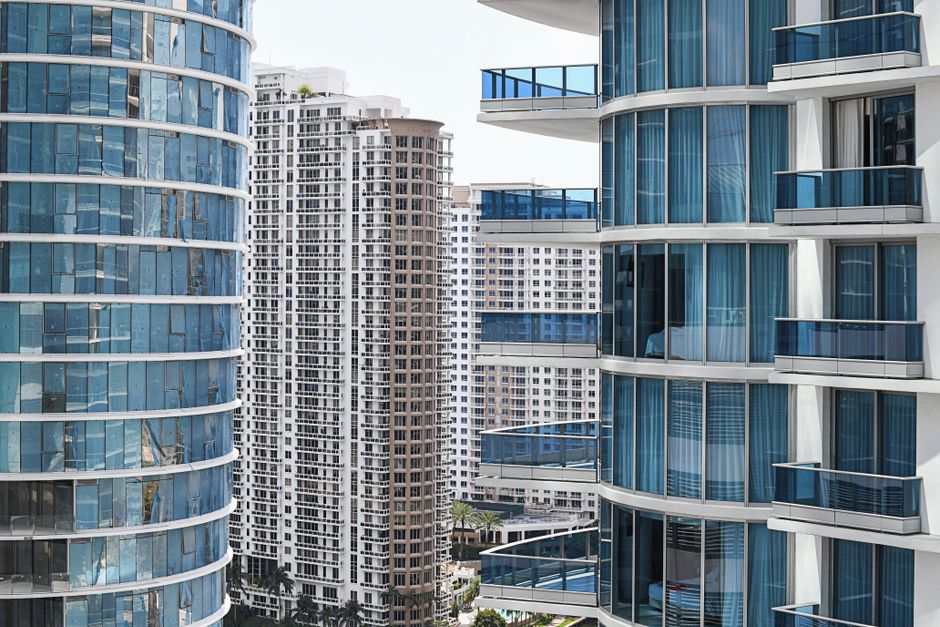
Miamians are paying more of their income on rent than ever before, according to June housing figures from the Miami Association of Realtors. More than half of renting households in the city now spend over 30% of their monthly pay to keep a roof over their heads—well above the timeworn economic warning sign for rent burden.
The 30% rule, long a staple of budgeting advice, says rent should not exceed thirty percent of gross income. But as rents soar and incomes lag, that line is increasingly blurred in Miami. This July Fourth, as South Florida residents sweat through record heat and canceled outdoor festivities, many are also feeling the pressure at home—literally and financially.
Take a stroll down NE 2nd Avenue in Edgewater, and asking rents at new towers like the Paraiso Bay Residences start around $3,600 for a one-bedroom. In Little Haiti, Miami Housing Solutions, a nonprofit developer, opened the Stella Apartments last fall with subsidized rents at $1,500—yet still had over a thousand applicants for just 80 units. "Miami's market is outpacing local paychecks," says Celia Mendez, a housing counselor who works with tenants at the Miami Workers Center in Allapattah. "That thirty percent advice isn't always realistic anymore."
For a Miami household earning $70,000 per year, the 30% max rent is $1,750 monthly. But in hot zones like Brickell, Red Road and Coral Gables, average listed rents for two-bedroom units often top $3,200—nearly double the 'affordable' benchmark. Even Miami-Dade County’s own Housing Affordability Index now rates nearly every zip code from Overtown to Kendall as unaffordable for moderate-income earners.
Miami rents have risen an eye-watering 41% since 2020, according to a June report from Zumper. For comparison, median household income in Miami-Dade inched up just 8% over the same span (U.S. Census Bureau estimates, 2020–2025). In reality, nearly 52% of city renters now exceed the 30% rent-to-income ratio, per the University of Miami’s 2026 Metropolitan Blueprint. Newer luxury buildings downtown report average lease renewals at $4,350 for two bedrooms, which would require a household income above $174,000 to stay at the recommended threshold.
This rent squeeze isn’t just downtown. Zip codes like 33127 (Wynwood/Little Haiti) and 33145 (The Roads/Shenandoah) also top $2,600 for a simple one-bedroom unit. Miami Beach’s North Shore neighborhood has seen rental listings spike 28% in the last year alone, displacing many lower-wage workers, according to Miami Beach Community Development Corp.
So what can renters do if thirty percent is no longer realistic? Local advisors recommend creating a "comfort budget"—accounting for utilities, car payments, and emergency savings before committing to a lease. Groups like Legal Services of Greater Miami suggest applying for income-restricted lotteries, such as the new Liberty Square Redevelopment in Liberty City, or city rental assistance programs (applications open again September 2026).
For those stuck searching out market-rate apartments, analysts suggest looking south to Richmond Heights or west toward Westchester for less eye-popping rents. But wherever they land, Miami renters facing renewal season will have to do their math—and perhaps rethink what "affordable" really means in the city’s post-pandemic rental market.
Property
Property
Property

Property
About this article
Published by The Daily Miami
Spread the word
Daily brief
Free, in your inbox before 7am. Weekdays.