Property
Miami Renters Face Tough Choices as Leases Expire and Supply Stays Tight
With rental options scarce and prices climbing, Miami tenants approaching lease renewals must weigh limited alternatives—or risk being priced out.
3 min read
Property
With rental options scarce and prices climbing, Miami tenants approaching lease renewals must weigh limited alternatives—or risk being priced out.
3 min read
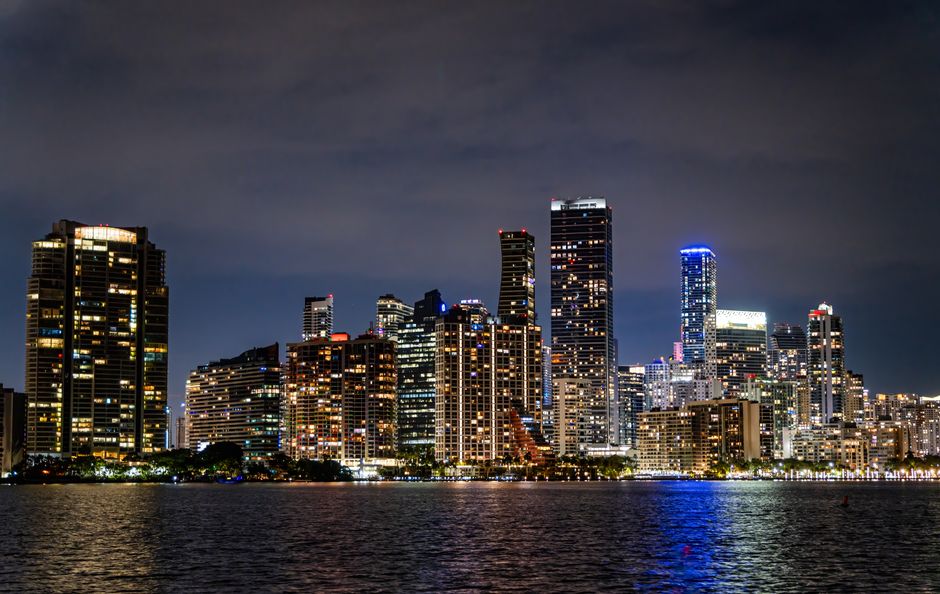
As July unfolds with temperatures rising, many Miami renters are facing a chill of a different kind: the dread of lease renewals in a market where affordable options are increasingly hard to find. Tenants across Brickell, Edgewater, and beyond are discovering that when their leases end, even maintaining the same apartment often comes with hefty increases—or no guarantee of renewal at all.
The squeeze is partly a result of Miami’s relentless population growth and investors snapping up properties during the pandemic boom. Over the last year, the number of available rentals in central neighborhoods around Biscayne Boulevard and Wynwood fell 24%, according to the Miami Association of Realtors. Landlords along key corridors like South Dixie Highway and at high-profile complexes including Park Line Miami near Brightline station are fielding multiple applicants for each unit.
Why now? Rental inventory across the city is the lowest it’s been in six years, just as thousands of leases come up for renewal after the summer rush from new arrivals. For tenants at Camden Brickell and ICON Bay, renewal notices often bring jumps of $400-600 per month. Many who signed one-year leases last summer are being pushed toward two unpleasant choices: accept steep increases, or scramble for rare vacancies elsewhere—sometimes much farther from downtown jobs or public transit.
According to recent data compiled by RentCafe, the median rent for a one-bedroom in Miami reached $2,540 in June—up 7.2% from a year earlier. In several towers along NE 1st Avenue, listings hit $3,000 even for basic one-beds. Miami-Dade’s rental vacancy rate has hovered around 3.3% since the spring, compared to the national average of 6%. An influx of high-income newcomers from out of state continues to outpace construction, leaving many lifelong Miamians unable to compete.
Renters facing the end of their lease have a handful of options, none easy. Housing advocate Javier Huerta, coordinator at the Miami Workers Center, points to the city’s Emergency Rental Assistance Program—though it remains chronically oversubscribed, with application slots at City Hall on SW 1st Street filling within hours. Neighborhood Legal Services on Flagler Street says requests for tenant-landlord mediation have doubled since last summer, with most cases centering on sudden rent hikes or refusals to renew.
Some property managers, such as those at the Altis Little Havana, report tenants are getting creative: teaming up with friends to split two-bedroom apartments, or negotiating shorter-term leases for flexibility. Others are looking farther afield to cheaper suburbs like Hialeah or even Homestead, but that creates new challenges for commuters. The Miami Housing Authority has quietly expanded eligibility for its Section 8 Housing Choice Voucher waitlist, although availability remains slim and waits are long.
For now, experts recommend that tenants act quickly: start searching at least 90 days before leases expire, gather strong application paperwork (proof of income, references, credit checks), and be ready to negotiate. With local supply unlikely to improve before new developments along Coral Way and Biscayne Bay open in late 2027, out-of-the-box solutions might be crucial. For Miami renters, flexibility and fast action will be key as the city’s tight rental race shows no sign of easing.
Property

Property
Property

Property
About this article
Published by The Daily Miami
Spread the word
Daily brief
Free, in your inbox before 7am. Weekdays.