The numbers landing on screens across Brickell and Coral Gables on the Fourth of July were hard to ignore. The S&P 500 closed at 7,483, up 1.71 percent, while the Nasdaq Composite added 1.87 percent to reach 25,833. The Dow cleared 52,900. Those are not rounding errors. That is a genuine risk-on session, and for the roughly 1.2 million Miamians who hold 401(k) plans or taxable brokerage accounts through firms like Fidelity, Charles Schwab and Edward Jones, the afternoon statement will look considerably healthier than it did at the start of the week.
Gold told a more urgent story. Spot prices hit $4,187 per troy ounce, a gain of 4.10 percent in a single session. That kind of single-day move in a metal traditionally associated with slow, grinding capital preservation signals that institutional buyers are treating something in the global backdrop as genuinely alarming, even as equities rally. The divergence between a soaring S&P and a surging gold price is unusual. It suggests some large pools of money are buying insurance on the equity celebration, not joining it wholeheartedly. For Miami's sizable population of Latin American high-net-worth individuals, many of whom already carry meaningful allocations to physical gold and dollar-denominated hard assets as a legacy of currency crises elsewhere, today's price action validates a long-held instinct.
Oil's Drop Hits Miami's Energy Calculus, Bitcoin Gets Its Moment
Crude oil was the session's clear loser. WTI fell 2.78 percent to $68.78 per barrel. Miami is not a refining hub, but the city is an enormous consumer of jet fuel, diesel and gasoline. A sustained retreat in crude, if it feeds through to the pump over the next four to six weeks, would offer real relief to the logistics firms clustered around Miami International Airport and the Port of Miami, which together move tens of billions of dollars in cargo annually. Trucking operators running routes along I-95 and the Florida Turnpike have been squeezed by elevated fuel costs for the better part of two years. A WTI price south of $70 starts to change their margin math.
Cruise operators headquartered or homeported in Miami, including Carnival Corporation and Norwegian Cruise Line Holdings, both of which list on the New York Stock Exchange, have a structural sensitivity to fuel costs that is second only to labor. Lower bunker fuel prices, which tend to track crude with a lag of several weeks, directly support their operating margins. Both stocks were carried higher by the broad market rally today. The direction of crude over the coming month matters more to those balance sheets than almost any other single input.
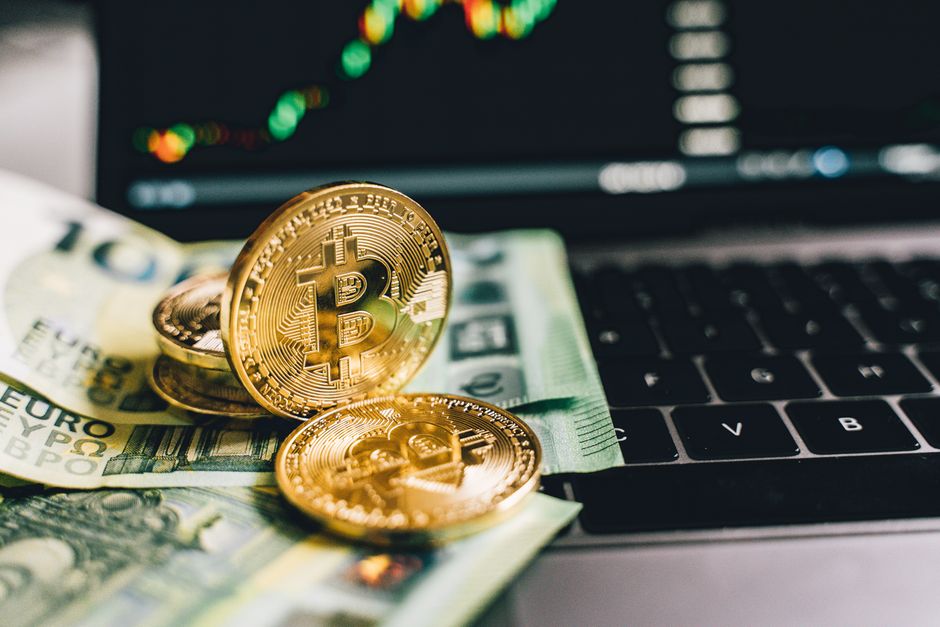
Bitcoin jumped 6.66 percent to $62,456. Miami has spent three years cultivating a reputation as a crypto-friendly city, a project driven partly by city hall and partly by the concentration of crypto funds and exchanges that relocated from New York following a wave of regulatory uncertainty earlier this decade. A move back toward $62,000 will be welcomed loudly in Wynwood and along the Miami River tech corridor, though the asset remains nearly 10 percent below the highs it printed earlier in the year. The speculative appetite signaled by today's crypto move is consistent with the equity rally, but the gold surge sitting alongside it remains the market's most interesting contradiction.
For small business owners in Miami-Dade County, today's session contains mixed signals. A weaker dollar, which drifted lower against major currencies as gold and crypto rallied, raises the cost of imported goods. Miami's retail and wholesale sectors are deeply reliant on imports routed through PortMiami, which handled a record volume of container traffic last fiscal year. Any sustained dollar softness will eventually show up in wholesale invoices, and retailers who locked in inventory pricing agreements based on earlier exchange rates may find themselves renegotiating sooner than expected.
Mortgage rates did not move dramatically in today's session, holding in territory that has kept South Florida's housing market under significant pressure for most of 2026. The Federal Reserve's next scheduled policy meeting falls in late July, and nothing in today's market data gives the Fed a compelling reason to shift its stance before then. The result for Miami homebuyers is more of the same: a market where list prices remain elevated relative to incomes even as transaction volumes have softened considerably from the frenzy of 2021 and 2022.
The takeaway for Miami investors heading into the long weekend is straightforward. Equity portfolios had a good day. Gold is flashing a warning that not everyone is convinced the good days will continue. Oil is helping where it can. And anyone sitting on Bitcoin is breathing slightly easier tonight than they were 24 hours ago. The session was prosperous. It was not uncomplicated.