American markets closed out the holiday-shortened week with a sharp advance on Thursday, July 3, pushing the S&P 500 up 1.71% to 7,483 and the Nasdaq Composite up 1.87% to 25,833. The Dow Jones Industrial Average added 1.89%, settling at 52,900. For the millions of Miami-area residents with retirement accounts tied to index funds, that is not a small number: a broad-based move of that magnitude on a single session can add thousands of dollars to a mid-sized 401(k) balance in an afternoon. The question for July 4 weekend is whether the momentum holds, or whether the rally is borrowing from tomorrow.
Gold is the headline nobody on CNBC is quite ready to fully explain. The metal printed at $4,187 per troy ounce on Friday, up 4.10% on the session, a move that goes well beyond the usual safe-haven playbook. Analysts have been watching central-bank accumulation and persistent inflation anxiety drive the metal higher for months, but a single-day gain of this size signals something more acute: institutional money is simultaneously buying equities and buying gold, which historically suggests hedging rather than confidence. Miami investors who diversified into gold ETFs or mining stocks earlier this year are sitting on substantial gains. Those who did not are now confronting whether to chase a metal that has more than doubled from levels seen just a few years ago.
Oil Down, Bitcoin Up: Two Signals Pulling in Opposite Directions
WTI crude fell 2.78% to $68.78 per barrel, and for South Floridians that eventually means something at the Chevron station on Brickell Avenue or the Sunoco off I-95. The pass-through to pump prices is never immediate, typically lagging crude moves by two to four weeks, but a sustained retreat below $70 would put meaningful downward pressure on Florida gas prices, which have been an outsized burden on lower-income households in Miami-Dade and Broward counties. Lower fuel costs also matter structurally for Miami's logistics and tourism economy, where operators running shuttle fleets, charter boats, and airline capacity all work on thin margins sensitive to fuel costs.
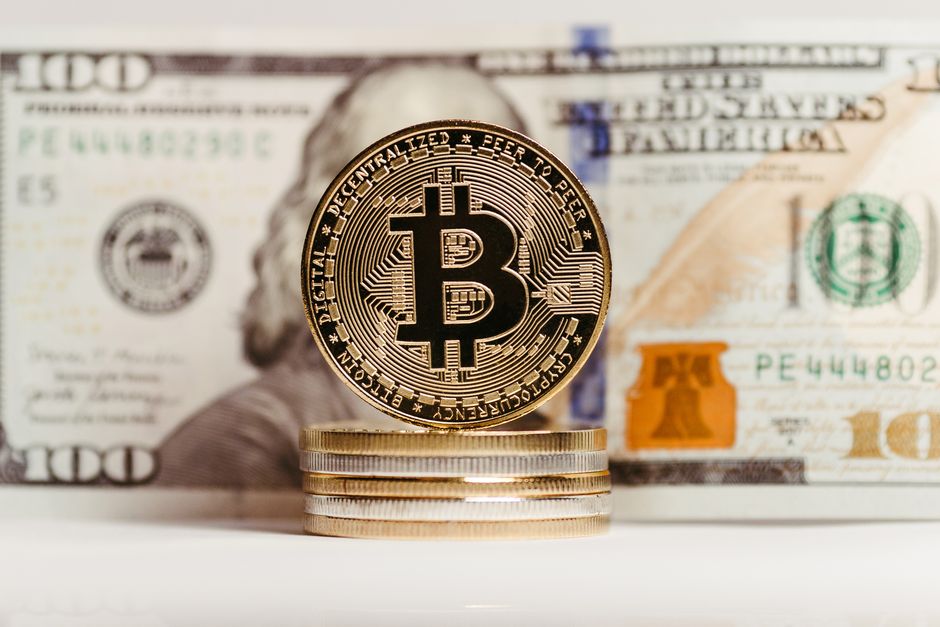
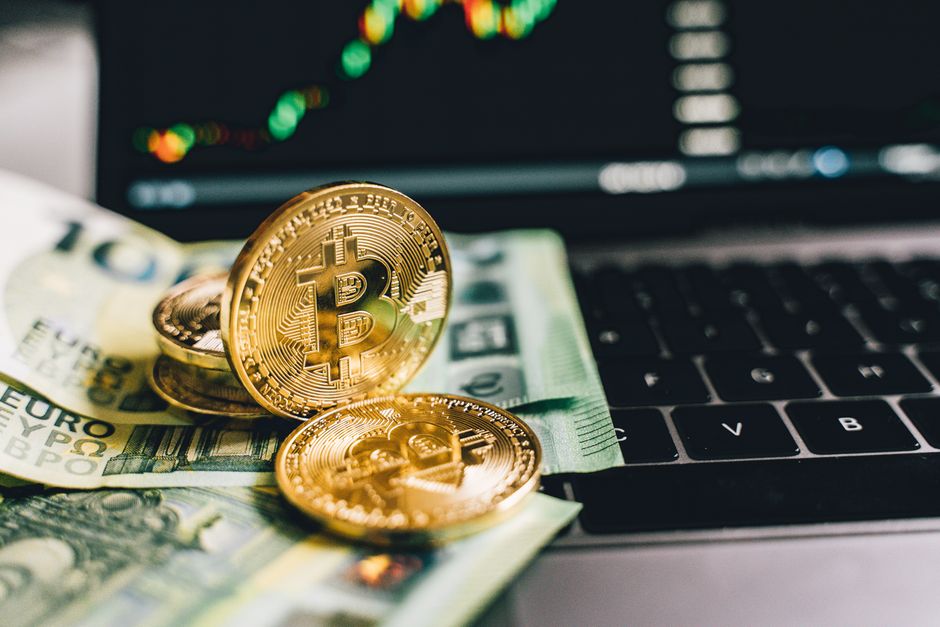
Bitcoin jumped 6.66% to $62,456. That is a significant single-day move for an asset that has been grinding sideways for much of the second quarter. The crypto rally coincided with the equity advance, reinforcing the read that risk appetite returned broadly on Thursday, possibly driven by a jobs or manufacturing data print that came in softer than feared, taking pressure off the Federal Reserve's rate posture. Miami has positioned itself aggressively as a crypto-friendly city since Mayor Francis Suarez began courting blockchain firms in 2021. Several firms that relocated their headquarters to Wynwood and Brickell remain publicly traded or crypto-native, meaning the local economy has an unusual direct exposure to digital asset sentiment that most other American cities do not.
For residents with brokerage accounts rather than just retirement plans, the composition of the rally matters as much as the size. Technology and communication services led the Nasdaq's advance, consistent with continued enthusiasm around artificial intelligence infrastructure spending. Meta Platforms, Nvidia, and Microsoft all carry heavy weighting in the Nasdaq 100 and in most target-date funds. Retirees who rolled 401(k) assets into IRA accounts at Fidelity or Schwab after leaving jobs in Miami's finance or healthcare sectors are more exposed to these mega-cap names than they often realize, because passive index funds have become increasingly concentrated in a handful of stocks at the top of the market cap spectrum.
Mortgage rates are the other variable Miami households are watching. The Federal Reserve has not cut rates yet in 2026, and the 30-year fixed rate remains elevated enough to keep housing turnover near multi-decade lows across Miami-Dade County. Thursday's equity rally and the softer crude print may modestly ease inflationary pressure, but the bond market, specifically the 10-year Treasury yield, is the real lever. If the gold surge reflects genuine inflation anxiety rather than speculative froth, the Fed's path to rate cuts stays narrow, and mortgage relief stays distant for first-time buyers in Hialeah, Coral Gables, and Little Havana who have been priced out of a market where median home prices have barely corrected despite dramatically higher borrowing costs.
The practical takeaway for a Miami household checking its Vanguard or Charles Schwab account this holiday weekend is this: the portfolio probably looks better than it did a week ago, meaningfully so if it holds broad equity index exposure. But the simultaneous surge in gold, the crypto spike, and the oil decline are not a coherent story. They reflect a market that is uncertain about the direction of growth and inflation, and is buying almost everything as a hedge against being wrong. Rebalancing toward your target allocation rather than chasing the strongest performers of the week is the disciplined move. The fireworks are outside, not in your brokerage account.