Gold cracked $4,187 an ounce on Friday, a 4.1 percent single-session jump that pushed the metal to another record and delivered a blunt message to anyone managing money in South Florida: the global market is behaving in ways that simultaneously reward savers, punish borrowers and complicate every assumption built into a household budget. The S&P 500 closed at 7,483, up 1.71 percent, the Nasdaq Composite finished at 25,833, gaining 1.87 percent, and the Dow Jones Industrial Average punched through 52,900, adding 1.89 percent. For the roughly 60 percent of Miami-Dade households that hold equities through 401(k) plans or retail brokerage accounts, that is a genuine windfall on paper. The question is what to do with it.
The short answer for most wage earners in Miami is: almost nothing rash. The city's cost of living has not softened to match portfolio gains. Median asking rents in Brickell and Wynwood remained stubbornly elevated through the second quarter of 2026, and insurance premiums, particularly for homeowners carrying wind and flood coverage through the Florida Citizens Property Insurance Corporation or private carriers, have continued to climb after successive Atlantic storm seasons. A household that saw its S&P 500 index fund pop this week should treat that as a buffer, not a spending trigger.
Oil's Drop Is Real and Already Filtering Into Pump Prices
WTI crude slid to $68.78 a barrel on Friday, off 2.78 percent, and that move matters concretely for Miami commuters. Retail gasoline prices in Miami-Dade have historically tracked WTI with a lag of two to three weeks, meaning drivers filling up along the Palmetto Expressway or heading south on US-1 toward Homestead should see some relief before the end of July. The effect is modest, perhaps 10 to 15 cents per gallon at current spreads, but for a household running two cars, which describes most of Miami's suburban geography, that compounds meaningfully over a month. The same crude price decline is softening airline fuel surcharges, relevant for Miami International Airport's enormous base of frequent fliers who connect to Latin America and Europe.
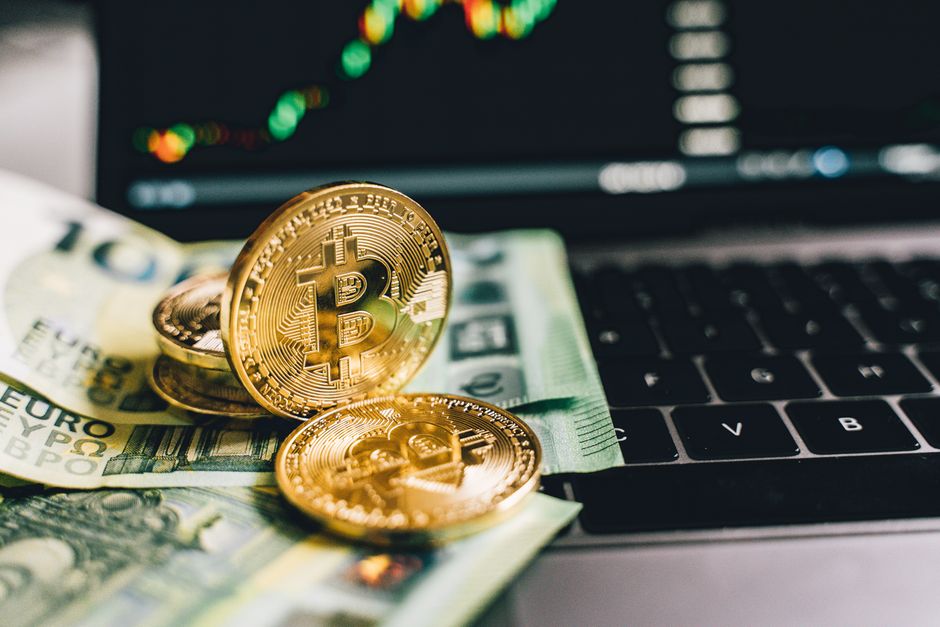
Bitcoin's 6.66 percent surge to $62,456 deserves a sober footnote here. Miami has cultivated a genuine crypto economy since Mayor Francis Suarez championed the city as a digital asset hub beginning in 2021, and a meaningful subset of local entrepreneurs and tech workers carry Bitcoin exposure on their personal balance sheets. Friday's move is not trivial, but $62,456 remains well below the peaks that drove speculative fever in prior cycles. Anyone who rebalanced out of Bitcoin into equities or money-market funds over the past 18 months has, mathematically, fared better than those who stayed concentrated. The lesson holds: single-asset concentration is a risk, not a strategy, regardless of which asset is moving on any given Friday.
For Miami homeowners eyeing a refinance or first-time buyers still circling the market, the macro picture is complicated. Gold's sustained rally to these levels typically signals that bond markets are pricing in persistent inflation or institutional anxiety about currency stability, neither of which argues for a swift drop in the 30-year fixed mortgage rate. Federal Reserve policy has not shifted, and until it does, anyone hoping that this week's equity surge translates into cheaper borrowing will be disappointed. The practical advice from most fee-only financial planners operating in Miami, such as those certified through NAPFA, the National Association of Personal Financial Advisors, is to stress-test a potential mortgage at current rates rather than speculating on where rates might go by year end.
Savings strategy deserves a line of its own. With the Nasdaq up sharply and gold at historic highs, the temptation is to chase performance. The antidote is mechanical discipline. Miami residents with access to a workplace 401(k) should confirm they are capturing any employer match, which is effectively a 50 to 100 percent guaranteed return on that tranche of savings before market returns are even considered. Those using individual brokerage accounts at firms like Fidelity or Charles Schwab should review asset allocation before the third quarter earnings season begins in mid-July, since concentrated positions in any single sector, whether semiconductors, financials or energy, carry outsized risk given the velocity of the moves seen this week alone.
The July 4 holiday gives Miami households a rare pause to reckon with a market that is sending loud and occasionally contradictory signals: buy risk assets, hedge with gold, expect cheaper gasoline but not cheaper mortgages. The families best positioned to navigate that environment are not the ones who move fastest. They are the ones who set a written budget in January, maintained an emergency fund equivalent to three to six months of expenses, and resisted the recurring Miami temptation to treat rising portfolio values as income. Today's snapshot looks flattering. The household balance sheet is the only number that actually pays the rent.